Introduction
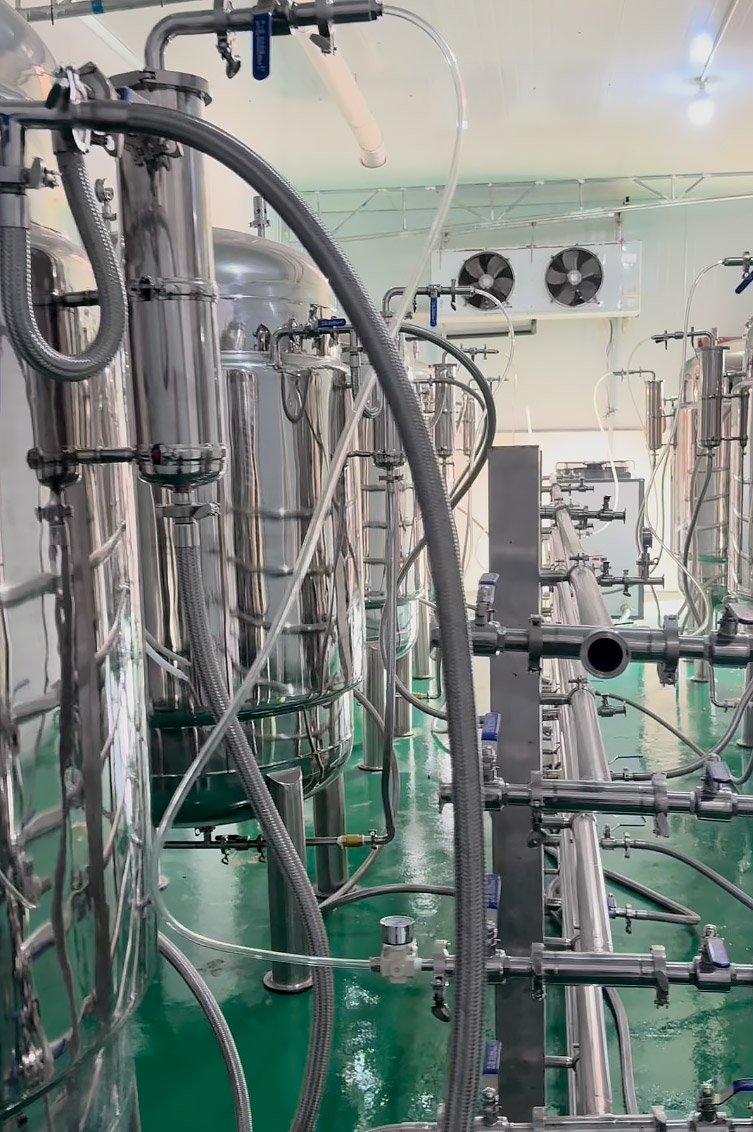
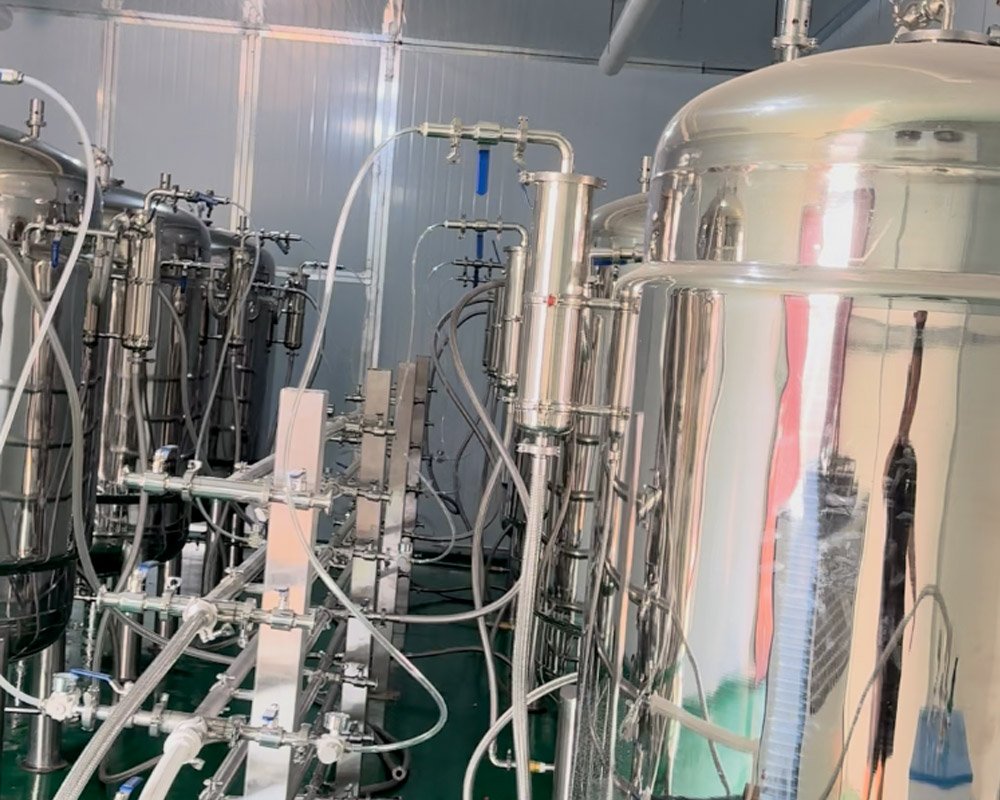
Building a liquid mushroom spawn production line involves more than selecting a fermentation tank with the required capacity. A reliable production system must bring together several equipment groups, including temperature control, aeration, liquid transfer, and downstream inoculation equipment.
Each component performs a different function, but these functions are closely connected during production. For example, the fermentation tank needs a suitable temperature control arrangement, a properly planned air supply system, and a practical method for transferring the finished liquid culture to the next production stage.
If these elements are considered separately, equipment connections, installation requirements, and future expansion may become more complicated than expected.
For this reason, an integrated approach to liquid mushroom spawn system design is important, particularly for small and medium-sized mushroom production facilities planning to establish or upgrade their own liquid culture production capabilities.
This article explains the main considerations involved in planning an integrated liquid mushroom spawn fermentation system, from equipment configuration to installation and commissioning.
1. Understanding the Main Components of a Liquid Spawn Production System
A liquid mushroom spawn production line generally consists of several interconnected functional sections.
The exact configuration depends on the production scale, mushroom species, cultivation requirements, available facilities, and the customer’s production objectives.
The main equipment groups may include:
- Liquid culture preparation and medium handling equipment
- Liquid spawn fermentation tanks
- Temperature control systems
- Compressed air supply and sterilization equipment
- Liquid spawn transfer pipelines and connections
- Inoculation and downstream production equipment
- Supporting utilities and laboratory facilities
These components should not be treated as independent purchases. Their capacities, connections, installation positions, and operating requirements need to be considered together.
For example, the fermentation tank is not only a vessel for holding culture medium. It also serves as the central connection point for temperature control, air supply, and liquid transfer.
A well-planned system begins with understanding how these functions will work together.
2. Temperature Control: Maintaining Suitable Fermentation Conditions
Temperature management is one of the important considerations in liquid mushroom spawn production.
During fermentation, the culture environment needs to be maintained according to the requirements of the selected mushroom species and cultivation process.
In a jacketed fermentation tank, temperature regulation can be achieved through a hot-water circulation arrangement.
The hot water enters the tank jacket rather than directly entering the culture medium. A temperature control system regulates the water temperature to support the required conditions inside the fermentation vessel.
When planning this arrangement, several factors should be considered:
- The structure and configuration of the fermentation tank jacket
- The hot-water supply and circulation arrangement
- The temperature control equipment
- The connection between the tank and the circulation system
- The accessibility of relevant valves and maintenance points
The temperature control system should be considered during the initial equipment layout stage.
This helps ensure that the tank, water circulation connections, and control equipment can be installed in a coordinated manner.
3. Aeration System: Integrating Air Supply with Fermentation Equipment
Air supply is another essential part of a liquid spawn fermentation system.
During liquid culture fermentation, compressed air is introduced into the culture medium through an aeration arrangement. In the equipment configuration discussed here, air enters through the bottom of the fermentation tank.
The air supply system must also incorporate an appropriate sterilization arrangement before air enters the vessel.
This means that aeration planning involves more than simply connecting an air compressor to a fermentation tank.
The overall configuration needs to consider:
- Compressed air supply
- Air sterilization equipment
- Air pipeline connections
- The tank’s air inlet arrangement
- Supporting valves and connection points
- Coordination with the fermentation vessel
The air supply system should be planned together with the tank rather than added as an independent component after the main equipment has been selected.
This is particularly important when considering installation space, pipeline routing, and future maintenance.
Read more: Aeration in Liquid Mushroom Spawn Fermentation
4. Liquid Spawn Transfer: Connecting Fermentation to Inoculation
Once fermentation is completed and the liquid spawn is ready for the next production stage, it needs to be transferred from the fermentation tank to the downstream inoculation equipment.
One possible arrangement is pressure-driven transfer.
In this configuration, pressure inside the fermentation tank provides the driving force for moving liquid spawn through the connected sanitary pipeline.
The transfer arrangement may involve:
- A pressure-capable fermentation vessel
- Suitable liquid outlet connections
- Sanitary transfer hoses or pipelines
- Appropriate valves and connection components
- A connection to the downstream inoculation equipment
The transfer system should be considered during the initial project design.
For example, the position of the fermentation tank can affect the routing and accessibility of the transfer pipeline. The connection between the tank outlet and inoculation equipment also needs to be considered before installation.
Sanitary connections are important because the transfer pathway comes into contact with the liquid culture.
The selected connection arrangement should therefore be compatible with the intended production process and cleaning requirements.
For more information, read our guide to [designing a liquid spawn transfer system].
5. How the Different Systems Work Together
The main challenge in integrated system design is not simply selecting individual equipment. It is making sure that the different functional sections can work together as one production system.
Consider the relationship between three important systems:
Temperature control
The temperature control arrangement supports the required fermentation environment through the tank jacket and hot-water circulation system.
Aeration
The compressed air system supplies air to the fermentation tank through the planned air inlet arrangement.
Liquid transfer
The transfer arrangement allows the finished liquid spawn to move from the fermentation vessel to the next production stage.
These systems have different functions, but they share the same central equipment: the fermentation tank.
This is why tank configuration, connection positions, supporting equipment, and installation layout should be considered together.
A poorly coordinated layout may create unnecessary pipeline complexity, difficult maintenance access, or additional installation work.
An integrated design approach helps reduce these problems before equipment manufacturing and installation begin.
6. Planning Equipment Configuration for Different Production Scales
Not every mushroom production facility requires the same equipment configuration.
A small or medium-sized operation may have different requirements from an established commercial mushroom farm expanding its production capacity.
The appropriate configuration depends on several factors:
Target production capacity
The planned output provides an important starting point for determining fermentation capacity and supporting equipment requirements.
Mushroom species
Different mushroom species may have different liquid culture preparation and fermentation requirements. These should be discussed during the project planning stage.
Existing facilities
Available floor space, electricity, water supply, compressed air, steam or boiler facilities, and laboratory conditions can all influence the final equipment arrangement.
Downstream production method
The liquid spawn transfer system needs to match the intended inoculation process. The requirements may differ depending on whether the liquid culture is transferred to bags, bottles, or another production arrangement.
Future expansion
If production capacity is expected to increase, the initial layout should consider possible equipment additions and connection requirements.
Instead of choosing equipment based only on tank volume, it is better to evaluate the entire production process and determine the configuration accordingly.
7. From System Design to Installation and Commissioning
Equipment integration does not end when all the machines have been manufactured and delivered.
A complete liquid mushroom spawn project also involves installation, connection, commissioning, and technical support.
A typical project development process may include the following stages:
Stage 1: Project requirement assessment
Understand the customer’s mushroom species, production objectives, target capacity, available facilities, and existing production arrangements.
Stage 2: System planning
Develop an equipment configuration based on the project requirements. Consider fermentation tanks, temperature control, air supply, transfer arrangements, and downstream connections.
Stage 3: Equipment manufacturing and preparation
Arrange the required equipment and supporting components according to the confirmed project configuration.
Stage 4: Installation and connection
Install the equipment and coordinate the connections between the different functional sections.
Stage 5: System commissioning
Check the equipment connections and supporting systems, and carry out the necessary commissioning work.
Stage 6: Technical guidance and after-sales support
Provide technical guidance according to the agreed project scope and help the customer address issues encountered during the production process.
The specific scope of each project may vary, but considering these stages together helps customers understand what is involved in establishing a complete production system.
8. Why Integrated Planning Matters
Purchasing individual machines does not automatically create a complete production line.
A fermentation tank may have the required capacity, but the overall system can still face difficulties if the air supply, temperature control, transfer connections, or installation layout have not been properly considered.
Integrated planning helps address several important issues:
- Compatibility between the main equipment and supporting systems
- Practical pipeline routing and equipment positioning
- Coordination between fermentation and inoculation stages
- Accessibility for operation and maintenance
- Consideration of future production expansion
For customers establishing a new liquid spawn facility, these considerations are particularly important because equipment selection and installation decisions made at the beginning can affect the entire production process.
The goal is not simply to supply more equipment. It is to develop a configuration that matches the customer’s actual production requirements.
9. Complete Liquid Mushroom Spawn Production Line Solutions
At Haoqintech, we focus on supporting customers who are planning or developing liquid mushroom spawn production projects.
Our project approach covers more than individual fermentation equipment. We can assist with overall system planning, equipment configuration, project coordination, installation, commissioning, technical guidance, and after-sales support.
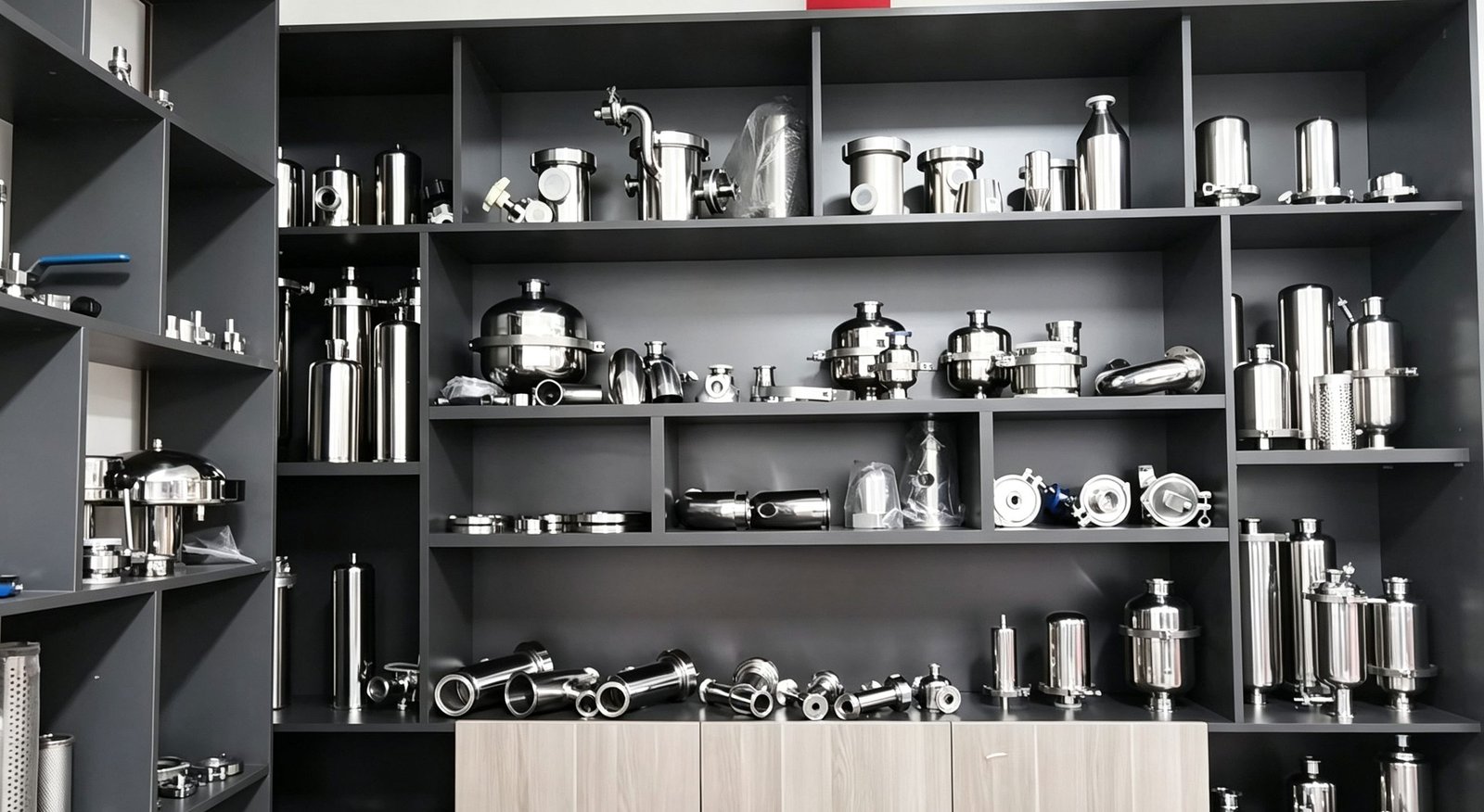
Depending on the project requirements, the proposed configuration may include fermentation tanks, temperature control systems, compressed air arrangements, liquid transfer equipment, and supporting production facilities.
We work with customers to understand their production objectives before determining the appropriate equipment arrangement.
Whether you are establishing a new liquid spawn production facility or upgrading an existing operation, a coordinated project plan can help make equipment selection and implementation more practical.
Conclusion
An integrated liquid mushroom spawn fermentation system requires careful coordination between fermentation equipment, temperature control, aeration, liquid transfer, and downstream inoculation.
Each component has its own function, but the overall performance of the production system depends on how these components are configured and connected.
By considering equipment compatibility, installation layout, production capacity, and future expansion from the beginning, mushroom producers can develop a more practical production system.
The most effective approach is to plan the complete production process first and select equipment according to the actual project requirements.
Planning a liquid mushroom spawn production line?
Frequently Asked Questions
1. What equipment is needed for a liquid mushroom spawn production line?
A typical system may include liquid culture preparation equipment, fermentation tanks, temperature control equipment, compressed air and sterilization systems, liquid transfer arrangements, and downstream inoculation equipment. The exact configuration depends on the production scale and process requirements.
2. Why should temperature control and aeration be planned together with the fermentation tank?
Both systems connect directly to the fermentation vessel and influence its overall configuration. Planning them together helps coordinate equipment connections, installation space, and maintenance access.
3. How is liquid mushroom spawn transferred after fermentation?
One possible method is pressure-driven transfer, where pressure inside the fermentation tank moves the liquid culture through a sanitary pipeline to downstream inoculation equipment. The final arrangement depends on the project configuration.
4. Can a liquid spawn production system be customized?
Yes. Equipment configuration can be planned according to the customer’s target production capacity, mushroom species, available facilities, and downstream production requirements.
5. Does Haoqintech provide installation and technical support?
Haoqintech can provide project support covering system planning, equipment configuration, installation, commissioning, technical guidance, and after-sales service, according to the agreed project scope.