Installing a liquid mushroom spawn production system involves more than positioning fermentation tanks and connecting process pipes. Before commissioning begins, the equipment, utility connections, piping arrangements, and supporting systems need to be checked to ensure they are ready for operation.
For a new production facility, problems discovered during installation can lead to delays during commissioning. A structured pre-commissioning inspection helps identify connection errors, incomplete installation work, and potential operating issues before the system enters its trial-run stage.
This guide explains the main points to verify when installing a liquid mushroom spawn production system.
1. Check Equipment Positioning and Installation
The first step is to confirm that each piece of equipment has been installed according to the approved project layout.
The equipment arrangement should be reviewed against the planned liquid mushroom spawn production layout to ensure that installation conditions match the intended workflow.
For fermentation tanks and supporting equipment, check:
- Whether the equipment is positioned in the correct location.
- Whether support legs and foundations provide stable support.
- Whether sufficient space is available for operation and maintenance.
- Whether manholes, inspection ports, valves, and instrument connections are accessible.
- Whether the equipment can be safely accessed for cleaning and routine inspection.
The arrangement should also allow operators to move between different process areas without obstructing equipment access or material handling.
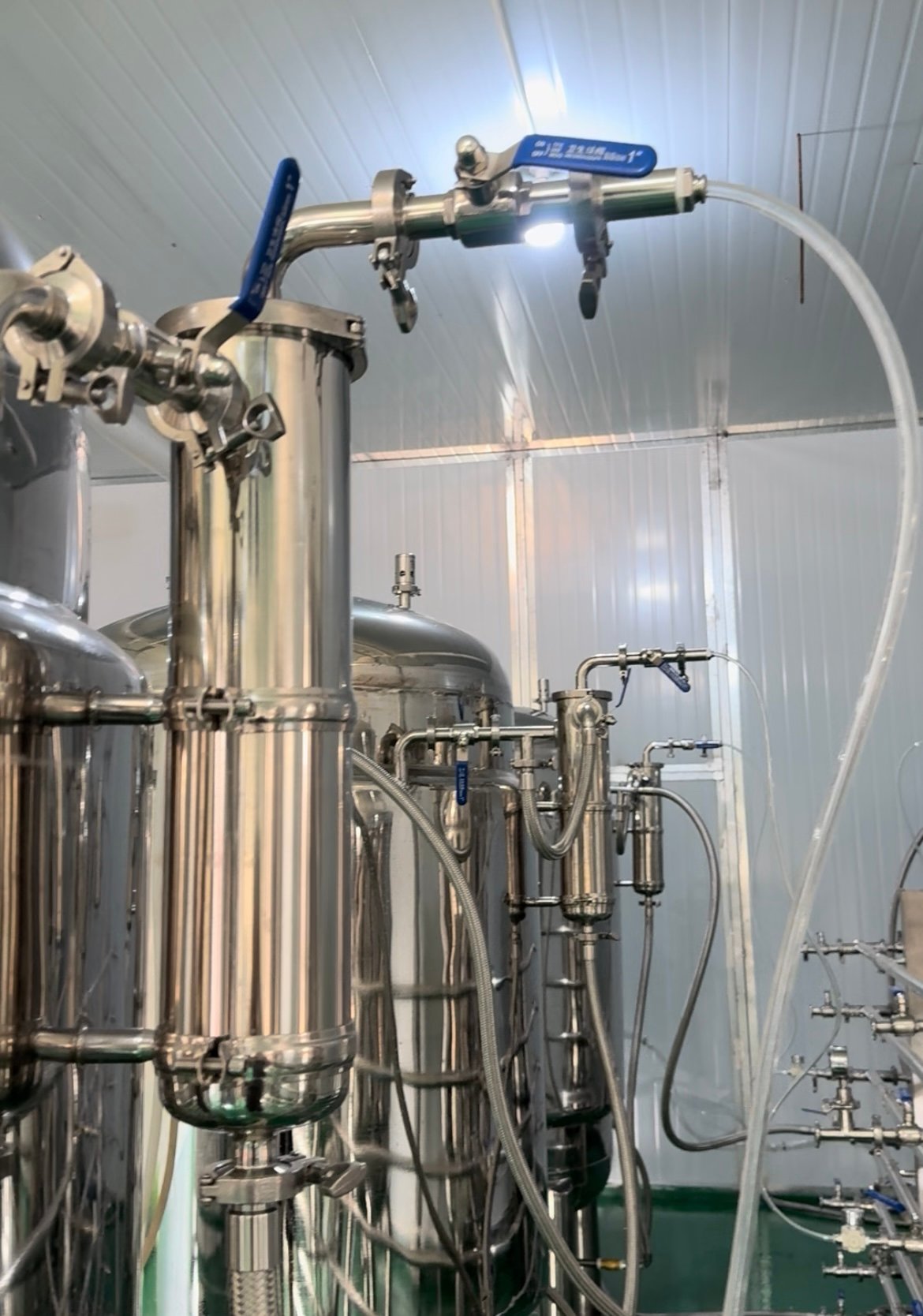
2. Inspect Process Piping and Sanitary Connections
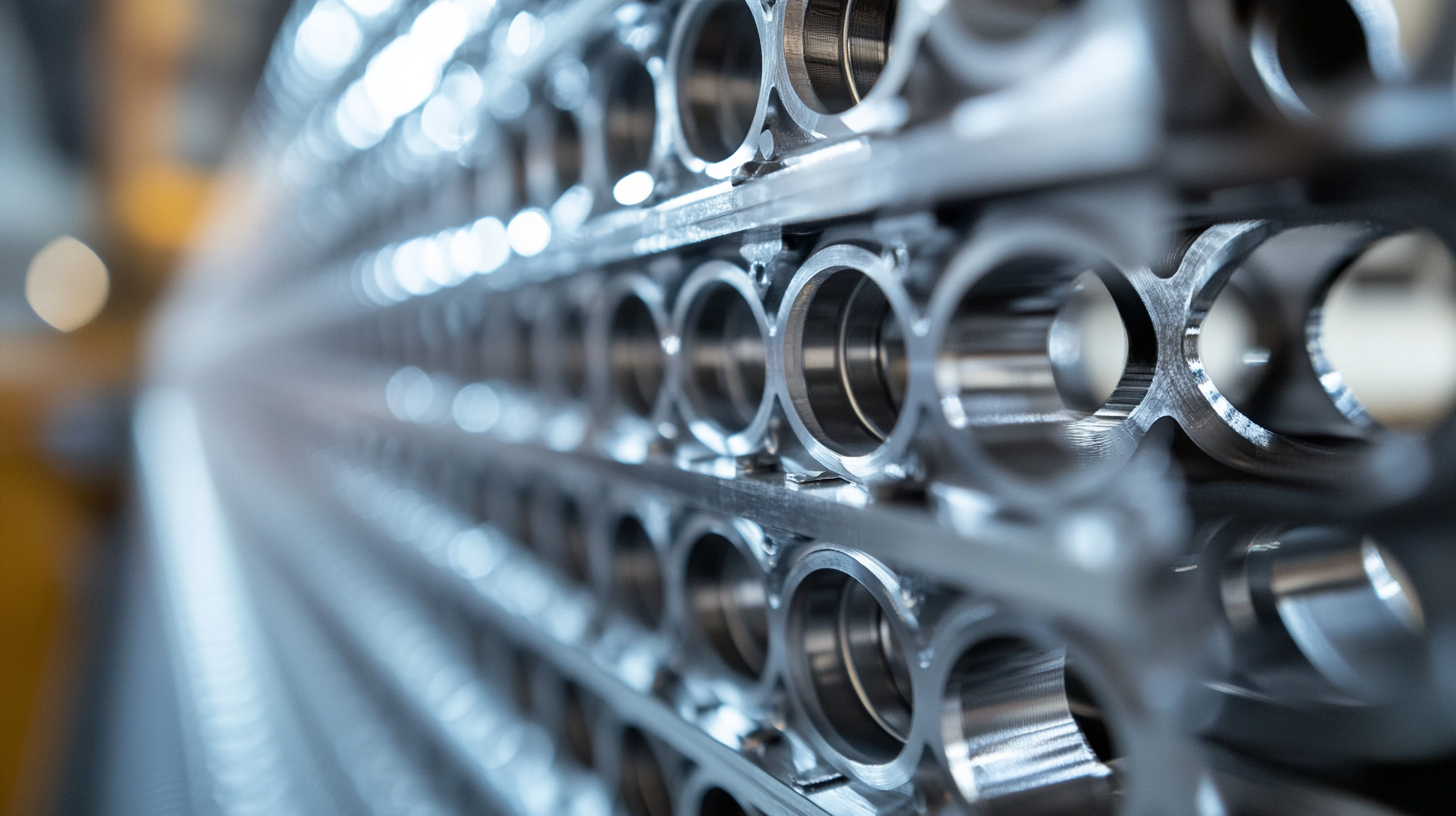
Process piping connects the fermentation tanks, transfer equipment, filters, and other components into one operating system.
Before commissioning, inspect the piping installation carefully.
Important checks include:
- Whether pipe connections match the approved piping arrangement.
- Whether clamps, gaskets, fittings, and valves are correctly installed.
- Whether pipe supports are properly positioned.
- Whether there is unnecessary stress on equipment connections.
- Whether drain points and low sections have been considered.
- Whether the piping can be accessed for inspection and maintenance.
Pay particular attention to connections around tank outlets, transfer lines, and filtration units.
Incorrectly installed connections or poorly supported pipes may create difficulties during operation and maintenance.
3. Verify Electrical Connections and Control Instruments
The electrical and control systems should be checked before individual equipment is powered on.
Depending on the system configuration, this may include:
- Main power supply and electrical distribution.
- Motor and pump connections.
- Temperature sensors and control instruments.
- Pressure gauges and pressure monitoring points.
- Control cabinets and operating interfaces.
- Emergency stop devices and electrical protection.
Temperature sensors should be installed at their designated positions, and instrument readings should be checked against suitable reference measurements where required.
The control system should also be reviewed to confirm that the relevant equipment and instruments correspond to the intended operating sequence.
Electrical inspections and testing should be performed by qualified personnel.
4. Check Compressed Air and Sterile Air Supply
Compressed air may be used for pneumatic operations, process aeration, or other functions depending on the system design.
For liquid mushroom spawn fermentation, the air supply arrangement deserves particular attention because air quality and delivery conditions can affect process operation.
Check the following:
- Whether the compressor is connected correctly.
- Whether air-treatment equipment is installed in the intended sequence.
- Whether sterile air filtration components are correctly connected.
- Whether the air pipeline is properly supported.
- Whether pressure monitoring points are available.
- Whether the air supply can meet the requirements specified in the equipment design.
Where sterile air is required, the filtration arrangement and sterilization method should be verified according to the process requirements. A correctly installed filter housing alone does not establish that the complete sterile-air system is validated.
For a closer look at air preparation and filtration requirements, see our guide to compressed air treatment and sterile filtration.
5. Verify Water, Steam and Heating Connections
Water, steam, or hot-water systems may be required for media preparation, sterilization, tank heating, and other supporting operations.
The exact arrangement depends on the project.
Before commissioning, verify:
- Whether water supply connections are complete.
- Whether steam or boiler connections match the equipment requirements.
- Whether heating and cooling connections are correctly identified.
- Whether valves can isolate individual equipment sections.
- Whether drainage arrangements are available.
- Whether insulation and other protective measures are completed where required.
For fermentation tanks equipped with jacket heating, the inlet and outlet connections should be checked against the designed heating arrangement.
The heating system should also be reviewed to ensure that temperature control can be performed as intended.
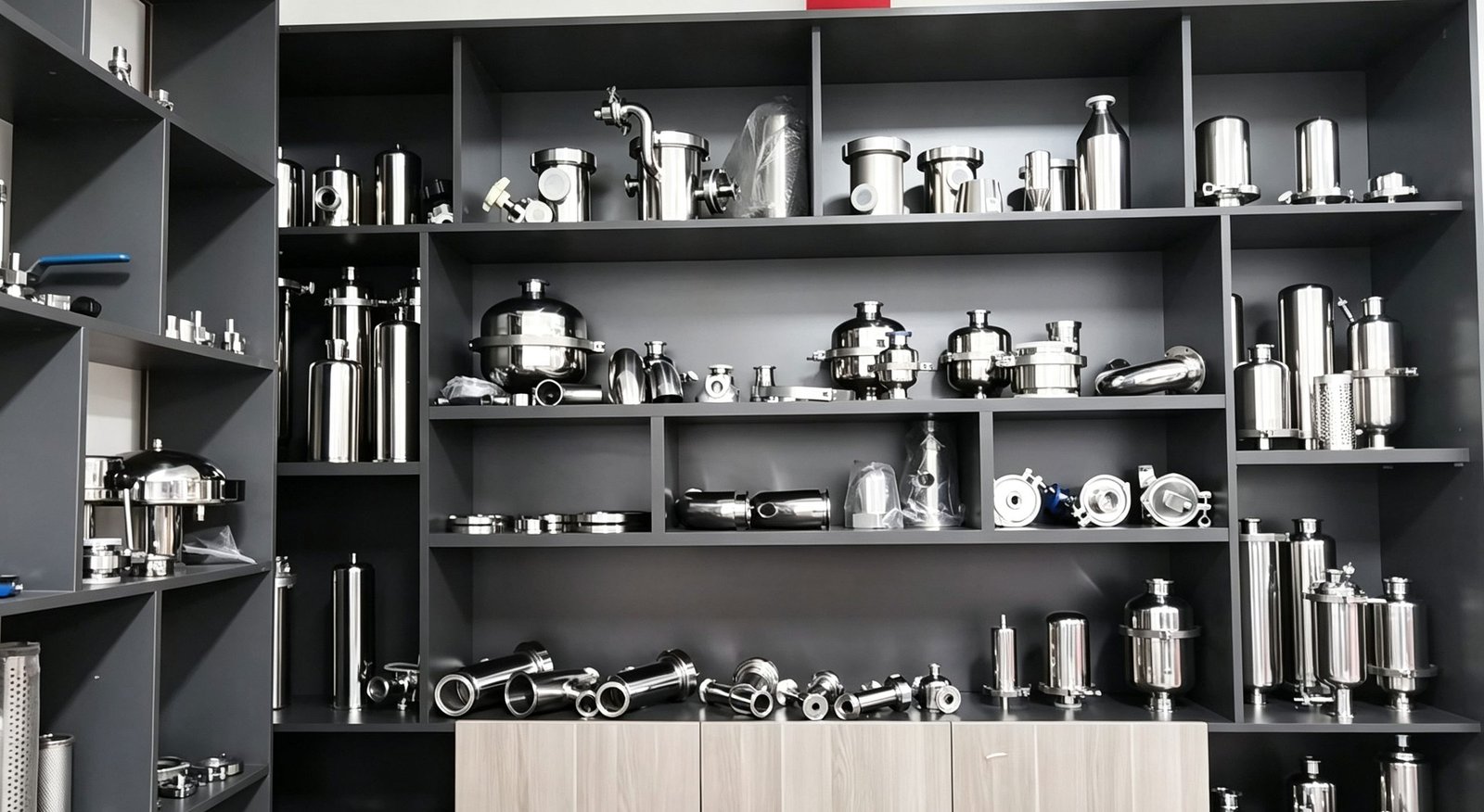
6. Inspect Filters, Valves and Other Supporting Components
Small components can have a significant effect on the operation of the complete production system.
Before commissioning, check the installation of:
- Sanitary filters and strainers.
- Tank breather filters.
- Sterile-air filter housings.
- Sanitary valves.
- Pressure gauges.
- Sight glasses.
- Sampling and drainage connections.
Confirm that the components are installed in the correct direction where flow direction matters, and that their connection sizes and pressure ratings are appropriate for the application.
Filter housings should also be accessible for cartridge replacement or cleaning.
For components that require regular maintenance, sufficient operating space should be reserved during installation.
7. Complete Pre-Commissioning Checks Before Trial Operation
After installation, individual systems should be inspected before the complete production line is operated.
A typical pre-commissioning review may include:
| Inspection Item | What to Verify |
|---|---|
| Equipment installation | Position, stability and accessibility |
| Process piping | Connections, supports and drainage |
| Electrical system | Power supply and electrical protection |
| Instruments | Installation and basic signal readings |
| Compressed air | Connections, pressure and filtration arrangement |
| Heating system | Utility connections and control arrangement |
| Valves and filters | Installation direction and accessibility |
| Safety | Emergency stops and protective measures |
The actual inspection scope should follow the equipment documentation, project specifications, and applicable safety requirements.
Any incomplete installation work or identified issue should be addressed before proceeding.
8. Move from Installation to Commissioning and Operator Training
Once the installation checks have been completed, the project can move toward commissioning.
The relationship between individual equipment units and the complete production process is also important. Learn more about our integrated liquid mushroom spawn fermentation system.
Commissioning normally involves more than switching on the equipment. Individual units need to be checked, operating functions tested, and the interaction between connected systems verified.
Depending on the project, this may include:
- Individual equipment function checks.
- Temperature control testing.
- Compressed air supply checks.
- Liquid transfer testing.
- Valve operation and process routing checks.
- System coordination and trial runs.
- Review of operating procedures.
Operator training should also be included in the project handover.
Operators need to understand the normal operating sequence, equipment functions, daily inspection points, basic maintenance requirements, and how to respond to common operating abnormalities.
Biological process validation and successful mushroom culture production are separate stages that require their own process-specific evaluation.
Conclusion
A successful liquid mushroom spawn production line installation depends on the coordination of equipment, process piping, utilities, instruments, and supporting systems.
Checking these elements before commissioning helps reduce avoidable installation problems and provides a more organized transition from equipment installation to trial operation.
Haoqintech supports liquid mushroom spawn production projects through system planning, equipment configuration, installation, commissioning, technical guidance, and after-sales support.
From individual fermentation equipment to an integrated production system, the installation and operating requirements should be considered together from the beginning of the project.