Liquid Spawn Fermentation Systems
Process design from real mushroom plants. Sanitary stainless components we manufacture in-house.
What was the reason for the founding of Haoqintech?
Haoqintech did not start as a fittings catalogue. Our team spent years on liquid-spawn plants — sterile air, steam, CIP spray patterns, and the fittings that actually hold on a fermenter. After those projects, the same question kept coming back: where do we buy parts that match the drawing? This page is the answer: we still design liquid-spawn lines, and we make the sanitary stainless components those lines run on.
The Rise and Development of Liquid Spawn Technology
Edible mushroom liquid spawn offers distinct advantages, including short cultivation periods, fast inoculation speeds, and low production costs. Once inoculated onto the substrate, the spawn germinates rapidly, colonizes the material quickly, exhibits strong contamination resistance, accelerates growth, shortens the incubation period, and delivers high yields. Furthermore, potential contamination in liquid spawn can be detected easily and rapidly using microscopic examination.
Research into liquid fermentation for edible-mushroom spawn began in the 1960s and entered commercial plants in the 1980s. It is now used by industrial growers worldwide. Haoqintech’s team has spent years on these lines — from sterile air and steam to the fittings on the vessel — and now designs liquid-spawn systems using sanitary stainless components we manufacture in-house.
How the System Works
The liquid spawn fermentor we engineer features steam sterilization in place (SIP) and a water-circulation jacket to hold a stable culture temperature. Liquid spawn is transferred to the inoculator through sanitary pipe. The skid includes the vessel, steam sterilization, sterile-air filtration, temperature control, and inoculation.
1. Vessel
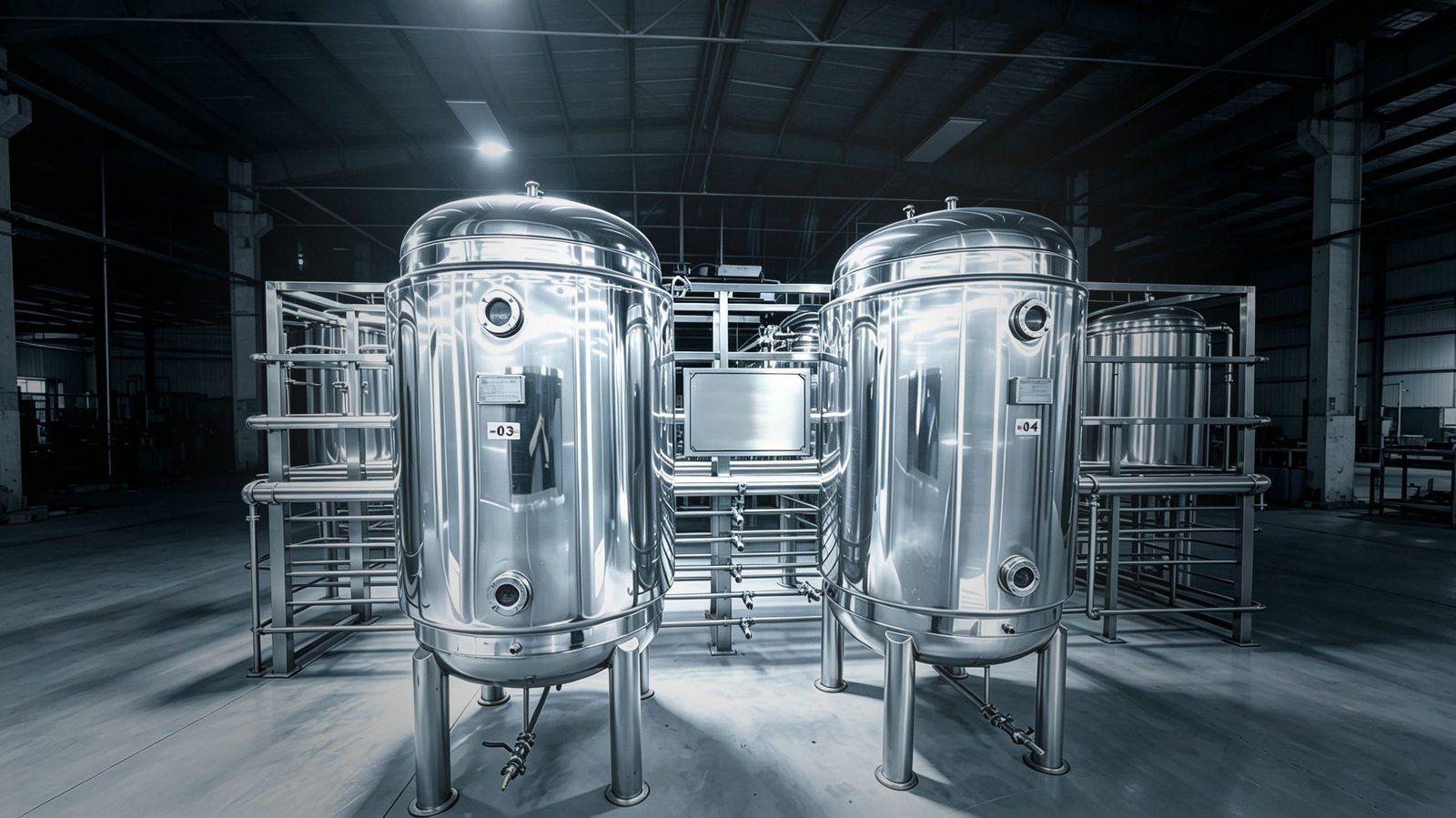
The nominal volumes of the fermentor vessel are 800L and 700L (other volumes can be customized upon client request). The main body is constructed of 304 stainless steel, with all welds being strong, clean, and aesthetically pleasing. The design pressure is 0.3 MPa, and the actual working pressure is 0.09 MPa. The vessel undergoes high-pressure steam sterilization in place (SIP) and features a cooling jacket design with a large cooling area, enabling rapid cooling. A sight glass is installed on the vessel for observing mycelial growth.
2. Sterilization System
The fermentor is sterilized using high-pressure steam through two available methods: connecting directly to steam produced by the plant’s boiler, or equipping a standalone electric steam boiler. If the site and steam piping can be easily modified to feed steam to the fermentor, the plant boiler steam can be directly used. If site modifications are not feasible or cost-prohibitive, a standalone electric steam boiler is equipped directly.
3. Air Filtration System
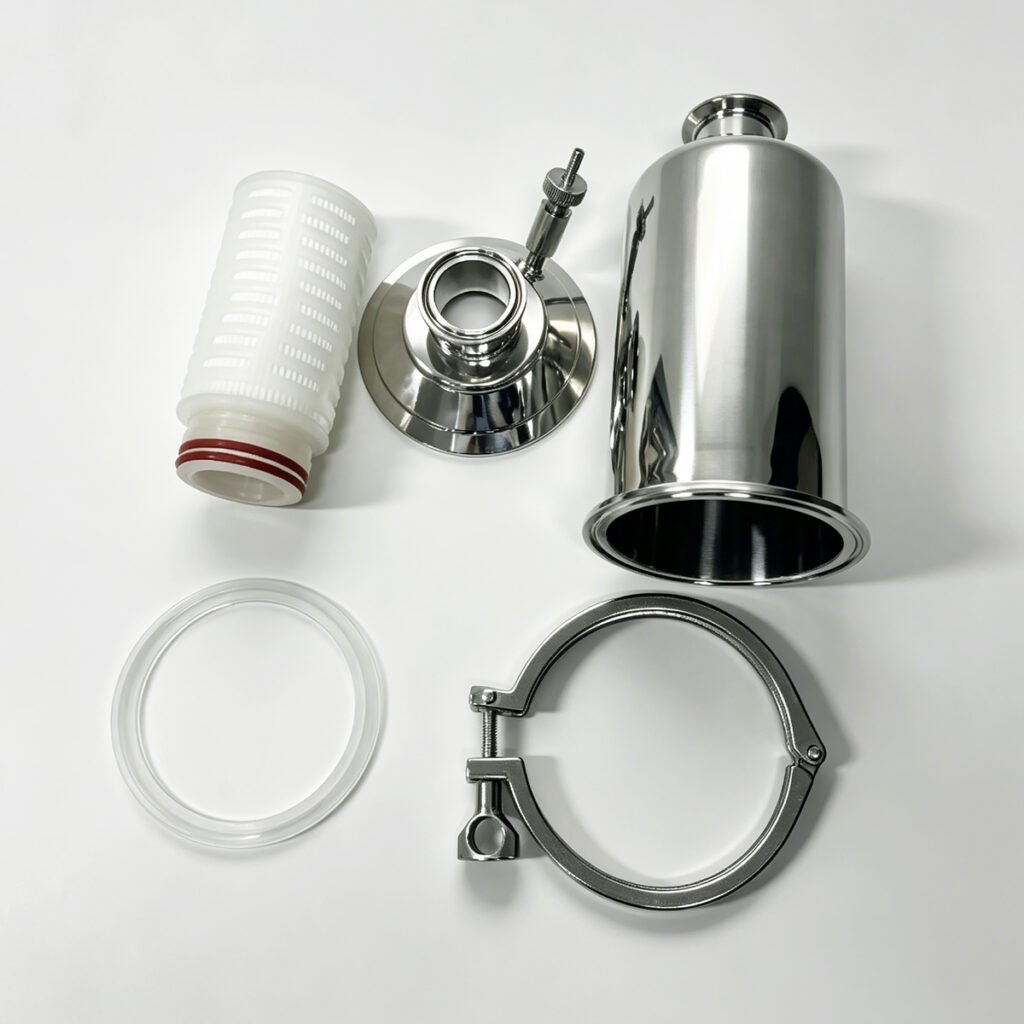
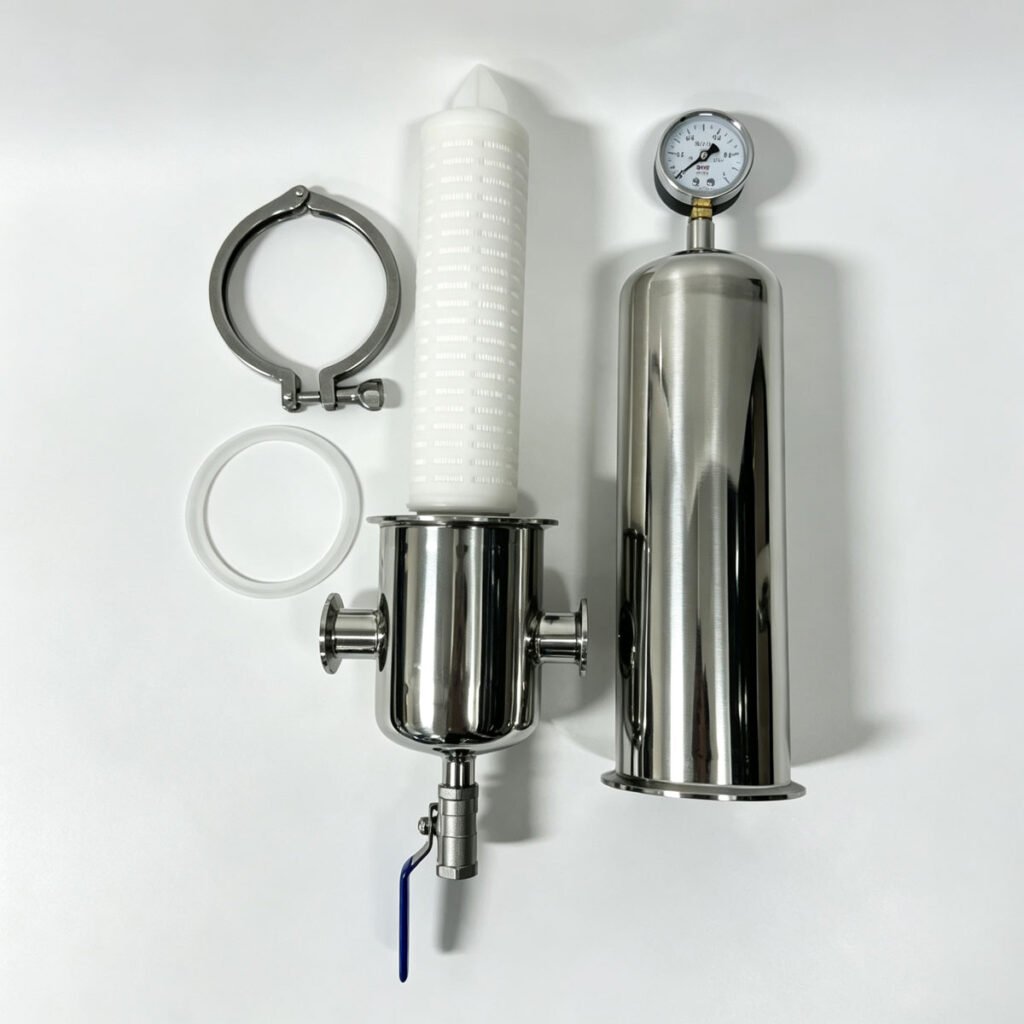
The air filtration system primarily filters out dust, foreign bacteria, and other impurities from the air, supplying the essential pure air required for the spawn during the cultivation process. The integrated air filter employs membrane filtration to remove bacteria and fine debris from the air, achieving a filtration efficiency of up to 99.99%.
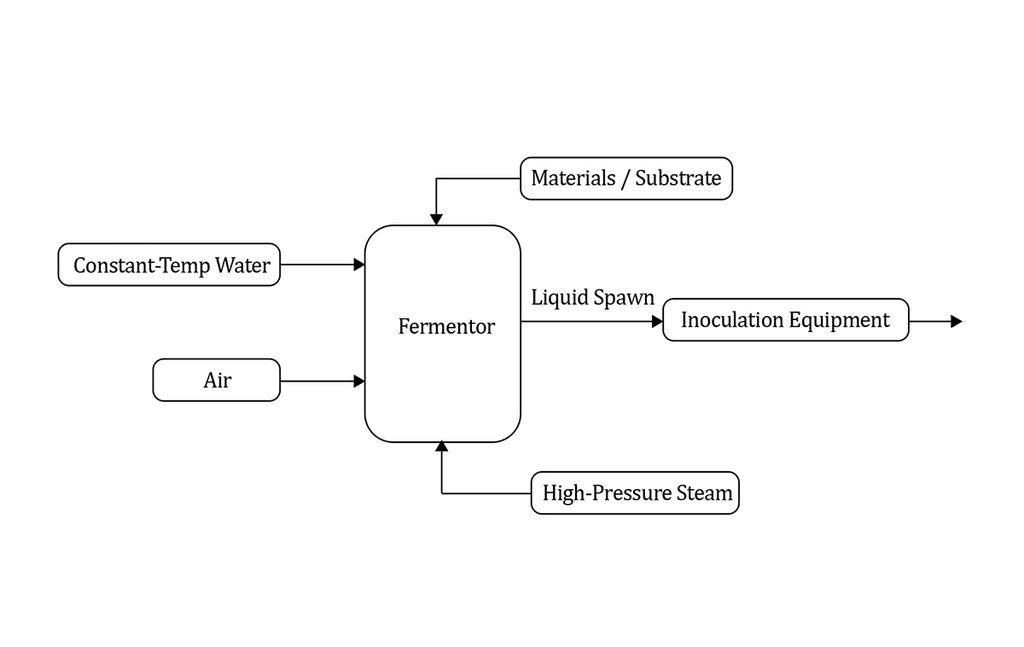
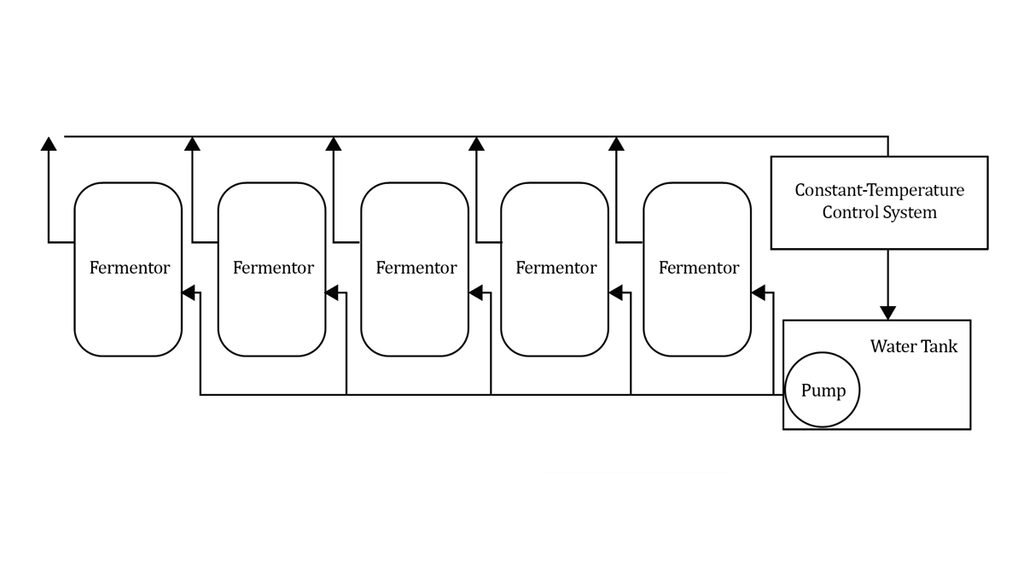
4. Constant-Temperature Control System
The fermentor adopts a jacketed design that maintains a constant spawn cultivation temperature through water circulation. The specific process flow is shown in the diagram below:
5. Inoculation System
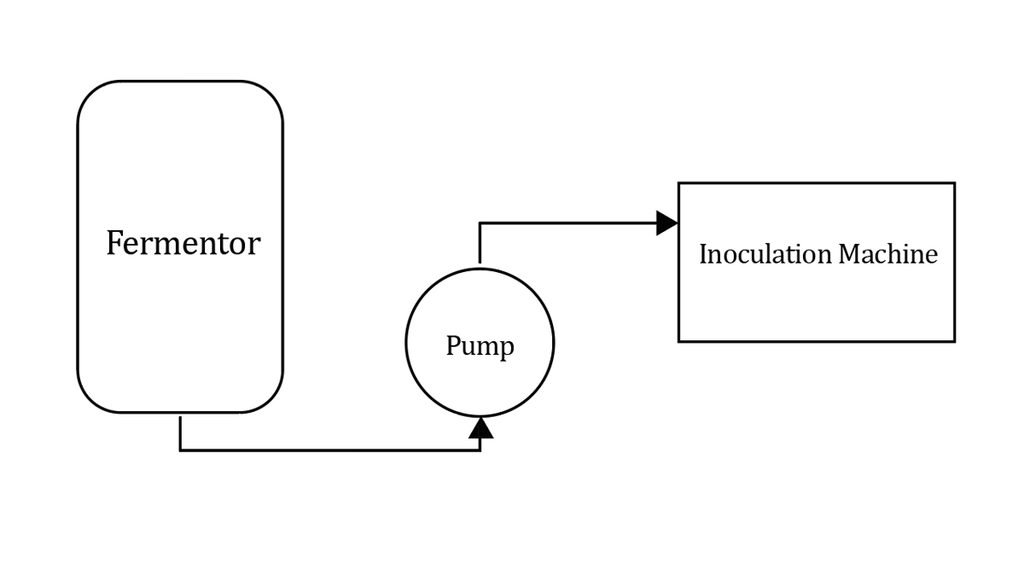
Once the spawn cultivation is complete, the air pressure inside the fermentor is increased to transfer the liquid spawn through silicone tubing into the inoculation equipment. The inoculation process flow is shown in the diagram below:
What You Get
Our products highlight reliability, simplicity, practicality, low cost, and exceptional cost-performance ratio. The specific features are as follows:
1. Simple and Reliable Operation The fermentor utilizes sterilization in place (SIP), eliminating the need for dedicated sterilization of pipelines, valves, or air filters. The culture medium also requires no special pretreatment.
2. Low Environmental Requirements The system is designed to operate without requiring a dedicated high-class cleanroom under the applicable process conditions. Actual facility requirements depend on the production process and local regulations.
3. Low Spawn Production Cost
4. Low Operating Cost The filter cartridge on the vessel only needs to be replaced once a year.
5. Short Cultivation Cycle The spawn cultivation period is approximately 6~12 days.
6. High Safety Factor Working pressure stays below 0.1 MPa, in the low-pressure range, with SIP in place.
7.Advanced Sampling Method Spawn is sampled with a closed method that avoids introducing contaminants back into the vessel.
8. Testing Before Inoculation Each batch is checked by microscopy and plate culture before inoculation, so mild contamination is not missed.
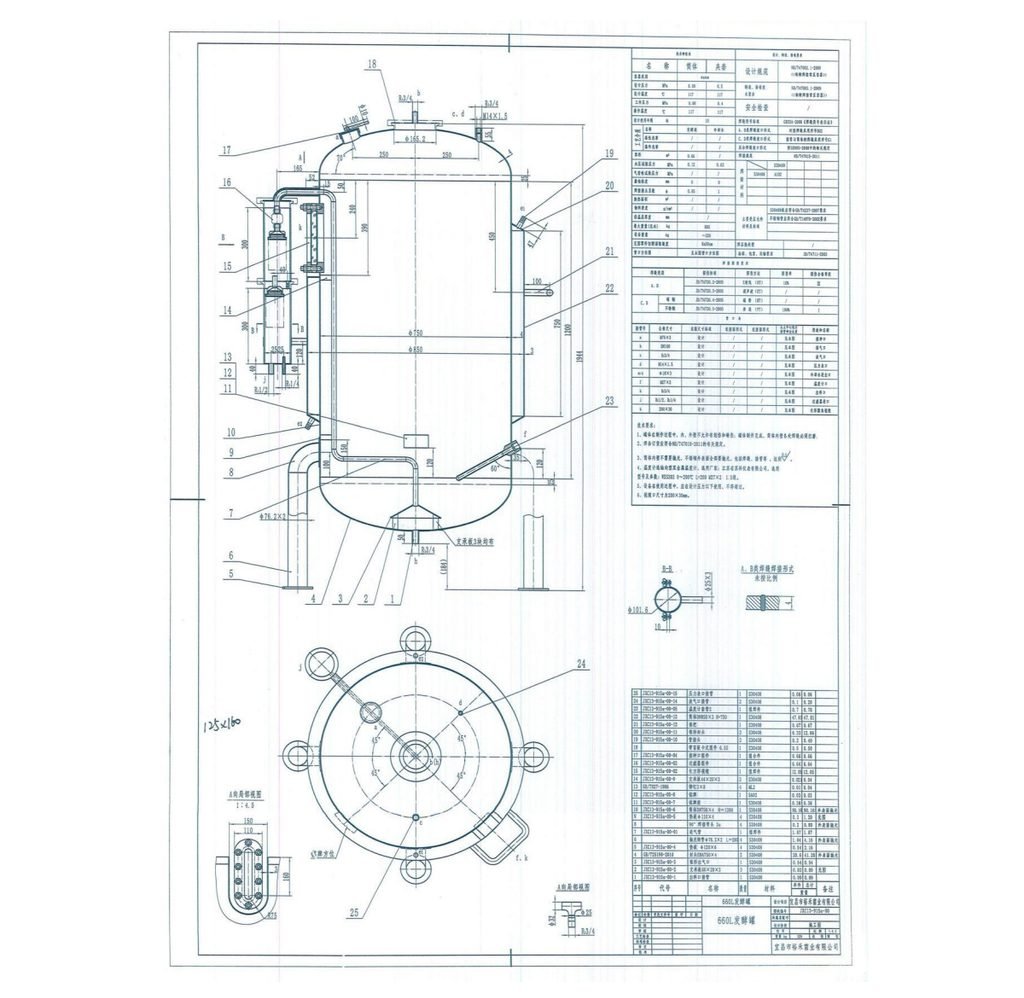
Liquid Spawn Fermentation Tank Details
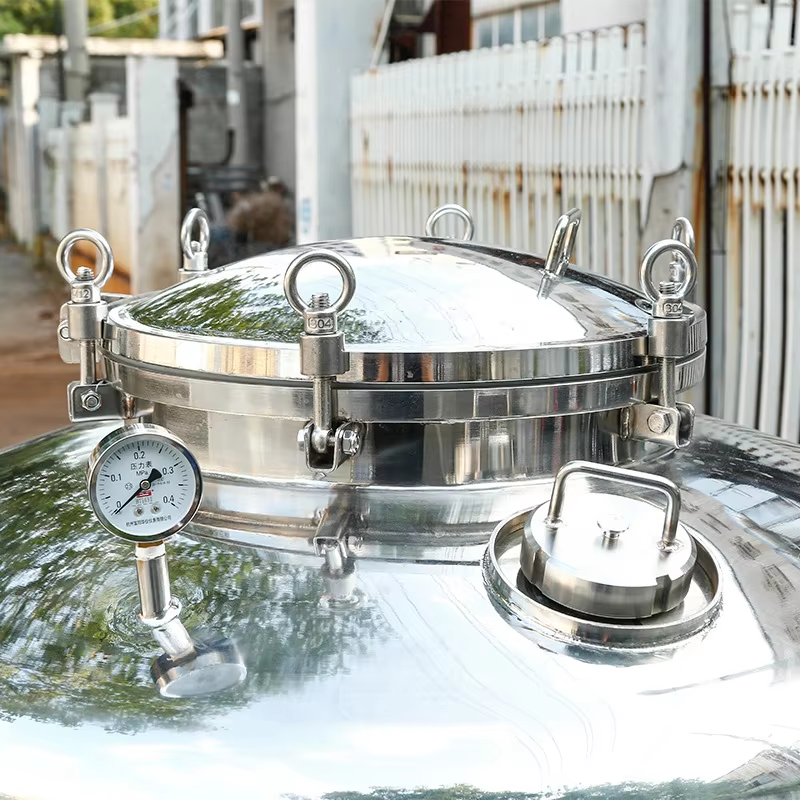
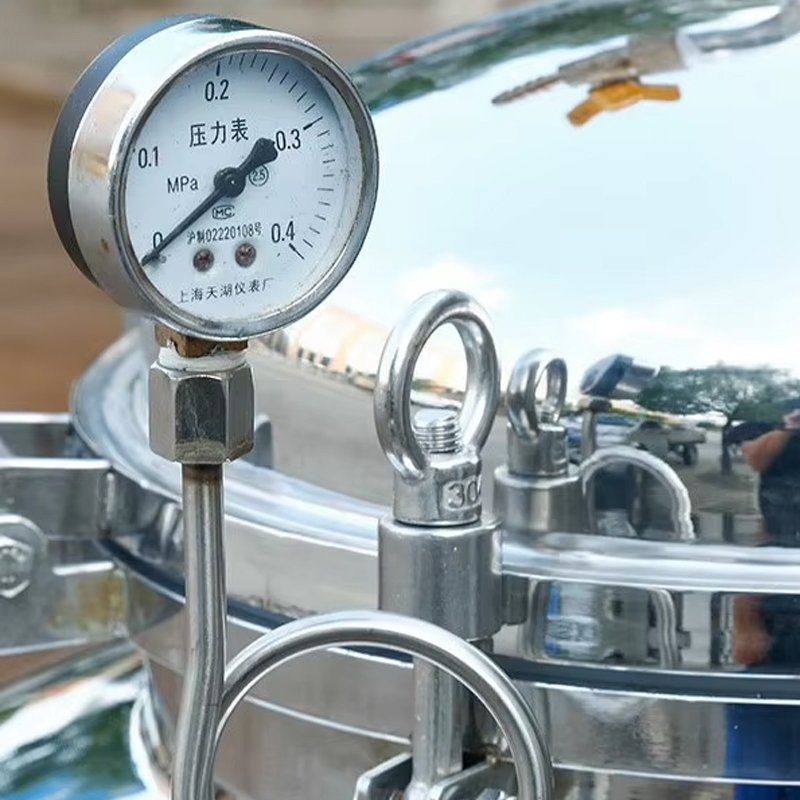
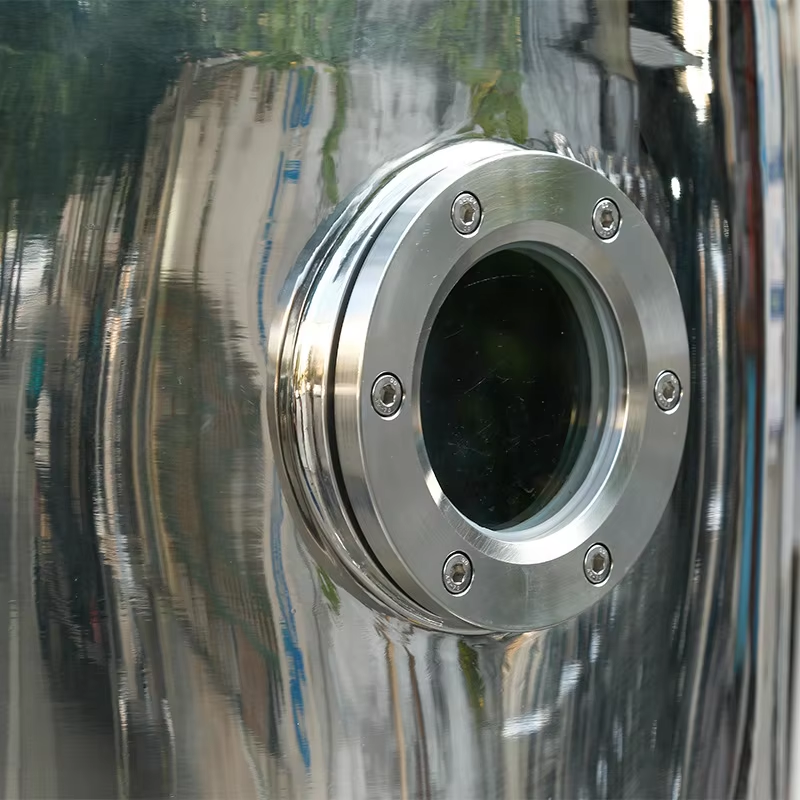
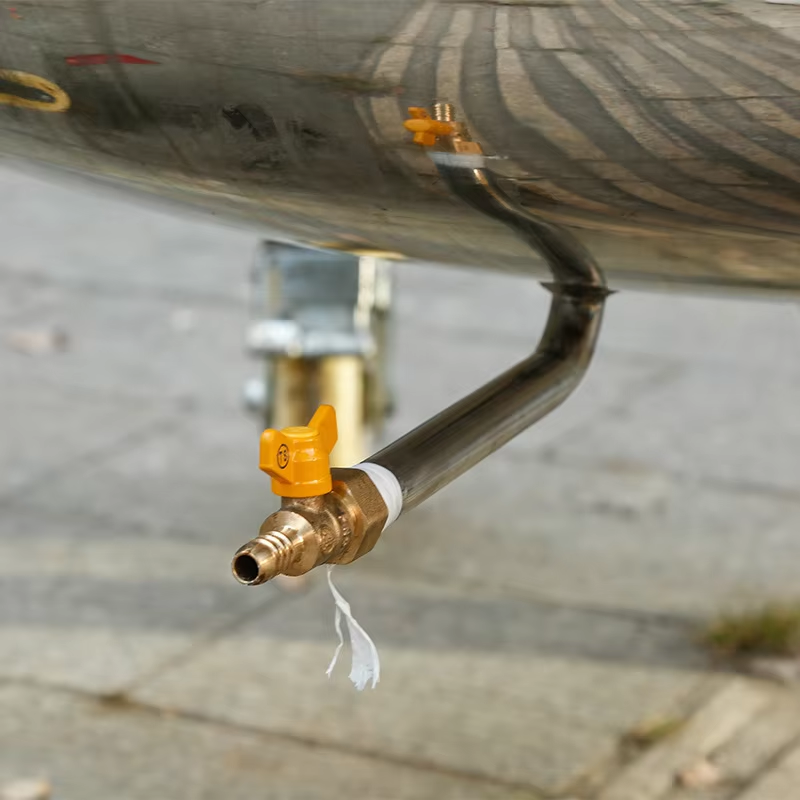
| Fermentor Vessel | Working pressure below 0.1 MPa, non-high-pressure vessel, safer to operate; main body made of 304 stainless steel, corrosion-resistant with a longer service life; features a cooling jacket with a large cooling area and rapid cooling rate after sterilization, preventing caramelization and destruction of nutrients caused by prolonged high temperatures; large-diameter cleaning port for fast, convenient cleaning and water saving; equipped with a sight glass for better observation of mycelial growth; dual temperature monitoring ports for precise vessel temperature control; 1 inlet, 1 exhaust port, and 1 discharge port; 4 wear-resistant casters; internal polishing precision Ra 0.4 (smooth with no dead zones, ensuring thorough sterilization and cleaning); external polishing precision Ra 0.6, with strong, neat, and aesthetically pleasing welds; minimal switch/connector joints across the entire vessel to prevent dirt accumulation. Aspect Ratio (H:D): 1 : 2–2.5 Loading Factor: 70%–80% Inoculation Dosage: 30 mL × 11,000 bags / 400L vessel Filter: Filtration precision 0.01 μm, sterilization rate 99.99%, safe and reliable; independent in-situ sterilization without disassembly, ultra-long service life. |
| Sterile Air Treatment System | Screw air compressor, post-precision filter, adsorption dryer, and refrigerated dryer to ensure air quality. |
| Fermentor Constant-Temp Cultivation Control System | Heating & cooling constant-temperature control system. |
FAQ
The purpose of a Reliable Quality Mushroom Liquid Culture Fermentation Tank is to provide a controlled and sterile environment for the fermentation of mushroom liquid culture, which is used for the efficient production of high-quality mushroom spawn.
Main Functions:
- Create optimal conditions (temperature, aeration, and agitation) for rapid and healthy mycelial growth in liquid form.
- Produce active liquid spawn that can be directly used for inoculation in commercial cultivation.
- Support large-scale, consistent, and low-contamination spawn production compared to traditional solid spawn methods.
- Serve both industrial mushroom farms and research laboratories that require reliable liquid culture systems.
In short, the tank is designed to turn mushroom cultures into high-quality liquid spawn in a clean, efficient, and repeatable way.
Using a Mushroom Liquid Spawn Tank allows for efficient and consistent production of high-quality mushroom spawn, which is essential for modern mushroom cultivation. Compared with traditional solid spawn methods, it offers several clear advantages:
Key Benefits:
- Faster Production Cycle
Liquid spawn can be produced in 6–12 days, significantly shorter than the 45–60 days typically required for solid spawn. - Higher Efficiency & Lower Labor Costs
Inoculation speed is 5–10 times faster, reducing manual work by 50–75%. - Better Consistency and Uniformity
Mycelium grows evenly in liquid form, resulting in more uniform colonization and more consistent fruiting. - Lower Contamination Risk
The closed, sanitary system with sterile air filtration and easy CIP cleaning greatly reduces the chance of contamination. Quality can also be quickly checked under a microscope. - Cost Savings at Scale
Lower spawn cost per bag and faster turnaround improve overall profitability, especially for commercial and factory-scale operations. - Higher Spawn Activity
Liquid spawn usually shows stronger vitality and faster colonization after inoculation.
These benefits make liquid spawn systems particularly valuable for commercial growers, large farms, and research facilities looking to improve productivity and product quality.
The Mushroom Fermentation Tank is equipped with precise temperature, agitation, and aeration controls, ensuring that the fermentation process is carried out under optimal and stable conditions for consistent, reliable quality.
Some common applications of a reliable quality Mushroom Liquid Culture Fermentation Tank include:
- Commercial mushroom cultivation – Large-scale production of liquid spawn for farms and factory-style growing facilities to improve efficiency, reduce contamination, and lower labor costs.
- Research laboratories – Used by universities, research institutes, and R&D centers for studying mycelial growth, optimizing culture media, and developing new strains.
- Agricultural facilities and demonstration centers – Supporting agricultural extension programs, training centers, and pilot production projects.
- Medicinal mushroom production – Cultivation of liquid cultures for species such as Reishi, Cordyceps, and Lion’s Mane.
- Spawn production companies – Professional producers who supply high-quality liquid or solid spawn to growers.
The tank’s sanitary design, precise temperature and aeration control, and easy cleaning make it suitable for both industrial production and scientific research environments.
Yes, the Mushroom Liquid Spawn Tank is highly versatile and can be used for a wide variety of mushroom cultures. It is suitable for both edible and medicinal mushrooms, offering excellent flexibility for different cultivation needs.
Proper maintenance of a Mushroom Fermenter Tank includes regular cleaning, sanitization, and calibration of temperature and agitation controls to ensure optimal performance and long-term reliability.
Project Experience
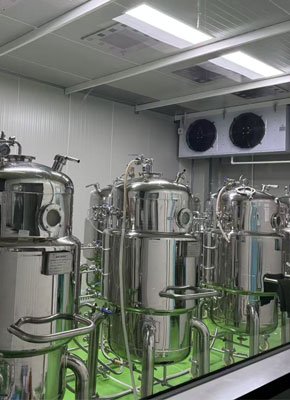
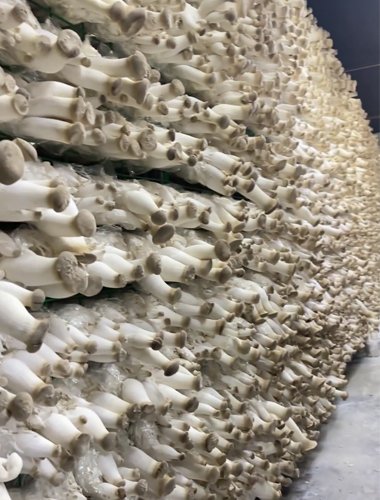
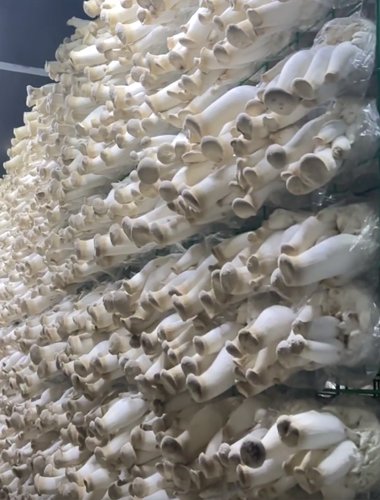
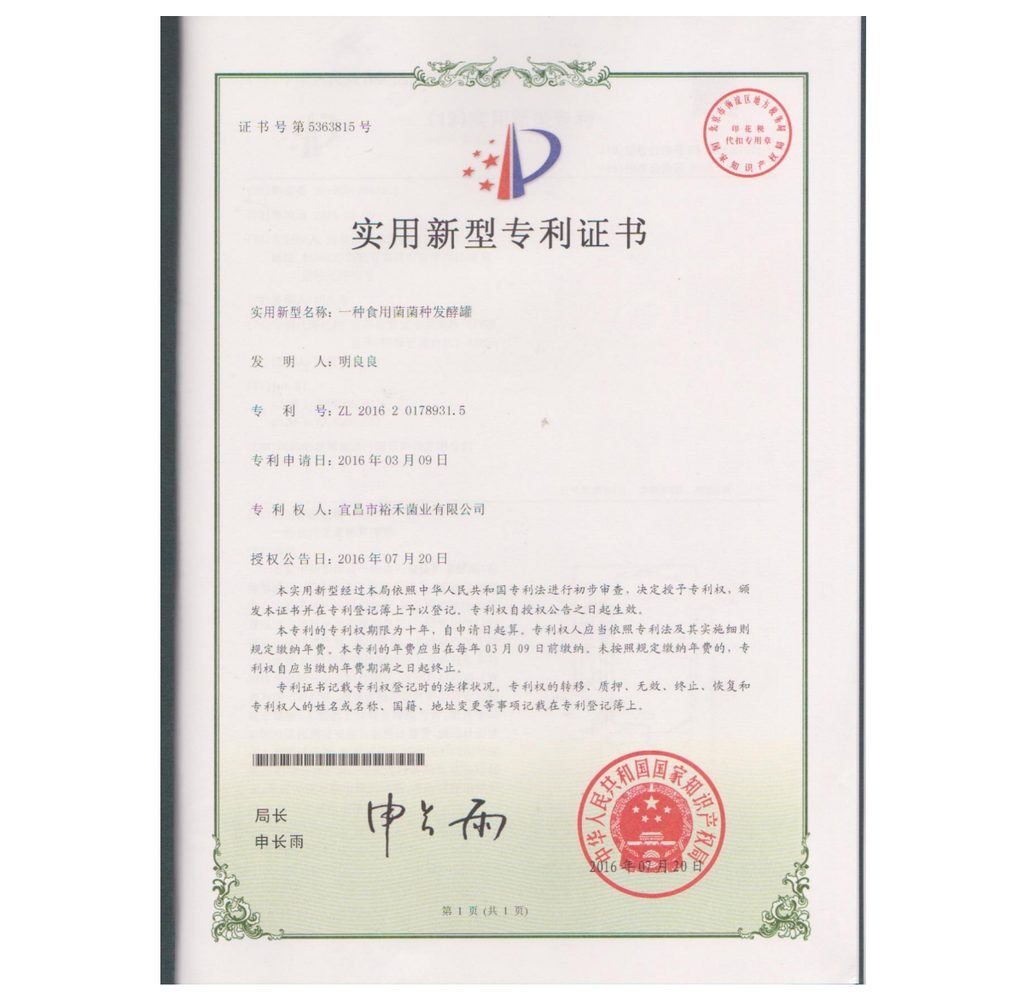
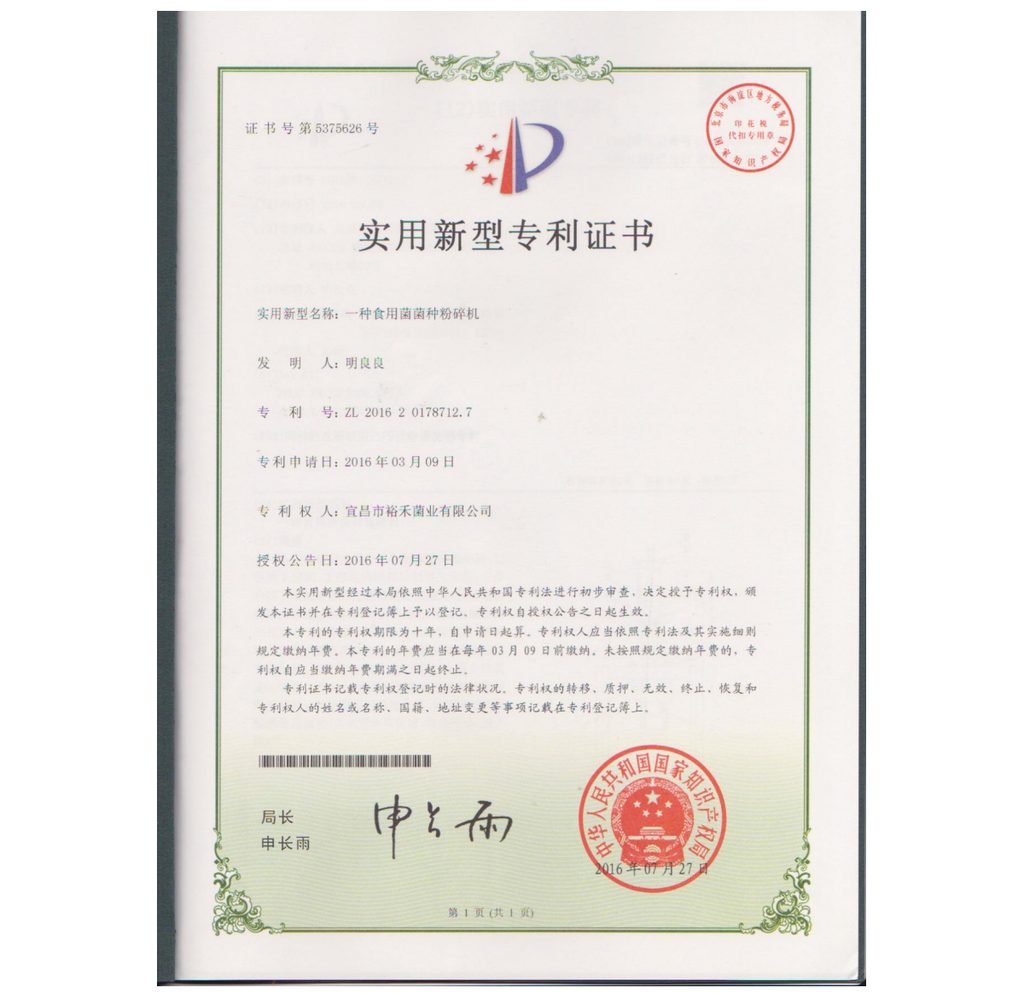
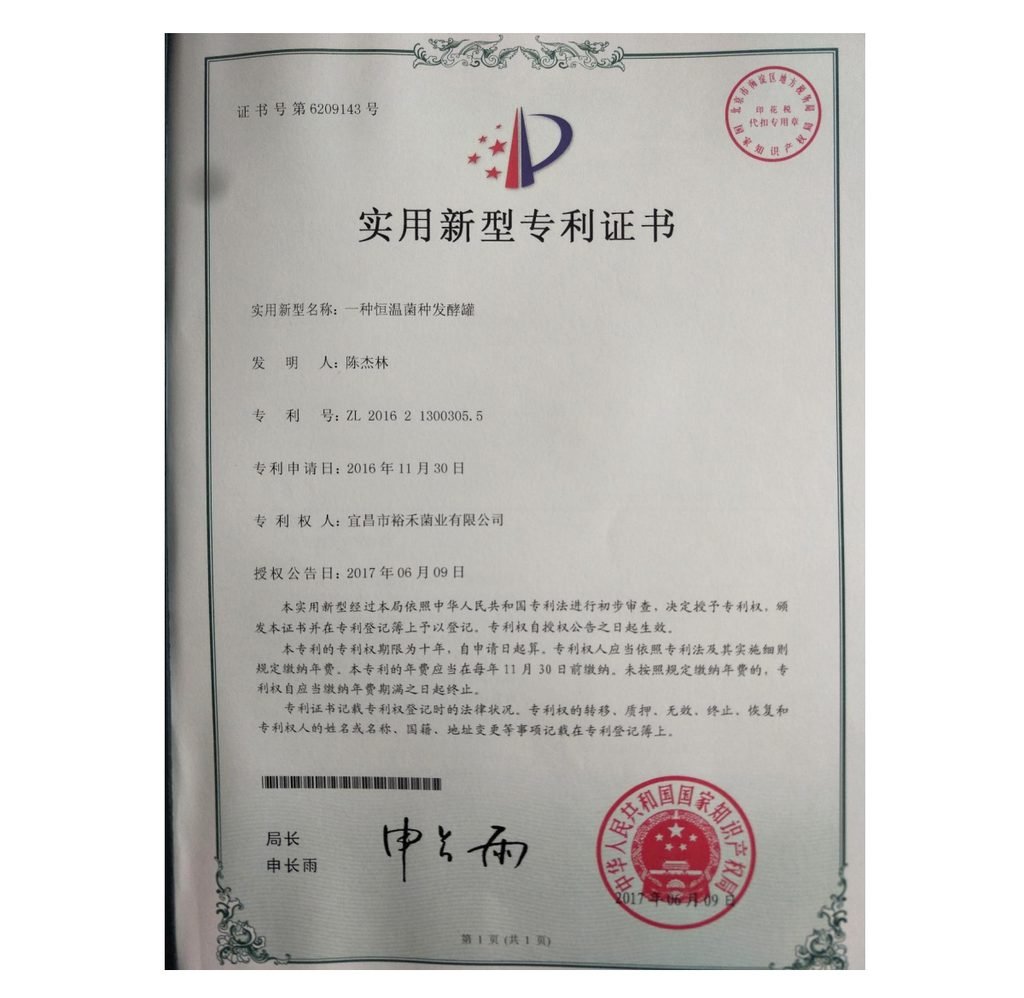
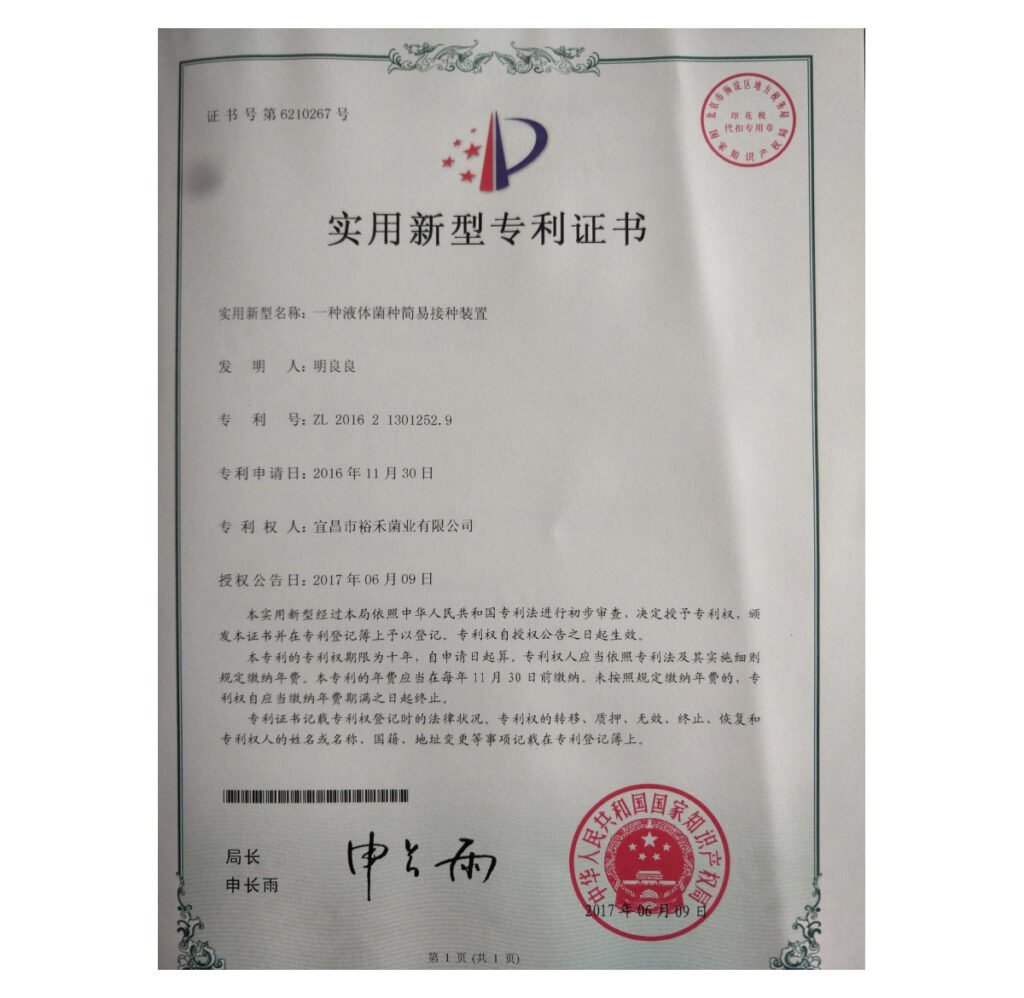
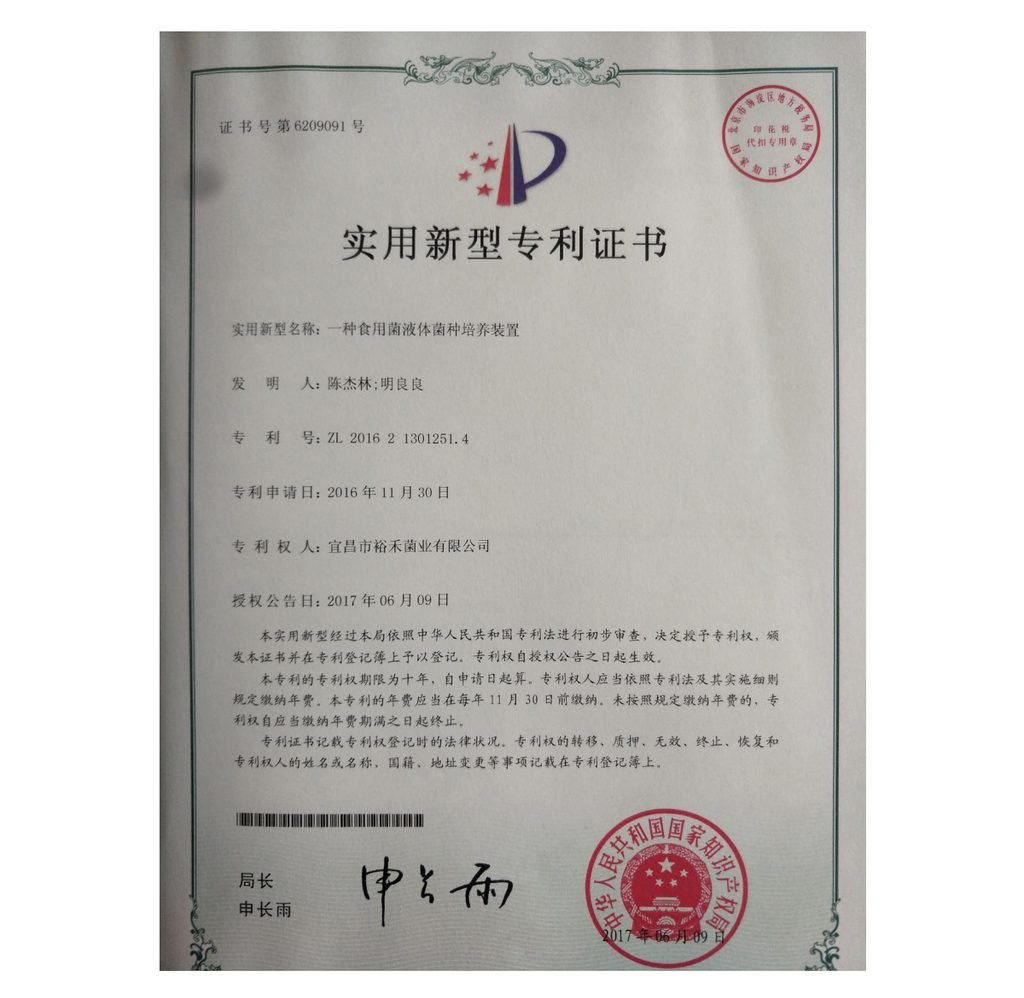
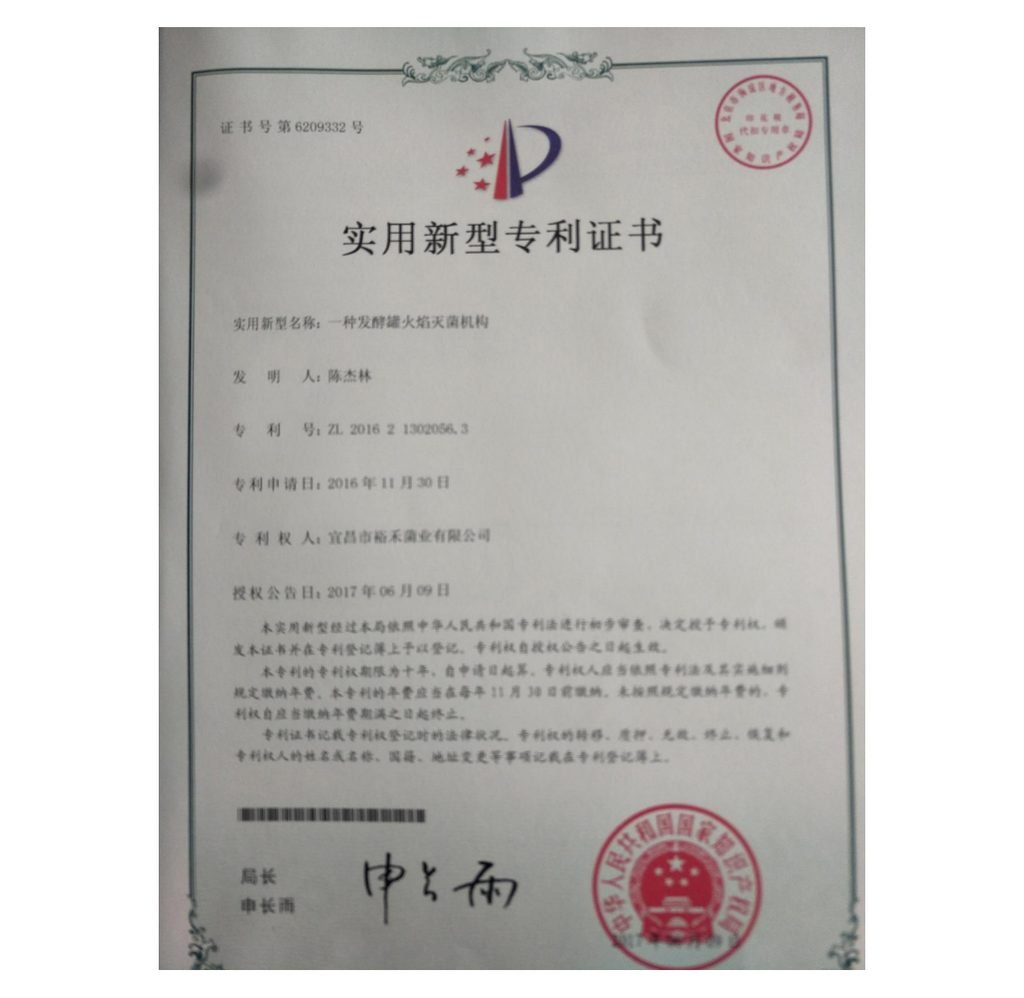
Certificate of Patent
Yichang Yuhe Fungi Co., Ltd. (an affiliate of Haoqintech)
Related Equipment