Temperature control is an important part of liquid mushroom spawn production. During fermentation, the temperature of the culture environment needs to remain within a suitable range for the selected mushroom strain and production process.
For this reason, a fermentation system needs more than a tank with a heating function. The temperature-control arrangement, heat-transfer method, circulation system, and production requirements should all be considered together.
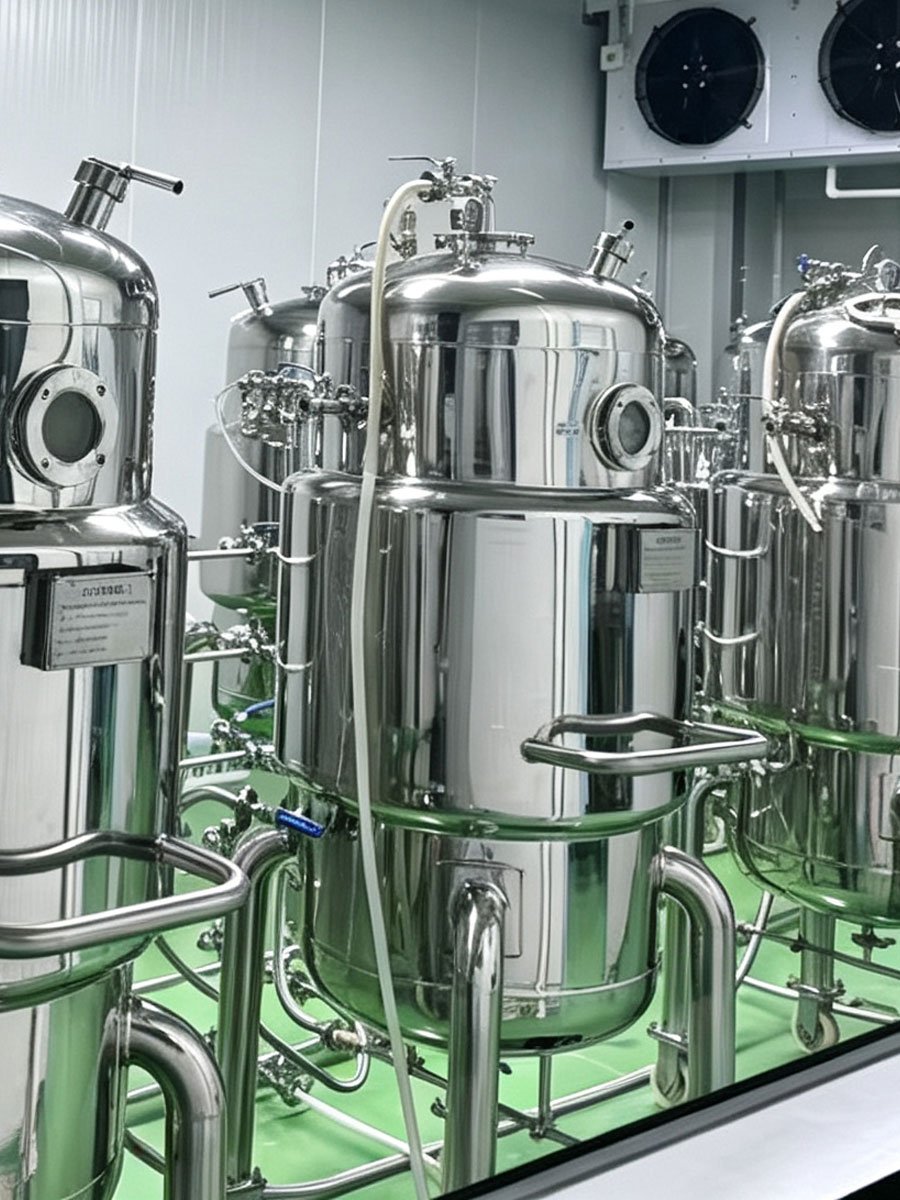
One commonly used approach is a jacketed fermentation tank connected to a hot water circulation system. This arrangement allows heat to be transferred through the tank wall without introducing heating water directly into the culture medium.
In this article, we explain the working principles of jacketed fermenters, how hot water circulation supports temperature management, and what to consider when planning temperature control for multiple liquid spawn fermentation tanks.
1. Why Is Temperature Control Important in Liquid Mushroom Spawn Fermentation?
Liquid mushroom spawn production involves cultivating fungal mycelium in a liquid medium under controlled conditions. Temperature is one of the factors that influences mycelial growth and the consistency of the fermentation process.
If the temperature is not properly managed, the culture may not develop as expected. Temperature fluctuations can also make it more difficult to maintain consistent production conditions between batches.
However, there is no single temperature setting suitable for every mushroom species or every fermentation process. The appropriate operating range depends on factors such as:
- The mushroom strain being cultivated
- The formulation of the culture medium
- The fermentation stage
- The production procedure
- The requirements of the cultivation process
For this reason, temperature control should be planned according to the actual production process rather than simply selecting a heating device based on tank capacity.
2. How Does a Jacketed Fermentation Tank Work?
A jacketed fermentation tank has an additional space surrounding part of its main vessel. This space is commonly called the heating jacket or cooling jacket, depending on the system design and application.
In a hot water heating arrangement, heated water circulates through the jacket. Heat passes through the tank wall and is transferred to the liquid culture inside the vessel.
The heating water and the culture medium remain separated by the tank wall. They do not need to mix with each other for heat transfer to take place.
This arrangement offers several practical advantages:
- Indirect heat transfer: Heating water does not enter the culture medium.
- Temperature management: Heat can be supplied through the tank wall as required by the process.
- Equipment integration: The jacket can be connected to a centralized water circulation arrangement.
- Flexible system planning: Jacketed tanks can be incorporated into production systems with different equipment capacities.
The jacket is therefore an important part of the fermentation tank, but it should not be considered separately from the rest of the temperature-control system.
3. How Does a Hot Water Circulation System Control Temperature?
A hot water circulation system provides the heat source and moves heated water between the heating equipment and the fermentation tank jackets.
The general working principle can be understood in three stages.
First, the water is heated.
A temperature-control unit manages the temperature of the circulating water. The heating source and control arrangement are selected according to the requirements of the complete production system.
Second, heated water circulates through the tank jacket.
A circulation pump moves the water through the connected piping. When heated water enters a fermentation tank jacket, heat transfers through the vessel wall to the culture inside.
Third, the water returns to the circulation system.
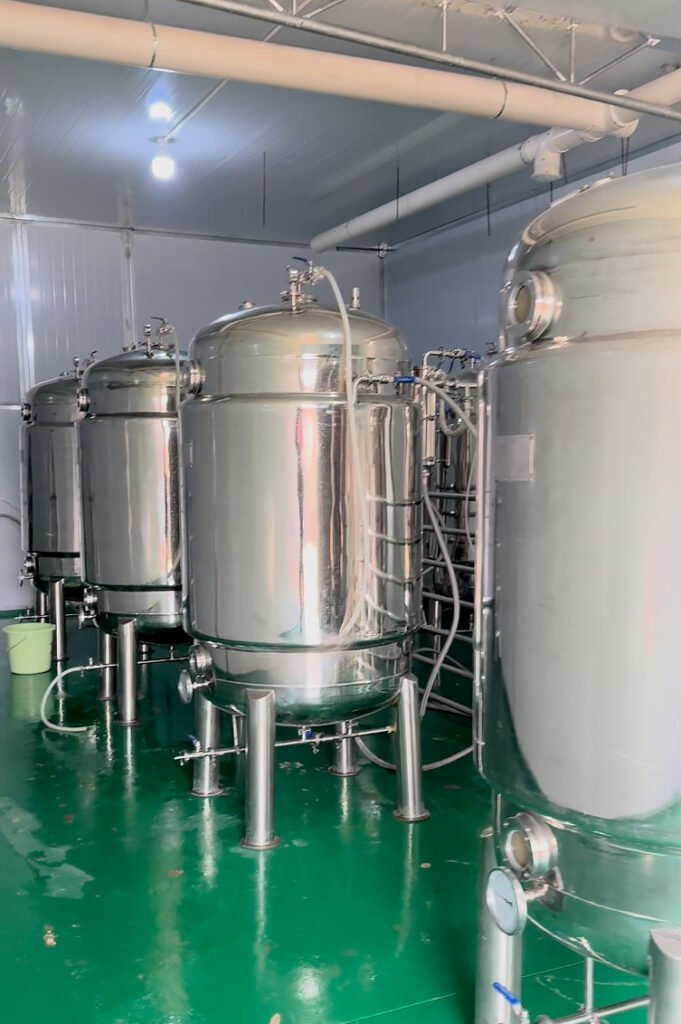
After transferring heat, the water returns through the circulation arrangement. It can then be heated again and circulated through the system.In our system arrangement, a shared temperature-control system manages the circulating water temperature, while heated water is distributed to the individual fermentation tank jackets through separate branches.
This process allows the temperature-control system to supply heat without directly contacting the liquid culture.
It is important to understand that the temperature of the circulating water and the temperature of the culture inside the tank are two different measurements. The actual culture temperature is affected by heat transfer, tank conditions, and the fermentation process itself.In this arrangement, the circulating water temperature is managed by a shared temperature-control system, while the water is distributed to the individual fermentation tank jackets through separate branches.
Therefore, controlling the water temperature is only one part of managing the fermentation environment.
4. Can One Temperature-Control System Serve Multiple Fermentation Tanks?
Yes. In some production layouts, multiple jacketed fermentation tanks can share a centralized hot water circulation system.
Instead of installing a completely separate heating arrangement for every tank, a common system supplies circulating water to several connected tank jackets.
This approach can be useful when planning a production line with multiple fermenters.
A shared arrangement may include:
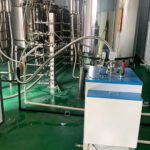
- A centralized water heating and temperature-control unit
- A circulation pump
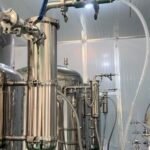
- Water supply and return piping
- Individual connections to the fermentation tank jackets
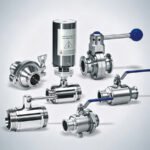
- Valves for controlling the water branches
The overall arrangement should be designed according to the number of tanks, their heating requirements, and the production schedule.
For example, a production facility may operate several fermentation tanks as part of one liquid spawn production system. A centralized circulation arrangement can supply heated water to multiple tank jackets through a shared system, with individual branch valves for managing the water supply to each tank.
However, a shared system does not automatically mean that every tank will have exactly the same culture temperature. Different tanks may have different operating conditions, fermentation stages, or heat-transfer requirements.
The system must therefore be planned with the actual production process in mind.
5. Why Are Individual Valves Useful in a Multi-Tank System?
When several fermentation tanks are connected to one circulation system, each tank’s jacket branch may require its own valve.
These valves provide a way to manage water circulation through individual branches.
In our system arrangement, each fermentation tank has an individual branch valve. When a particular tank does not require heating, the operator can close its valve to stop hot water from entering that tank’s jacket, while the circulation system continues supplying the other tanks.
Depending on the system design, individual valves can help operators:
- Control or isolate water flow to a particular tank
- Carry out maintenance on an individual branch
- Adjust the circulation arrangement when production requirements change
- Manage the connection between the central system and each tank jacket
This is particularly useful in production facilities where different tanks may not always operate under identical conditions.
Nevertheless, individual valves alone do not provide independent automatic temperature control. The actual control capability depends on the complete system design, including its sensors, control equipment, and operating arrangement.
This distinction matters when evaluating a fermentation system. Buyers should understand whether a proposed solution provides centralized water temperature management, individual tank monitoring, or independent temperature regulation for each tank.
These are different levels of system functionality.
6. What Should Be Considered When Planning Fermentation Temperature Control?
Selecting a jacketed fermentation tank is only one step in planning a liquid mushroom spawn production system.
The temperature-control arrangement should be evaluated together with the complete production requirements.
1. Number and capacity of fermentation tanks
The number of tanks and their working capacities influence the overall heating demand. A system designed for one fermenter may not be suitable for a production line with several tanks.
2. Mushroom species and cultivation process
Different mushroom strains and production procedures may require different temperature-management conditions. The equipment should support the actual process rather than rely on a generic temperature setting.
3. Production schedule
If multiple tanks operate at different times or fermentation stages, the circulation arrangement should take these operating conditions into account.
4. Heating and circulation capacity
The heating source, circulation pump, piping arrangement, and tank jackets need to work as a coordinated system. Their selection should be based on the overall heat demand.
5. Operation and maintenance
Operators need to understand how the temperature-control equipment works, how to monitor operating conditions, and how to identify potential problems during production.
A well-planned system should be practical not only during installation but also throughout daily operation and maintenance.
7. Temperature Control Should Be Part of the Complete Production Line
Liquid mushroom spawn production is not simply a matter of purchasing a fermentation tank.
The production system may also involve strain preparation, culture medium preparation, sterilization, fermentation, liquid spawn transfer, inoculation, and supporting equipment.
Temperature management needs to fit into this complete process.
For example, the heating arrangement should be considered alongside the fermentation tank configuration and production capacity. Equipment selection should also account for the available installation space, utility requirements, and the way operators will manage the production process.
This is why temperature-control planning should take place during the early design stage, rather than being treated as an additional feature after the fermentation tanks have already been selected.
At Haoqintech, we support liquid mushroom spawn production projects through equipment planning, system configuration, installation coordination, commissioning, technical guidance, and after-sales support.
Our approach is to consider the production process as a complete system and develop an equipment arrangement according to the customer’s mushroom species, target capacity, facility conditions, and operating requirements.Temperature control is only one part of a complete liquid spawn production system. See our guide to [designing an integrated liquid mushroom spawn fermentation system] to understand how temperature control, aeration, and liquid transfer work together.
8. Frequently Asked Questions
Can hot water enter the fermentation tank directly?
In a jacketed fermentation tank, hot water circulates through the external jacket and transfers heat through the tank wall. It does not need to enter or mix with the culture medium.
Can several fermentation tanks share one heating system?
Yes. A centralized hot water circulation system can serve multiple jacketed fermenters when the heating and circulation arrangement is designed for the combined requirements of the tanks.
Does one shared heating system mean all tanks have independent temperature control?
No. A shared system may provide centralized control of circulating water temperature, but independent temperature regulation for each tank requires additional monitoring and control arrangements.
How should the heating system be selected?
The selection should consider the number and capacity of the fermenters, the mushroom species, the production process, the operating schedule, and the overall heating demand.
Conclusion
Temperature control is an important part of reliable liquid mushroom spawn fermentation. A jacketed fermentation tank combined with a hot water circulation system provides a practical way to transfer heat while keeping the heating water separate from the culture medium.
For production lines with multiple fermenters, a shared circulation system may also offer a coordinated approach to temperature management. However, the heating capacity, circulation arrangement, and control functions must be matched to the actual production requirements.
The most important point is to plan temperature control as part of the complete liquid mushroom spawn production system, not as an isolated function of the fermentation tank.
Planning a liquid mushroom spawn production line? Contact Haoqintech to discuss your fermentation tank configuration, temperature-control requirements, and complete production system.