Tri-Clamp fittings are widely used in sanitary piping systems where cleanability, reliable connections and easy maintenance are important. Unlike conventional threaded connections, a Tri-Clamp connection uses a ferrule, gasket and clamp to join two sanitary components together.
This simple design allows piping, filters, valves, tanks and other process equipment to be connected and disconnected quickly for cleaning, inspection or maintenance.
But what exactly are the three components of a Tri-Clamp connection? How do they work together? And how should you choose the right sanitary Tri-Clamp fittings for your system?
This guide explains the basic structure of Tri-Clamp fittings and the key factors to consider when selecting them.
1. What Is a Tri-Clamp Fitting?
A Tri-Clamp fitting is a type of sanitary connection designed to join process piping or equipment using a clamp rather than conventional threads or flanges.
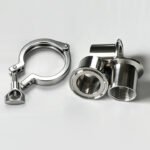
A typical Tri-Clamp connection consists of:
- Two matching ferrules
- One sanitary gasket
- One Tri-Clamp
The ferrules are positioned face-to-face with the gasket between them. The clamp then holds the connection together.
Because the connection can be opened by releasing the clamp, Tri-Clamp fittings are particularly useful in applications where frequent cleaning, inspection or component replacement is required.
They are commonly found in sanitary systems used for food and beverage processing, dairy, pharmaceutical production, brewing, fermentation and other hygienic applications.
2. The Three Main Components of a Tri-Clamp Connection
Understanding the three basic components makes it much easier to select and maintain sanitary Tri-Clamp fittings.
2.1 Tri-Clamp Ferrule
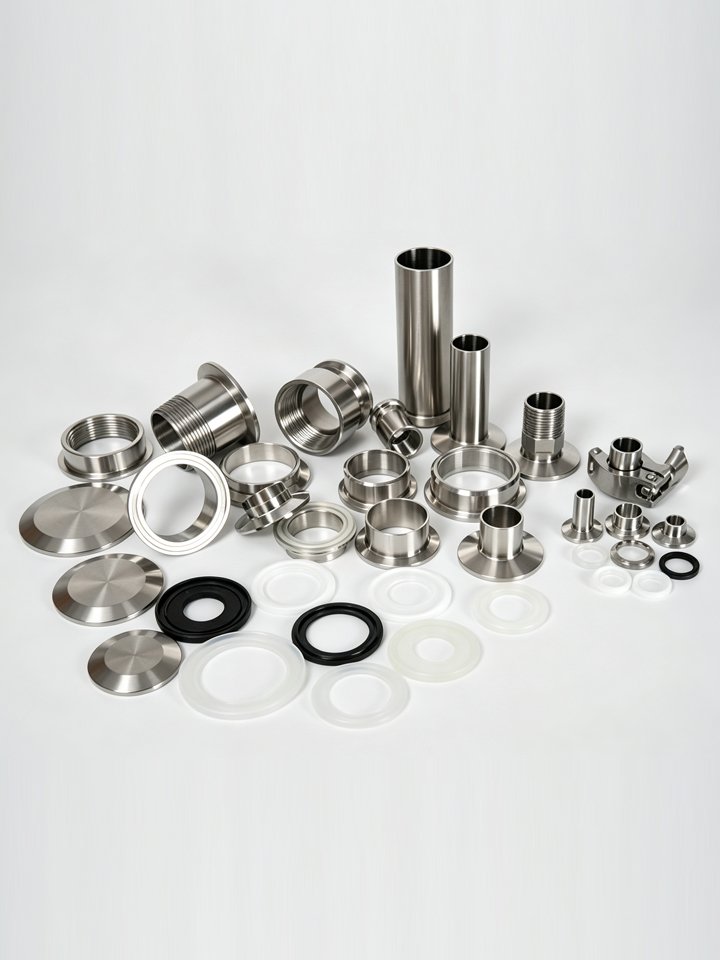
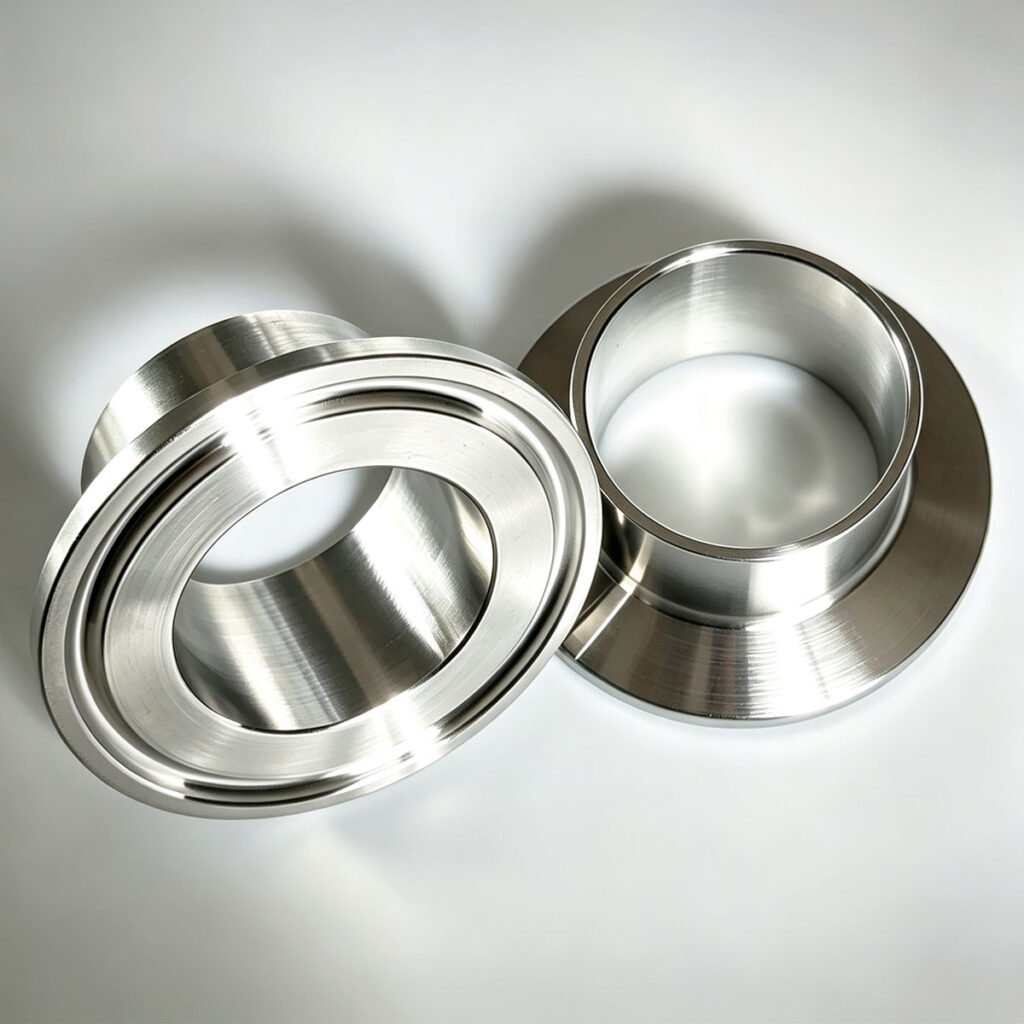
The ferrule is the stainless steel connection end that provides the sealing surface for the Tri-Clamp connection.
Two ferrules are normally joined together with a gasket between them. The clamp then applies pressure around the ferrule connection.
Ferrules may be found on many types of sanitary components, including:
- Stainless steel pipes and tubes
- Sanitary filters
- Strainers
- Valves
- Pumps
- Tank connections
- Tees and elbows
- Reducers and adapters
The correct ferrule size is important because the ferrule must match the corresponding sanitary connection and tubing dimensions.
2.2 Tri-Clamp Gasket
The gasket sits between the two ferrules and provides the sealing interface.
Gasket material should be selected according to the process conditions, including:
- Operating temperature
- Fluid characteristics
- Cleaning conditions
- Chemical exposure
- Pressure requirements
- Applicable hygiene requirements
Common gasket materials may include silicone, EPDM, PTFE and other elastomer or polymer materials, depending on the application.
Choosing a gasket only by size is not enough. The material must also be suitable for the actual process.
2.3 Tri-Clamp
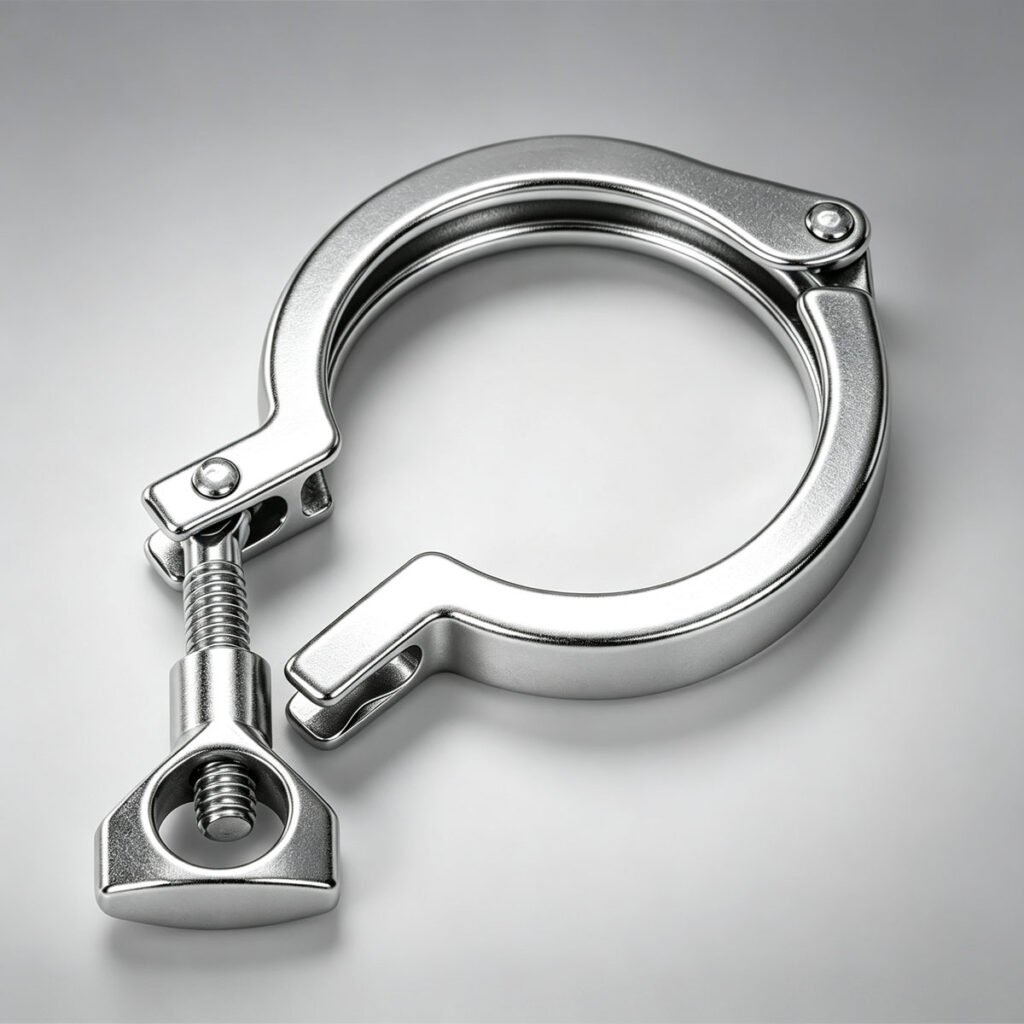
The clamp holds the two ferrules and gasket together.
A sanitary clamp allows the connection to be assembled or disassembled without using a conventional threaded connection. This is especially useful when equipment needs to be removed for cleaning or maintenance.
Clamp designs and operating methods can vary, so the clamp should be selected to match the applicable ferrule connection and operating conditions.
3. How Does a Tri-Clamp Connection Work?
The basic installation process is straightforward.
First, the two matching ferrules are positioned together with the gasket between their sealing faces.
The clamp is then placed around the ferrules and tightened to hold the connection together.
The result is a compact sanitary connection with a gasket providing the seal.
A simplified connection looks like this:
Ferrule → Gasket → Ferrule → Clamp
The important point is that the clamp provides the mechanical force while the gasket provides the sealing interface.
This separation of functions makes the connection simple to assemble and convenient to service.
4. Why Are Tri-Clamp Fittings Used in Sanitary Systems?
Tri-Clamp fittings are useful when process equipment needs to be cleaned, inspected or reconfigured regularly.
Easy Assembly and Disassembly
A clamp connection can generally be opened much more easily than a permanently welded connection or conventional threaded connection.
This can reduce maintenance time when filters, valves or other components need to be removed.
Hygienic Design
Sanitary Tri-Clamp fittings are designed for applications where contamination control and cleanable process connections are important.
Smooth internal surfaces and appropriate sanitary components can help reduce areas where process residue may accumulate.
Flexible Piping Configuration
Tri-Clamp fittings are available in many configurations, including elbows, tees, reducers and adapters.
This allows engineers to build piping systems around different equipment layouts.
Convenient Maintenance
Filters, strainers, valves and other components can be disconnected from the piping system when inspection or maintenance is required.
This is particularly useful in process systems with regular cleaning and component replacement.
5. Common Types of Tri-Clamp Fittings
There are many different types of stainless steel Tri-Clamp fittings used in sanitary piping.
Straight Ferrules
Straight ferrules provide the basic Tri-Clamp connection between sanitary tubing or other components.
They are often used as connection ends on filters, valves, tanks and piping assemblies.
Tri-Clamp Elbows
Elbows change the direction of a sanitary pipeline.
Common configurations include 45-degree and 90-degree elbows, depending on the piping layout.
Tri-Clamp Tees
A sanitary tee allows one process line to branch into another.
They are commonly used when a process system requires multiple flow paths or connections.
Tri-Clamp Reducers
Reducers connect different pipe or tube sizes.
They are useful when a process line transitions between different sanitary tubing dimensions.
Tri-Clamp Adapters
Adapters allow a Tri-Clamp connection to interface with another type of connection.
For example, a sanitary system may need to connect Tri-Clamp piping to equipment with a female threaded port.
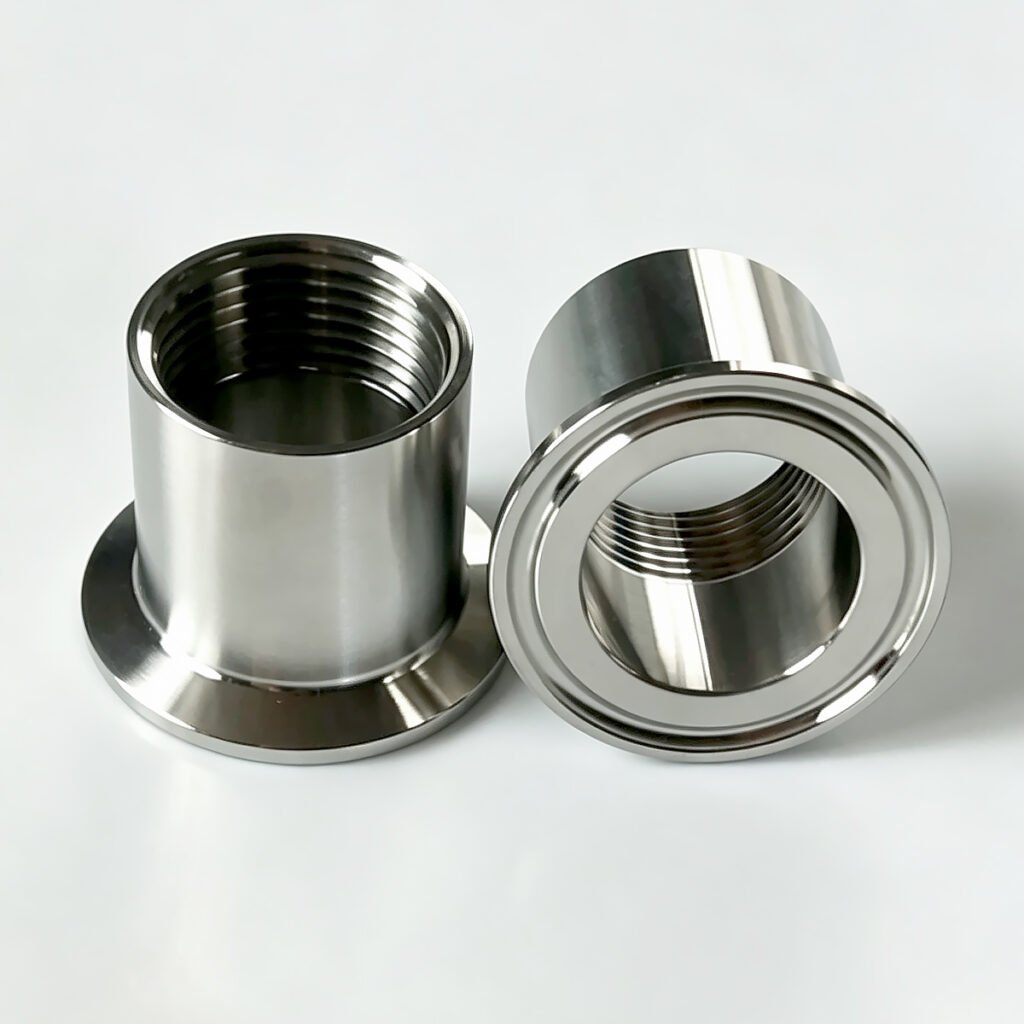
In this situation, a 304 Sanitary Tri-Clamp Female Thread Adapter can provide a practical transition between the two connection types.
This type of adapter is useful when a sanitary piping system contains both clamp-style and threaded components.
6. How to Choose the Right Tri-Clamp Fitting
Selecting the right sanitary Tri-Clamp fitting involves more than simply choosing a diameter.
6.1 Check the Connection Size
The first step is to determine the required sanitary connection size.
Make sure the fitting matches the tubing, ferrule or equipment connection used in the system.
Do not select a fitting based only on the nominal pipe size. Actual dimensions and connection standards should be checked against the components being connected.
6.2 Check the Connection Type
Consider what the fitting needs to connect.
For example:
- Tri-Clamp to Tri-Clamp
- Tri-Clamp to female thread
- Tri-Clamp to another pipe size
- Tri-Clamp to a valve
- Tri-Clamp to a filter housing
- Tri-Clamp to process equipment
Choosing the correct connection configuration can prevent unnecessary adapters and installation problems.
6.3 Choose the Appropriate Stainless Steel Material
304 stainless steel is commonly used for many sanitary applications.
For applications involving more demanding chemical exposure, corrosion conditions or specific process requirements, 316 or 316L stainless steel may be preferred.
The correct material should be selected according to the actual process environment rather than assuming that one stainless steel grade is suitable for every application.
6.4 Select the Correct Gasket Material
The gasket is an important part of the complete connection.
Consider the process fluid, temperature, cleaning chemicals and operating conditions when selecting gasket material.
A fitting with the correct stainless steel material can still have sealing problems if the gasket is not suitable for the process.
6.5 Consider Surface Finish and Sanitary Requirements
For hygienic processing applications, the internal and external surface condition of the fitting can be important.
Depending on the application, buyers may specify polished surfaces or other surface-finish requirements.
The required finish should be confirmed according to the process and applicable customer or industry requirements.
7. Tri-Clamp vs. Threaded Connections
Tri-Clamp and threaded connections each have advantages, depending on the application.
Tri-Clamp connections are particularly convenient when components need to be removed frequently for cleaning or maintenance.
Threaded connections can be practical for valves, instruments, smaller components and equipment that already use threaded ports.
Many real-world systems use both connection types.
When that happens, an adapter can bridge the two systems without requiring the entire piping configuration to be redesigned.
For a detailed comparison, see our guide:
[Tri-Clamp vs Threaded Connections: Which Sanitary Fitting Should You Use?]
This article explains the differences between the two connection methods and when each one may be more appropriate.
8. Where Are Sanitary Tri-Clamp Fittings Used?
Sanitary Tri-Clamp fittings are used across a wide range of hygienic processing applications.
Food and Beverage
Processing lines may use Tri-Clamp fittings for:
- Liquid transfer
- Filtration
- Pump connections
- Tank connections
- Process piping
- Cleaning systems
Dairy Processing
Sanitary connections are important in dairy systems where equipment and piping may require frequent cleaning.
Tri-Clamp fittings can be used around tanks, filters, valves and process lines.
Pharmaceutical Processing
Pharmaceutical applications can have strict requirements for process cleanliness and equipment maintenance.
The specific fitting material, finish, gasket and connection configuration should be selected according to the process requirements.
Brewing and Fermentation
Brewing and fermentation systems commonly use sanitary piping components around tanks, filters, valves and other process equipment.
Tri-Clamp connections are useful where components need to be accessed or replaced during system operation and maintenance.
Liquid Culture and Biotechnology Applications
Fermentation and liquid culture systems can contain tanks, filters, valves and sterile-air components connected through sanitary piping.
Tri-Clamp fittings provide a flexible way to connect these components while allowing convenient access for maintenance.
9. Common Tri-Clamp Fitting Selection Mistakes
Several simple mistakes can cause compatibility or sealing problems.
Choosing the Size Without Checking Actual Dimensions
Two products may be described using similar nominal sizes while having different connection dimensions.
Always confirm the actual connection specifications before ordering.
Ignoring the Gasket
The gasket is not just an accessory.
Its material and condition directly affect sealing performance.
Make sure the gasket is compatible with the process fluid and operating conditions.
Mixing Connection Types Without Planning
If a system contains both Tri-Clamp and threaded ports, identify all connection types before purchasing fittings.
A suitable adapter may be required.
Selecting Material Only by Price
The lowest-cost stainless steel option may not always be the best choice for a demanding process.
Consider corrosion resistance, cleaning conditions, process requirements and service life when selecting the material.
Assuming All Tri-Clamp Components Are Interchangeable
Connection dimensions, gasket profiles, clamp designs and applicable standards should be verified before combining components from different systems.
10. How a Tri-Clamp Female Thread Adapter Fits Into a Sanitary System
A common challenge occurs when sanitary Tri-Clamp piping needs to connect to equipment with a female threaded port.
For example, a process line may use Tri-Clamp connections while a valve, instrument, pump or other component has a female threaded inlet.
A 304 Sanitary Tri-Clamp Female Thread Adapter can provide the transition.
The Tri-Clamp side connects to the sanitary piping, while the female-thread side accepts the corresponding male-threaded component.
This allows different connection systems to be integrated into one process line without replacing compatible equipment.
When selecting this type of adapter, check:
- Tri-Clamp connection size
- Thread standard
- Thread size
- Stainless steel material
- Surface finish
- Process requirements
Thread specifications such as NPT, BSP or G should only be selected according to the actual equipment and fitting configuration.
11. Conclusion
Tri-Clamp fittings are built around a simple three-part connection: ferrule, gasket and clamp.
Each component has a specific function:
- Ferrule: provides the sanitary connection and sealing surface
- Gasket: creates the seal between the ferrules
- Clamp: holds the connection together
When properly selected, Tri-Clamp fittings can provide a practical and service-friendly connection for sanitary piping and process equipment.
For the best results, always consider connection size, actual dimensions, material, gasket compatibility, surface finish and the requirements of the process.
If your system combines Tri-Clamp piping with threaded equipment, a suitable sanitary adapter can also provide a simple transition between the two connection types.
Need help selecting a sanitary stainless steel fitting? Contact Haoqintech for more information or to request a quote.
Frequently Asked Questions
What is a Tri-Clamp fitting?
A Tri-Clamp fitting is a sanitary piping connection that uses two ferrules, a gasket and a clamp to connect process components.
What are the three parts of a Tri-Clamp connection?
The three basic parts are the ferrules, gasket and clamp.
What is a Tri-Clamp ferrule?
A Tri-Clamp ferrule is the stainless steel connection end that provides the sealing surface for a clamp-style sanitary connection.
What gasket should I use for a Tri-Clamp connection?
The gasket should be selected according to the process fluid, temperature, cleaning conditions, chemical exposure and other operating requirements. Common materials include silicone, EPDM and PTFE, depending on the application.
What is the difference between 304 and 316L stainless steel?
304 and 316L are different stainless steel grades. 316L generally provides better resistance to certain corrosive environments, while 304 is widely used for many general sanitary applications. The appropriate grade depends on the process conditions.
How do I choose the right Tri-Clamp size?
Start by checking the actual connection dimensions of the tubing, ferrule or equipment. Then confirm the fitting size, connection configuration and applicable specifications before ordering.
Can Tri-Clamp fittings connect to threaded equipment?
Yes. A suitable Tri-Clamp-to-threaded adapter can connect sanitary clamp piping to equipment with a compatible threaded port. The thread type and size must match the equipment.