When designing or modifying a sanitary piping system, choosing the right connection type is an important decision.
Two common options are Tri-Clamp connections and threaded connections. Both can be used in sanitary fluid systems, but they are designed for different installation requirements and applications.
So, which one should you choose?
The answer depends on your equipment, cleaning requirements, maintenance needs, and the type of components you need to connect.
In this guide, we compare Tri-Clamp and threaded connections, explain where each type works best, and show how a Tri-Clamp female thread adapter can connect the two systems.
What Is a Tri-Clamp Connection?
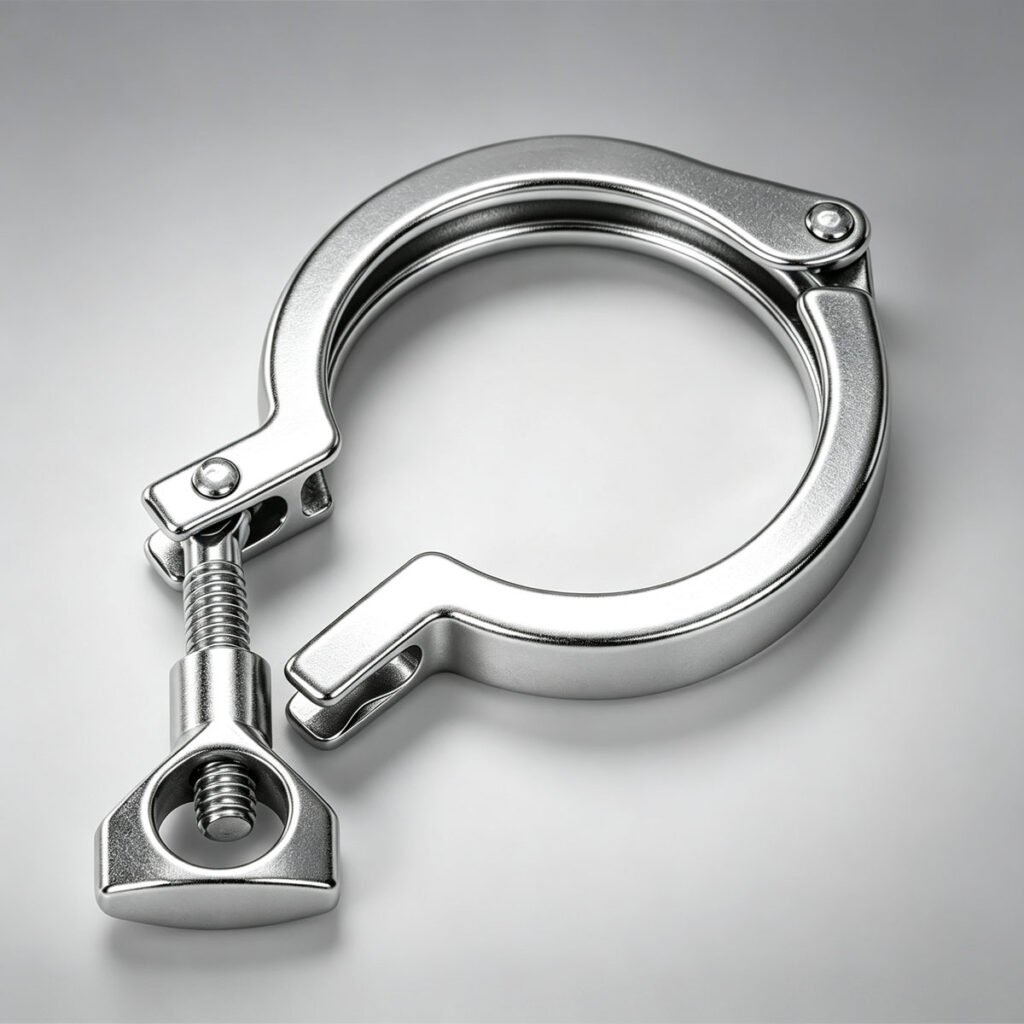
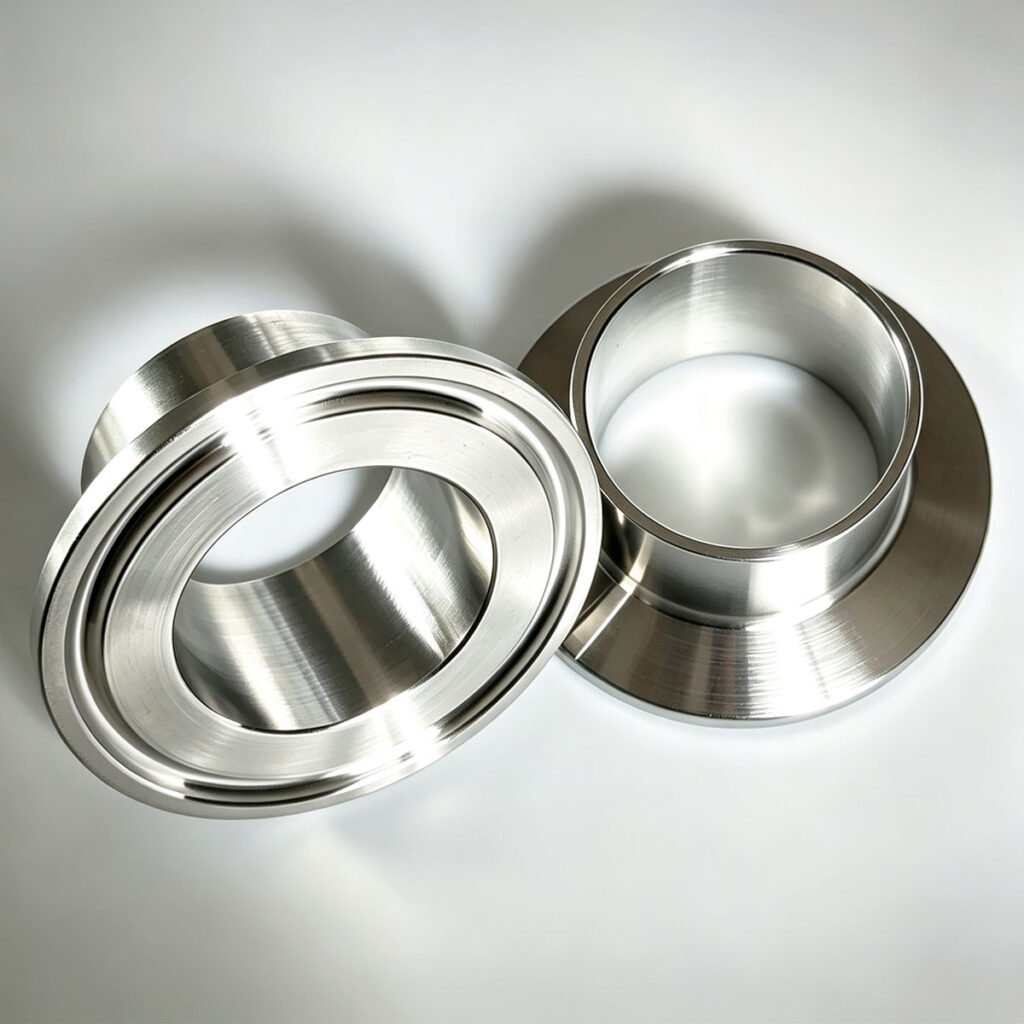
A Tri-Clamp connection, also called a sanitary clamp connection, uses two ferrule ends, a gasket, and a sanitary clamp to create a connection.
The clamp can be opened and tightened without welding or permanently joining the components. This makes Tri-Clamp connections particularly convenient when equipment needs to be frequently disassembled for cleaning, inspection, maintenance, or replacement.
Tri-Clamp connections are widely used in hygienic processing systems, including:
- Food and beverage processing
- Dairy processing
- Brewing and fermentation
- Pharmaceutical processing
- Bioprocessing
- Liquid culture systems
- Sanitary water and fluid processing
The main advantage is accessibility. Operators can disconnect components relatively quickly compared with permanently welded connections.
What Is a Threaded Connection?
A threaded connection joins components using matching male and female pipe threads.
Common thread standards include:
- NPT
- BSP
- G
Threaded connections are widely used for valves, gauges, sensors, instruments, fittings, and other equipment that already has a threaded port.
They are especially useful when connecting sanitary piping to components that are not equipped with a Tri-Clamp connection.
However, threaded connections require careful matching of the thread standard and size. For example, an NPT thread should not simply be treated as interchangeable with a BSP thread.
Tri-Clamp vs Threaded Connections
The two connection types have different strengths.
| Feature | Tri-Clamp Connection | Threaded Connection |
|---|---|---|
| Connection method | Clamp + ferrule + gasket | Male and female threads |
| Installation | Quick and easy | Threaded assembly |
| Disassembly | Easy | Requires unscrewing |
| Cleaning access | Excellent | Depends on component design |
| Hygienic applications | Excellent | Application dependent |
| Typical use | Sanitary process piping | Valves, instruments, equipment |
| Maintenance | Easy to disconnect | More involved |
| Flexibility | Easy component replacement | Convenient for threaded components |
There is no universal winner.
The better choice depends on the requirements of the process system.
When Should You Use a Tri-Clamp Connection?
Tri-Clamp is often the preferred option when frequent cleaning, inspection, or component replacement is required.
For example, a food or beverage processing line may need to be cleaned regularly. A sanitary clamp connection allows operators to disconnect components without cutting or welding the pipeline.
Tri-Clamp connections are particularly useful for:
Food and Beverage Processing
Hygienic piping systems often require easy access for cleaning and maintenance.
Dairy Processing
Dairy systems commonly require cleanable connections and regular sanitation.
Brewing and Fermentation
Fermentation systems may include tanks, filters, valves, pumps, and sampling points that need to be connected and disconnected during operation and maintenance.
Pharmaceutical and Bioprocessing
Where hygienic design and cleanability are important, sanitary clamp connections can provide convenient access to process components.
CIP Systems
Tri-Clamp connections can simplify the removal and replacement of components during maintenance and cleaning procedures.
When Is a Threaded Connection More Suitable?
Threaded connections can be more practical when the equipment being connected already has a threaded port.
Typical examples include:
- Pressure gauges
- Sensors
- Instrument connections
- Threaded valves
- Pumps and equipment with threaded ports
- Existing threaded piping
- Small process components
For these applications, using a threaded connection can avoid unnecessary modifications to the equipment.
The important point is to confirm the correct thread standard, thread size, and mating component before ordering.
What If Your System Uses Both Tri-Clamp and Threaded Connections?
This is common in real-world sanitary piping systems.
For example, your main process pipeline may use Tri-Clamp connections, while a valve, gauge, sensor, or other component may have a female threaded port.
In this situation, you need a transition fitting.
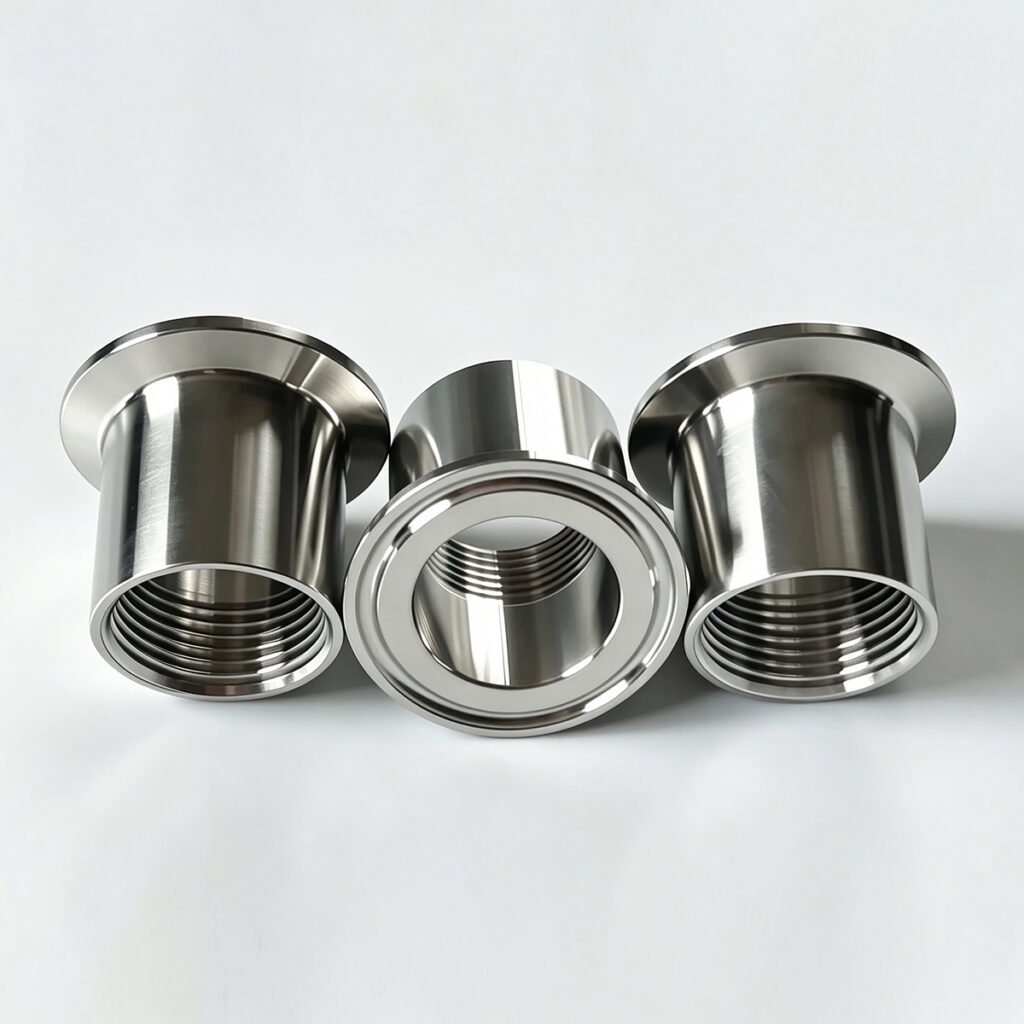
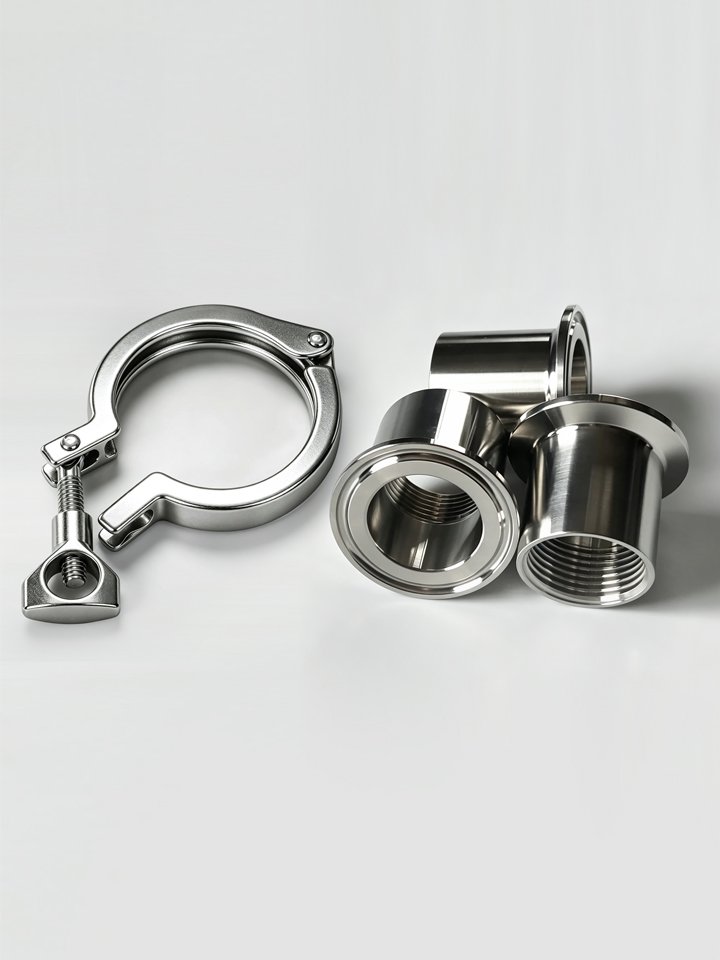
A Sanitary Tri-Clamp Female Thread Adapter provides a connection between the two systems:
Tri-Clamp sanitary piping → Female threaded component
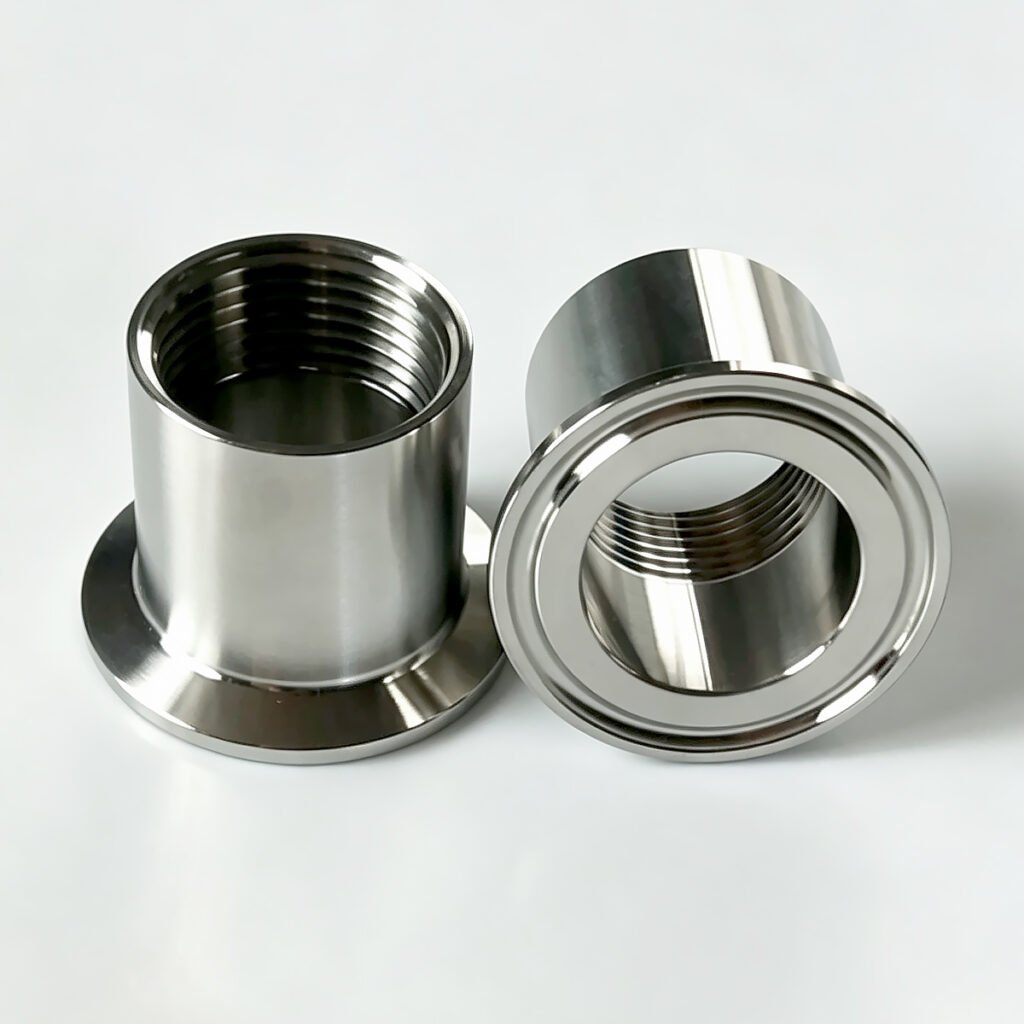
This type of adapter allows you to maintain a sanitary clamp connection on one side while connecting to a compatible threaded component on the other.
What Is a Tri-Clamp Female Thread Adapter?
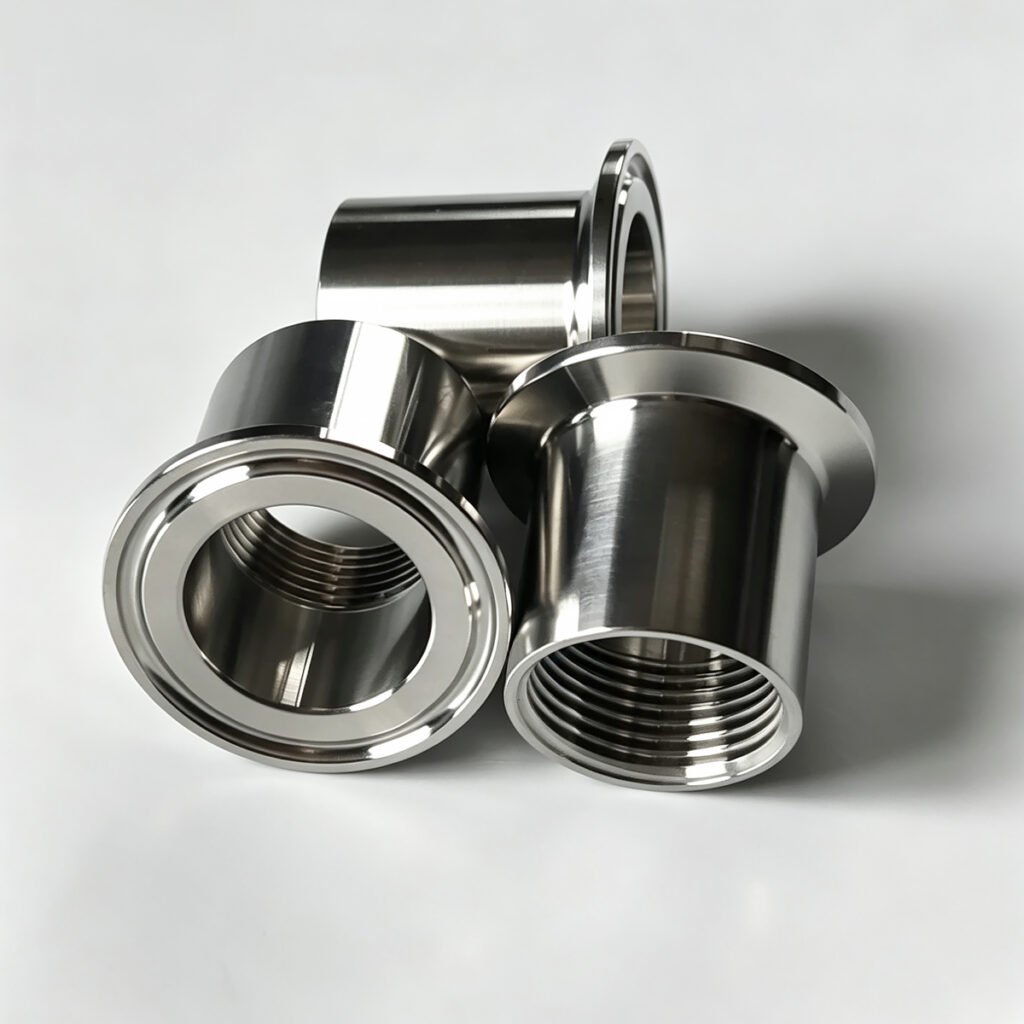
A Tri-Clamp female thread adapter combines:
- A sanitary Tri-Clamp connection
- A female threaded connection
- Stainless steel construction
- A gasket and clamp-compatible sanitary interface
For example, a 304 stainless steel Tri-Clamp female thread adapter can be used to connect sanitary process piping to a compatible threaded valve, instrument, or fitting.
The adapter is especially useful when upgrading an existing system or combining equipment with different connection standards.
How to Choose the Right Tri-Clamp Female Thread Adapter
Before ordering an adapter, check several important specifications.
1. Tri-Clamp Size
Confirm the size of the sanitary connection.
Common nominal sizes include:
- DN15 (1/2″)
- DN20 (3/4″)
- DN25 (1″)
- DN32 (1-1/4″)
- DN40 (1-1/2″)
- DN50 (2″)
- DN65 (2-1/2″)
- DN80 (3″)
- DN100 (4″)
The actual ferrule dimensions should also be checked because sanitary connection standards can vary.
2. Female Thread Standard
Confirm which thread standard is required.
Common options include:
- NPT
- BSP
- G
Do not assume that two threads with the same nominal size are interchangeable. The thread standard should match the male thread on the equipment being connected.
3. Stainless Steel Grade
For general sanitary applications, 304 stainless steel is a common choice because it provides good corrosion resistance and durability.
For applications requiring greater corrosion resistance, particularly those involving more demanding process conditions, 316L stainless steel may be preferred.
4. Surface Finish
A polished stainless steel surface can support hygienic processing and easier cleaning.
For sanitary applications, the internal and external finish should be considered according to the actual process requirements.
Common Applications of Tri-Clamp Female Thread Adapters
Tri-Clamp female thread adapters can be used in many sanitary process systems.
Typical applications include:
- Connecting sanitary pipes to threaded valves
- Connecting process lines to pressure gauges
- Connecting sensors and instruments
- Tank outlets
- Pump connections
- Fermentation systems
- Food and beverage processing lines
- Dairy processing systems
- Pharmaceutical process equipment
- Liquid culture systems
The correct adapter depends on the connection size and thread specification of the equipment.
Tri-Clamp vs Threaded: Which One Should You Choose?
A simple way to think about the choice is:
Choose Tri-Clamp when:
- Frequent disassembly is required
- Easy cleaning is important
- The process system is designed around sanitary clamp connections
- Components need to be replaced or inspected regularly
Choose threaded connections when:
- The equipment already has a threaded port
- You are connecting gauges, sensors, or threaded valves
- The existing system uses threaded components
- A threaded connection is required by the equipment design
Use a Tri-Clamp female thread adapter when:
- Your sanitary pipeline uses Tri-Clamp connections
- The equipment you need to connect has a compatible female-threaded interface
- You need a practical transition between the two connection types
Conclusion
Tri-Clamp and threaded connections both have an important place in sanitary piping systems.
Tri-Clamp connections are particularly useful for hygienic process lines where easy disassembly, cleaning, and maintenance are important. Threaded connections remain practical for valves, instruments, gauges, and other equipment with threaded ports.
When a sanitary Tri-Clamp pipeline needs to connect to a threaded component, a Tri-Clamp female thread adapter provides a simple and practical transition between the two connection types.
Haoqintech supplies 304 stainless steel sanitary Tri-Clamp fittings and connection components for food, beverage, dairy, pharmaceutical, fermentation, and other hygienic processing applications.
For a suitable adapter, please provide the Tri-Clamp size, thread standard, material, and required quantity when requesting a quotation.
Frequently Asked Questions
Is Tri-Clamp better than a threaded connection?
Neither connection is universally better. Tri-Clamp is often preferred for sanitary systems requiring frequent cleaning and disassembly, while threaded connections are useful for equipment with threaded ports.
Can a Tri-Clamp system connect to a threaded valve?
Yes. A suitable Tri-Clamp to threaded adapter can be used to connect sanitary clamp piping to a compatible threaded valve.
What is the difference between NPT and BSP?
NPT and BSP are different pipe thread standards. They have different thread profiles and specifications and should not be treated as directly interchangeable.
What size Tri-Clamp adapter do I need?
The required size depends on the Tri-Clamp connection and the threaded component being connected. Confirm both the sanitary connection size and the female thread specification before ordering.
Is 316L available?
316L stainless steel can be supplied for applications requiring higher corrosion resistance or specific material requirements. Please confirm availability for the required size and configuration.
Do you supply matching clamps and gaskets?
Matching sanitary clamps and gaskets can be supplied separately depending on the required connection size and configuration.