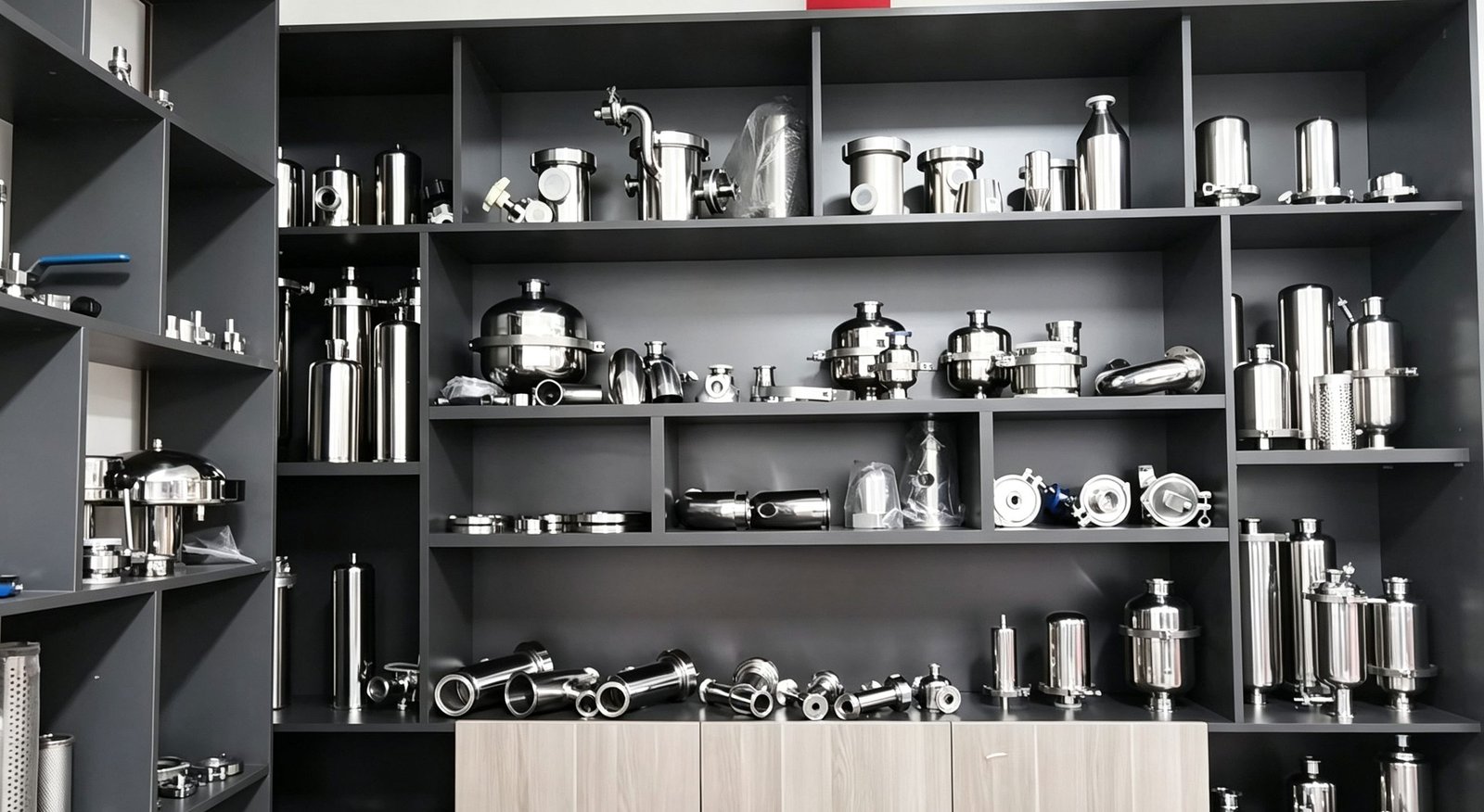
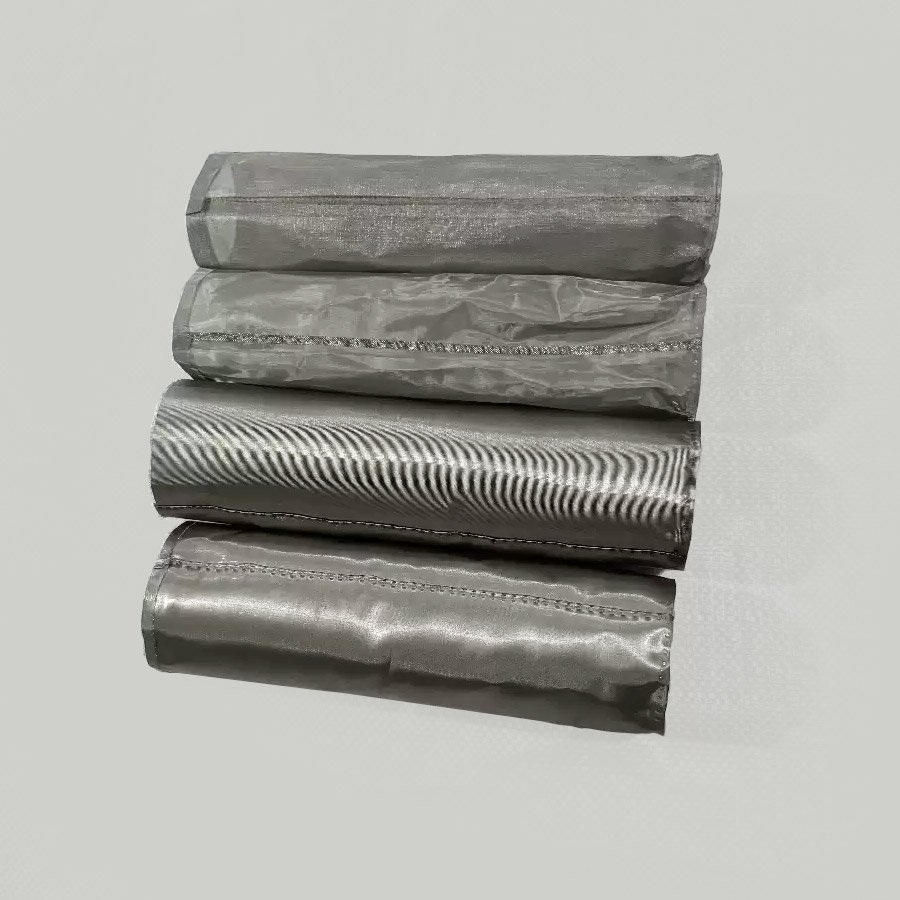
A stainless steel mesh strainer is commonly used in sanitary and industrial liquid-processing systems to remove unwanted particles before they reach pumps, valves, spray nozzles or downstream equipment.
However, even a properly selected strainer requires regular inspection and cleaning. Accumulated particles can restrict flow, increase pressure drop and affect the performance of the process line.
This guide explains how to inspect, clean and maintain a stainless steel mesh strainer screen, what signs to look for during maintenance, and when a screen may need replacement.
1. Why Does a Stainless Steel Mesh Strainer Need Regular Cleaning?
During operation, solid particles gradually accumulate on the strainer screen. The amount and type of buildup depend on the process fluid, particle characteristics, operating conditions and selected mesh size.
Common signs that a strainer may require inspection include:
- Increasing pressure drop across the strainer
- Reduced flow through the pipeline
- Visible accumulation of solids on the screen
- More frequent cleaning requirements
- Unexpected restrictions affecting downstream equipment
These symptoms do not always indicate a damaged screen. A blockage, unsuitable mesh selection, process changes or other restrictions elsewhere in the pipeline may produce similar symptoms.
For this reason, maintenance should begin with an inspection rather than an assumption that the screen must be replaced.
2. Safety Checks Before Removing the Strainer Screen
Before opening a strainer housing, follow the equipment manufacturer’s instructions and the site’s maintenance and isolation procedures.
Key precautions include:
- Stop the process and isolate the equipment from the relevant pressure and fluid sources.
- Confirm that the section is safely depressurized and drained.
- Allow hot fluids and equipment to cool to a safe temperature.
- Use appropriate protective equipment for the process fluid and cleaning method.
- Follow site procedures for hazardous, corrosive or biologically active materials.
Never loosen a clamp or open a filter housing while it may still contain pressure or hazardous fluid.
The exact isolation procedure depends on the system design and the process being handled.
3. Step-by-Step Cleaning Procedure
Step 1: Remove the Screen According to the Equipment Design
After the system has been made safe, open the strainer housing following the manufacturer’s instructions.
Remove the screen carefully to avoid bending the mesh or damaging its supporting structure.
If the equipment uses a gasket or other sealing component, inspect it during disassembly and keep components organized for reassembly.
Step 2: Inspect the Screen Before Cleaning
Examine the screen under suitable lighting.
Look for:
- Accumulated particles or deposits
- Blocked mesh openings
- Bent, torn or deformed mesh
- Corrosion or unusual discoloration
- Damage to the supporting structure
- Deposits that cannot be removed using the approved cleaning method
Recording the condition of the screen can help maintenance personnel identify recurring problems and determine whether the current filtration arrangement is appropriate.
Step 3: Remove Loose Particles
Remove loose solids using a cleaning method compatible with the screen material and the process.
Where appropriate, use a soft brush or a controlled rinse. Avoid aggressive scraping, sharp tools or excessive force that could deform the mesh.
The cleaning direction and method should be selected to remove deposits without forcing contaminants deeper into the screen or damaging its structure.
Step 4: Remove Deposits Using an Appropriate Cleaning Method
The cleaning method depends on the type of contamination.
For example, loose particles, oily residues, mineral deposits and dried product residues may require different approaches.
Use only cleaning agents and procedures compatible with the stainless steel grade, gasket materials, process requirements and applicable site procedures.
Do not assume that one chemical concentration, temperature or cleaning duration is suitable for every application.
Where the strainer forms part of a validated hygienic process, follow the established cleaning procedure and any required verification steps.
Step 5: Rinse and Inspect Again
After cleaning, rinse the screen as required by the approved procedure.
Inspect the mesh again to confirm that visible deposits have been removed and that the screen remains intact.
If the openings remain blocked or the screen shows damage, do not assume that additional aggressive cleaning will solve the problem. Evaluate whether further cleaning, repair or replacement is appropriate.
4. When Should a Stainless Steel Mesh Strainer Screen Be Replaced?
A screen may require replacement when cleaning no longer restores its intended condition or when physical damage affects its suitability for use.
Typical warning signs include:
- Torn or broken mesh wires
- Permanent deformation
- Corrosion or material deterioration
- Damaged screen supports
- Persistent blockage that cannot be removed using the approved cleaning method
- Evidence that particles are passing through a damaged screen
Before replacing the screen, confirm the required dimensions, mesh specification, material and compatibility with the existing strainer housing.
A replacement screen should match the actual equipment configuration. A screen that fits physically but has a different mesh specification may change filtration performance and flow resistance.
5. How Does Mesh Selection Affect Cleaning Frequency?
Mesh selection influences both particle retention and the tendency for a screen to become blocked.
A finer screen may retain smaller particles, but it can also become restricted more quickly when the process contains a high concentration of solids.
A coarser screen may allow more particles to pass downstream, depending on the particle size distribution and screen characteristics.
The appropriate selection should therefore consider:
- The type and size of particles to be removed
- The required protection for downstream equipment
- The process flow rate
- The concentration of suspended solids
- The acceptable pressure drop
- The frequency and practicality of maintenance
Mesh count should not be treated as a direct substitute for micron rating. When comparing screens, confirm the actual specification and the manufacturer’s definition of the stated mesh size.
For additional guidance, see our related article on choosing the right mesh for a sanitary Tri-Clamp inline strainer.
6. What to Check If the Strainer Blocks Too Frequently
Repeated blockage may indicate that the maintenance interval is too long, but it may also reveal a mismatch between the screen and the process.
Before simply increasing cleaning frequency, consider the following questions.
Is the screen too fine for the application?
A finer screen may cause more frequent restrictions when the process contains substantial suspended solids. Review the particle-removal objective before changing the mesh.
Has the process fluid changed?
Changes in raw materials, product formulation, upstream equipment or cleaning residues may increase the solids load entering the strainer.
Is the strainer correctly sized for the flow?
The housing and screen arrangement should be suitable for the actual operating flow and process conditions. Do not select equipment based only on the pipeline connection size.
Is the restriction actually inside the strainer?
Check the available process indicators and inspect other possible restrictions in the line. A pressure-drop problem may originate from another component or from a wider process issue.
Is the screen damaged or incorrectly installed?
Confirm that the screen is the correct type for the housing and that all components are correctly assembled according to the manufacturer’s instructions.
Where repeated blockage affects production, document the operating conditions and maintenance findings before changing the filtration configuration.
7. Maintenance Checklist for Sanitary Mesh Strainers
A practical inspection record can include the following items:
- Equipment identification and location
- Process fluid and operating conditions
- Condition of the screen before cleaning
- Type of deposits found
- Cleaning method used
- Condition of the mesh after cleaning
- Gasket and sealing-component condition
- Any signs of leakage, deformation or corrosion
- Whether a replacement screen is required
- Observations about recurring blockage or pressure drop
Inspection frequency should be based on actual process conditions, maintenance history, manufacturer guidance and applicable hygiene requirements rather than a universal fixed interval.
8. Choosing the Right Stainless Steel Mesh Strainer
For hygienic liquid-processing applications, the appropriate strainer depends on more than the stainless steel grade or connection size.
Before selecting or replacing a strainer, confirm:
- Required body and connection dimensions
- Stainless steel material
- Mesh specification
- Expected flow conditions
- Type of particles to be removed
- Cleaning and maintenance requirements
- Compatibility with the process fluid and operating conditions
For applications involving food, beverages, dairy products, fermentation or other hygienic liquids, the selected equipment should be appropriate for the process and the required cleaning procedure.
A suitable stainless steel mesh strainer can help protect downstream components and support practical maintenance when its configuration matches the actual process requirements.
Need Help Selecting a Stainless Steel Strainer?
Haoqintech supplies stainless steel filtration components and sanitary process fittings for hygienic liquid-processing applications.
If you are selecting a new strainer or replacing an existing screen, share the application, connection dimensions, required mesh specification, process conditions and any available drawings or photographs.
Our team can review the information and help identify a suitable configuration based on the confirmed requirements.
Explore our sanitary filters and strainers or contact Haoqintech to discuss your application.