Setting up a liquid mushroom spawn production facility involves more than purchasing a fermentation tank. Mushroom growers and spawn producers need suitable mushroom strains, a compatible cultivation process, properly configured equipment, and technical support to establish a reliable production operation.
For businesses planning to develop their own liquid spawn production capacity, these factors should be considered together from the beginning.
Haoqintech provides integrated liquid mushroom spawn production solutions, combining production equipment, mushroom strains, installation guidance, and technical support according to project requirements. This article explains the main considerations when selecting a system for commercial mushroom production.
1. Start with the Mushroom Species and Production Objectives
Before selecting equipment, define which mushroom species you intend to produce, your target production capacity, and how the liquid spawn will be used in your downstream cultivation process.
Different mushroom species may require different strains, culture media, cultivation conditions, and inoculation methods. A system designed around one production process should not automatically be assumed suitable for every mushroom species without technical evaluation.
Four representative species to consider are:
- Lion’s Mane (Hericium erinaceus) — an edible mushroom cultivated for its distinctive fruiting bodies.
- King Oyster Mushroom (Pleurotus eryngii) — a commercially cultivated oyster mushroom species.
- Wood Ear Mushroom (Auricularia species) — a group of cultivated mushrooms used in a range of food markets.
- White Button Mushroom (Agaricus bisporus) — a major commercial mushroom species with specific spawn and compost inoculation requirements.
Other edible mushroom species may also be evaluated according to the customer’s objectives and technical requirements.
The first step is to identify the intended species and strain, the required production volume, and the downstream cultivation method. These decisions provide the basis for selecting the appropriate process and system configuration.
2. Mushroom Strains Are as Important as Production Equipment
A fermentation system alone does not determine the quality of the final mushroom spawn. The selected strain and its compatibility with the culture medium and cultivation process are equally important considerations.
Haoqintech can provide mushroom strains alongside integrated liquid spawn production solutions. This allows customers to evaluate strain selection, equipment configuration, and production guidance as parts of one project rather than treating them as separate purchasing decisions.
When planning a project, several questions should be addressed:
- Which mushroom species and strains are required?
- Is the strain suitable for the intended liquid culture process?
- What culture medium and operating conditions are appropriate?
- How will the resulting liquid spawn be used in the customer’s cultivation process?
- What quality checks are needed before the spawn is used commercially?
These questions should be assessed together. Different strains may respond differently to culture conditions, and successful liquid culture development does not automatically guarantee the same results in every downstream cultivation system.
For this reason, strain selection and process planning should take place before the final equipment configuration is confirmed.
3. Choose a Complete Production Solution, Not Just a Fermentation Tank
A commercial liquid mushroom spawn facility requires coordinated equipment and supporting infrastructure. Purchasing a fermentation tank alone does not establish a complete production operation.
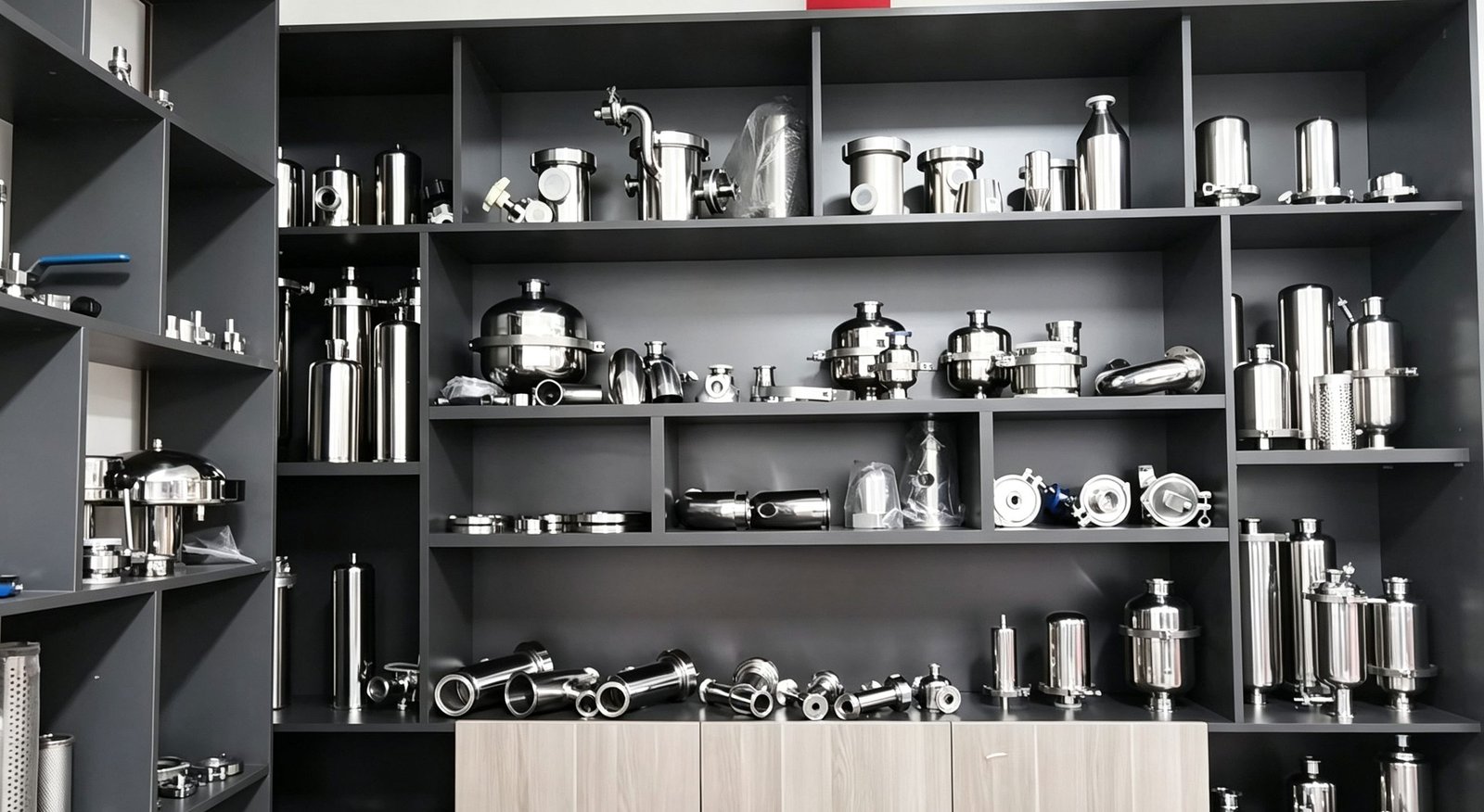
Depending on the project scope, the system may include fermentation equipment, sterilization facilities, compressed-air supply, a boiler or other suitable steam source, laboratory equipment, sanitary piping, and associated utilities.
The exact configuration depends on the target production capacity, selected mushroom species, process requirements, local utility conditions, available space, and desired level of automation.
For example, a facility developing its first commercial liquid spawn operation may have different laboratory and production requirements from an established spawn producer expanding its capacity.
Rather than selecting equipment solely by tank volume, buyers should assess the complete process and determine how the different systems will work together.
For a more detailed explanation of system components and process integration, see our guide to the Liquid Mushroom Spawn Production System.
4. Technical Guidance Matters Beyond Equipment Delivery
Establishing a liquid mushroom spawn production facility involves more than installing machinery. The operating team must understand how to use the equipment and follow a process suited to the selected strain and production objectives.
Depending on the project scope, technical support may include:
- Equipment installation guidance and system commissioning.
- Operator training and equipment operation guidance.
- Guidance on strain selection and liquid culture procedures.
- Assistance with process planning and the coordination of supporting equipment.
- Technical consultation during production setup and troubleshooting.
The precise scope of support should be agreed upon before the project begins. Installation, commissioning, training, and ongoing technical assistance may involve different arrangements depending on the project and customer location.
For overseas buyers, it is especially important to clarify which activities are included, whether on-site support is required, and what facilities the customer must prepare locally.
The objective is to help the customer establish a functioning production process, rather than simply deliver equipment without considering how it will be operated.
5. Plan for Commercial Production from the Beginning
A system intended for commercial use should be designed around the customer’s production goals, rather than selected solely on the basis of an advertised tank capacity.
Before requesting a proposal, consider the following factors:
Target production capacity
Estimate the required liquid spawn output and the intended production schedule. The required fermentation capacity depends on the process, batch duration, utilization, and other operating conditions.
Mushroom species and strain
Identify the intended species and strains, along with any known culture requirements. If several species are planned, determine whether they require separate process validation or other adjustments.
Existing facilities
Assess the availability of laboratory space, steam, compressed air, water, drainage, electrical supply, and other site utilities.
Automation requirements
Clarify which activities should be manual, semi-automatic, or automated. The appropriate level of automation depends on production scale, budget, staffing, and operational requirements.
Downstream cultivation method
Explain how the liquid spawn will be used, including the intended substrate or compost inoculation process. This is particularly important when planning for different mushroom species and cultivation systems.
These details allow the supplier to evaluate the project as a complete production system and identify the equipment, supporting infrastructure, and technical requirements before finalizing the proposal.
6. Understand the Investment as a Complete Project
The cost of a liquid mushroom spawn production facility cannot be reliably determined from the price of one fermentation tank.
Total investment may include the main production equipment, laboratory facilities, sterilization systems, boilers, air compressors, piping, utilities, installation, commissioning, training, and technical support.
Other factors include the target capacity, level of automation, local installation conditions, shipping, and the scope of the supplier’s responsibilities.
A meaningful comparison between suppliers should therefore consider the complete equipment list, included services, project boundaries, and technical deliverables—not just the headline equipment price.
For smaller, medium-sized, and larger projects, the appropriate configuration should be determined from the customer’s actual production objectives and site conditions.
7. Information to Prepare Before Requesting a Proposal
To help evaluate a liquid mushroom spawn production project, buyers should prepare the following information where available:
- Target mushroom species and strains.
- Expected production capacity and production schedule.
- Intended downstream cultivation method.
- Existing laboratory, production, and utility facilities.
- Desired level of automation.
- Project location and installation requirements.
- Scope of installation, training, and technical support required.
Not every buyer will have all these details at the initial inquiry stage. A preliminary discussion can help identify the missing information and determine what needs to be evaluated before the system is designed.
Conclusion
Selecting a liquid mushroom spawn production system requires coordinated decisions about mushroom strains, cultivation processes, equipment, technical support, and commercial production objectives.
Haoqintech provides integrated liquid mushroom spawn production solutions that combine production equipment, mushroom strains, installation guidance, and technical support according to project requirements. Representative species include Lion’s Mane, King Oyster Mushroom, Wood Ear Mushroom, and White Button Mushroom, with other species evaluated according to their technical requirements.
For businesses planning to establish or expand liquid mushroom spawn production, the most appropriate starting point is to define the target species, production capacity, and downstream cultivation process. These factors provide the foundation for evaluating the required equipment and technical support as a complete project.