Preparing a liquid mushroom spawn production line involves more than supplying fermentation tanks. The project also requires coordination between the intended mushroom strain, culture medium, stainless steel equipment, sanitary components, and the practical requirements of overseas delivery.
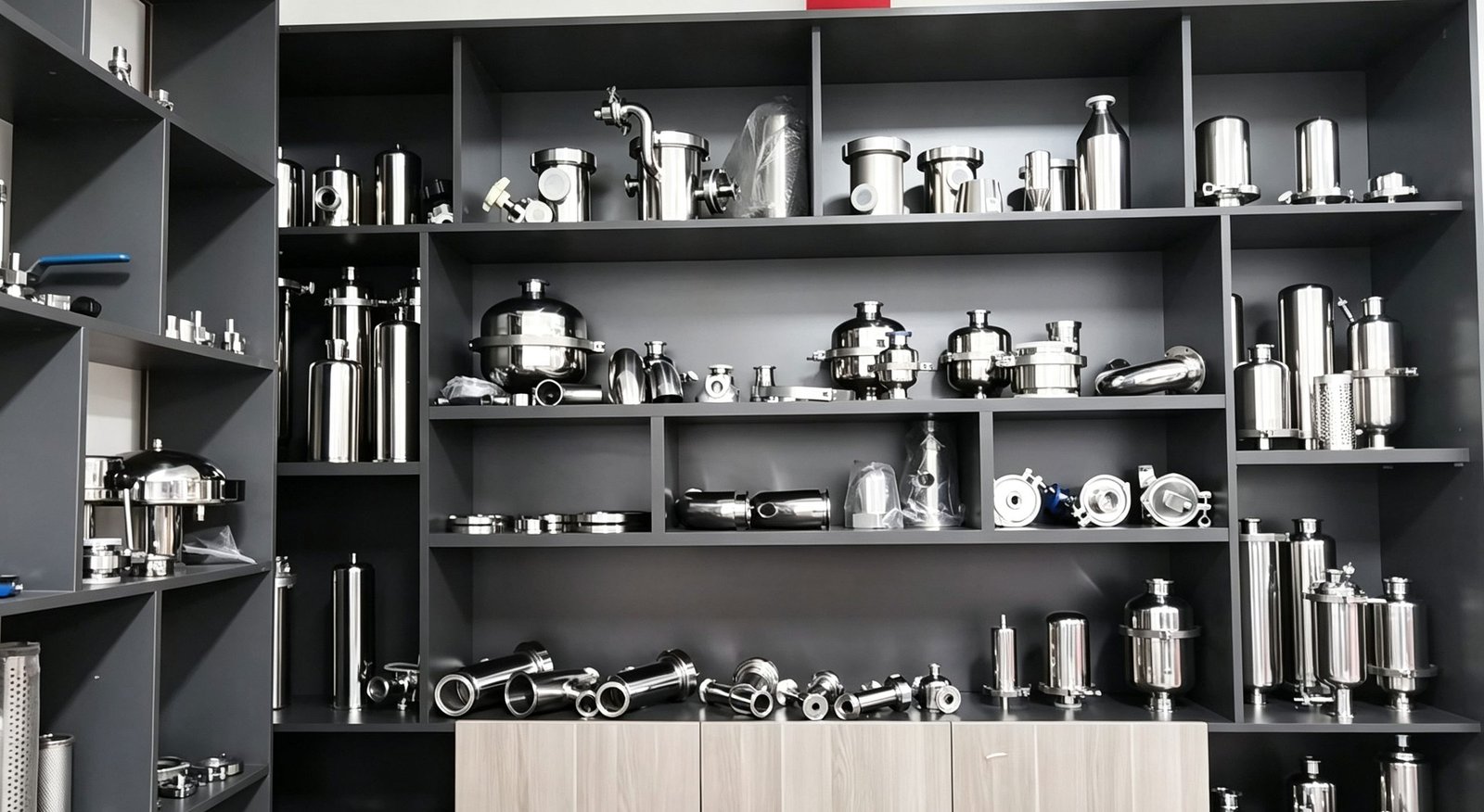
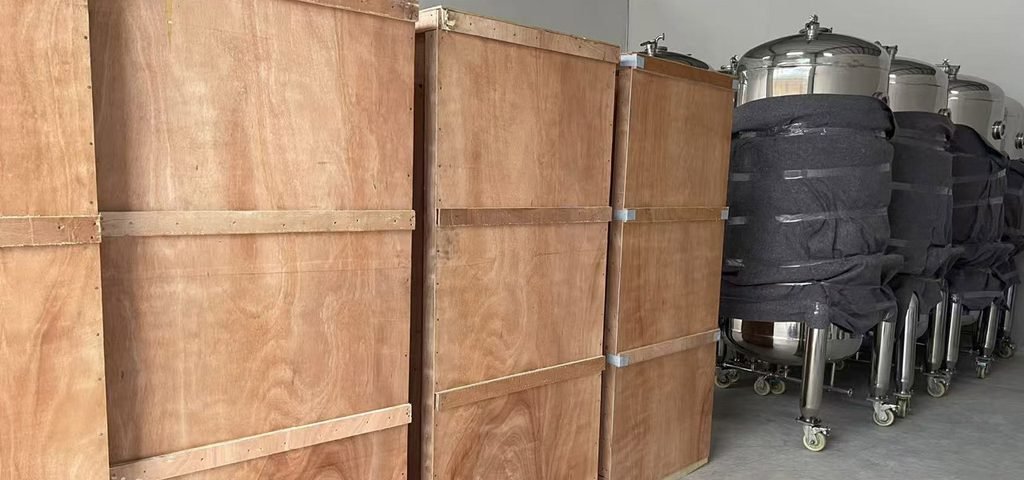
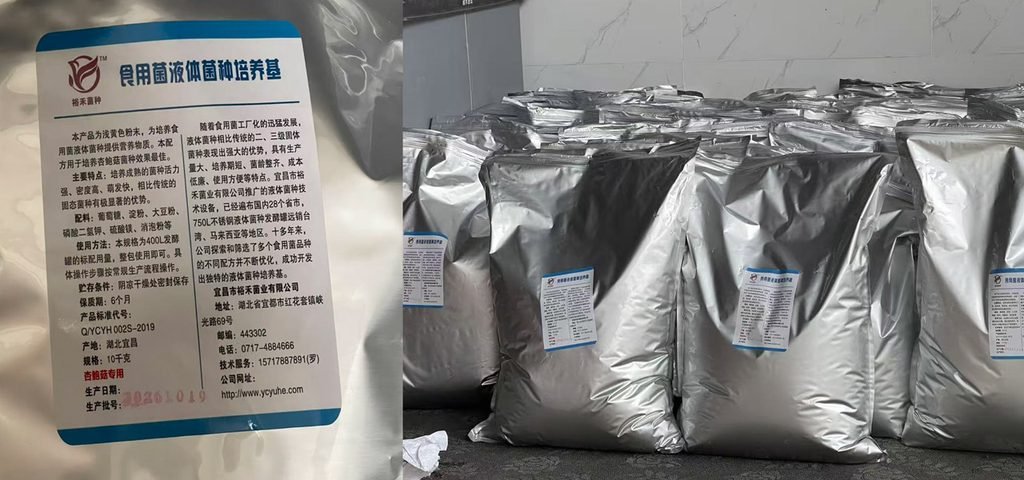
The photos in this project record show equipment and related materials being prepared for an international customer. They include stainless steel equipment, export packing crates, sanitary components, and culture medium labeled for king oyster mushroom liquid spawn cultivation.
These details offer a practical look at an important stage of equipment supply: bringing the different parts of a project together before delivery.
Culture Medium and Mushroom Strain Requirements
A liquid culture system must be planned around the customer’s intended mushroom species and production requirements. Different strains may have different culture requirements, so these details should be confirmed before the project specifications are finalized.
In the project materials shown here, a package is labeled in Chinese as culture medium for king oyster mushroom liquid spawn. This illustrates why the intended application needs to be clear from the beginning.
The label alone does not establish the medium’s full formulation, sterilization conditions, or cultivation parameters. Those details must be confirmed through the actual project specifications and cultivation requirements.
For equipment suppliers and project teams, the practical lesson is straightforward: confirm the mushroom species, strain, culture medium requirements, and intended production scale before finalizing the equipment configuration.
Coordinating Stainless Steel Equipment as a Complete System
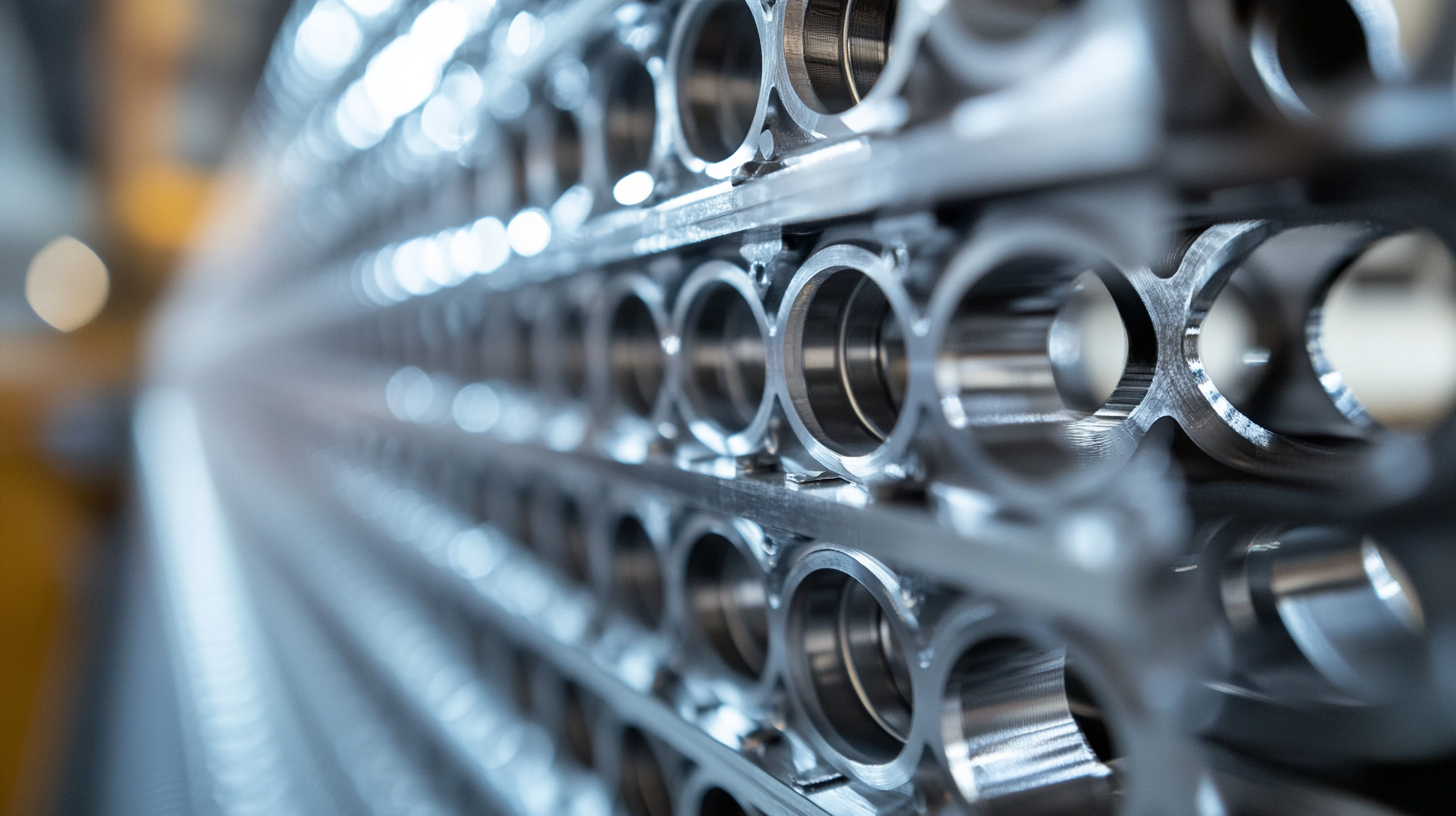
A liquid mushroom spawn production line is a coordinated system rather than a collection of independent machines.
The equipment configuration should reflect the customer’s production objectives, available facilities, operating procedures, and required level of automation. Depending on the project, planning may involve fermentation equipment, supporting process equipment, piping, and the connections required to integrate the system.
Stainless steel equipment is only one part of the overall arrangement. The connections between equipment and the compatibility of individual components also need attention.
For this reason, project preparation should include a review of equipment specifications and interfaces before packing begins. Confirming these details in advance can help reduce avoidable questions during installation and commissioning at the destination.
For an overview of how equipment and production stages fit together, see our Liquid Mushroom Spawn Production System.
Checking Sanitary Components and Connection Details
A separate part of the preparation process is coordinating the smaller components that connect the equipment.
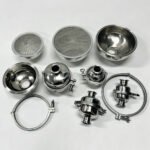
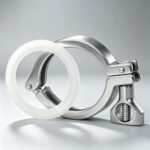
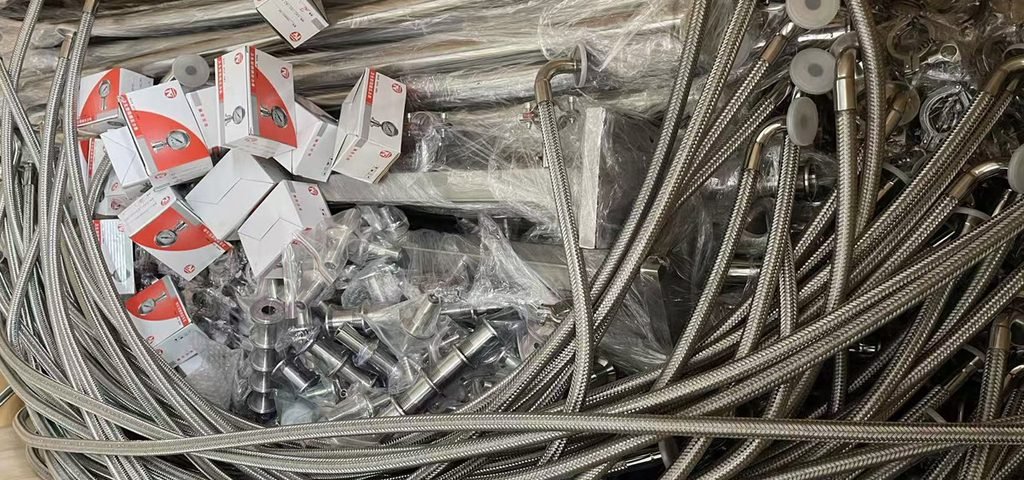
The project packing materials shown here include sanitary hoses, fittings, clamps, gaskets, and pressure gauges. These components may appear small compared with a fermentation tank, but their specifications can affect how the supplied equipment is connected and installed.
Before shipment, the relevant details should be checked against the approved project requirements. Depending on the component, these may include:
- Connection type and nominal size
- Compatibility with the mating equipment
- Required quantity and specification
- Gasket material and other application-specific requirements
- Pressure or temperature ratings where applicable
These checks should be based on the actual equipment drawings, component specifications, and operating conditions rather than appearance alone.
A connection that looks similar may still have a different size or interface. Confirming specifications before dispatch is therefore an important part of preparing a coordinated equipment package.
Our article on sanitary components in a liquid mushroom spawn fermentation system explains how individual components fit into a larger process system.
Preparing Equipment for Overseas Delivery
Equipment preparation does not end when the individual items are ready. For an overseas project, packing and shipment coordination are also important.
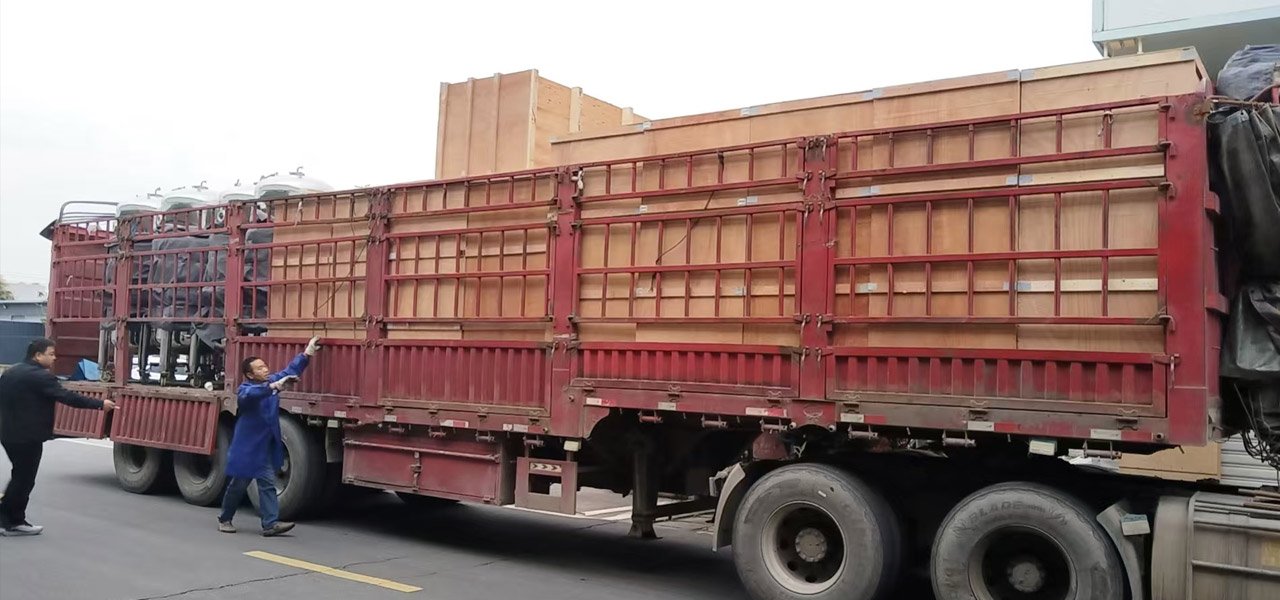
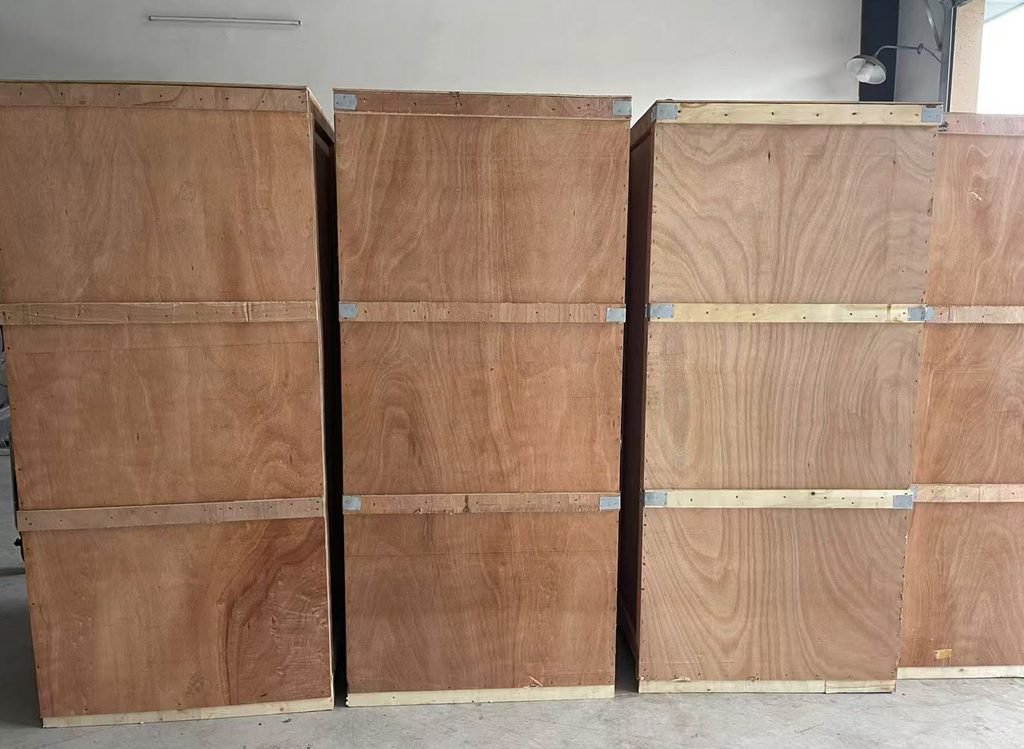
The project photos show large wooden export crates and stainless steel equipment prepared for packing. Separate packing materials also contain smaller sanitary components and accessories.
For a project of this kind, the packing plan should account for the size and weight of the equipment, protection of exposed surfaces, and the organization of smaller parts. Components should be packed in a way that helps protect them during handling and transport.
A practical pre-shipment review may include checking the following:
- Equipment and accessory quantities against the packing list
- Product identification and relevant specifications
- Protection of stainless steel surfaces and connection ends
- Secure positioning of equipment inside the crates
- Organization of smaller parts to make identification easier at the destination
- Shipment documents and other requirements agreed with the customer
The exact packing method depends on the equipment, transport arrangements, and destination requirements. These details should be confirmed for each project rather than assumed to be identical across all shipments.
Clear packing records also help the customer identify the supplied equipment and accessories when preparing for receipt and installation.
Project Coordination Beyond Individual Products
Supplying individual components and coordinating a complete production line involve different levels of preparation.
For component supply, the main focus is on product specifications, connection compatibility, quality requirements, and quantities. For a complete system, these considerations must also be coordinated with the wider equipment arrangement and the customer’s production objectives.
Haoqintech combines practical experience with liquid mushroom spawn production projects and long-term manufacturing partnerships in Wenzhou, China. We work with manufacturing partners to coordinate product specifications, quality requirements, and supply for sanitary stainless steel components and related process equipment.
Our project experience helps us consider how equipment and components work together, rather than treating each item as an isolated purchase.
Discuss Your Liquid Mushroom Spawn Production Project
Planning a liquid mushroom spawn production line starts with understanding the intended mushroom species, production capacity, process requirements, and site conditions. Equipment configuration, component specifications, and shipment preparation can then be coordinated around the project.
If you are planning a new liquid culture facility or upgrading an existing production setup, share your target production capacity, mushroom species, and automation requirements with our team.
Haoqintech can discuss the equipment and component requirements with you and help identify the information needed for project planning.
Contact Haoqintech to discuss your liquid mushroom spawn production project.