
In food, beverage, pharmaceutical, fermentation, and other hygienic processing industries, filtration is an important part of maintaining process cleanliness and protecting downstream equipment.
Process fluids and gases can contain unwanted particles, suspended solids, or other contaminants introduced during storage, transfer, or processing. If these materials are not properly controlled, they may affect product quality, increase equipment maintenance, or cause unexpected process interruptions.
This is where sanitary stainless steel cartridge filters can play an important role.
But what exactly does a sanitary cartridge filter do, and where is it typically used?
What Is a Sanitary Stainless Steel Cartridge Filter?
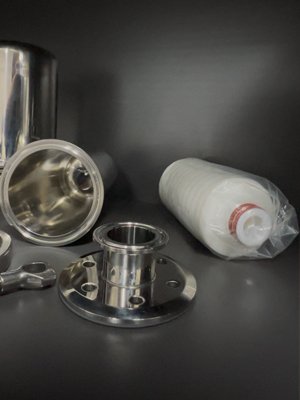
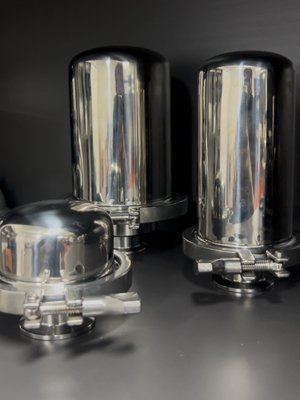
A sanitary stainless steel cartridge filter is a filtration assembly designed for hygienic process systems.
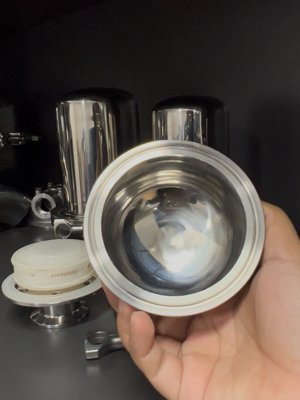
It generally consists of a stainless steel filter housing and a replaceable filter element or cartridge. Depending on the application, the filter element can be selected for different filtration requirements.
Stainless steel construction is widely used in hygienic processing because it offers good corrosion resistance, durability, cleanability, and compatibility with sanitary process connections.
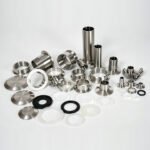
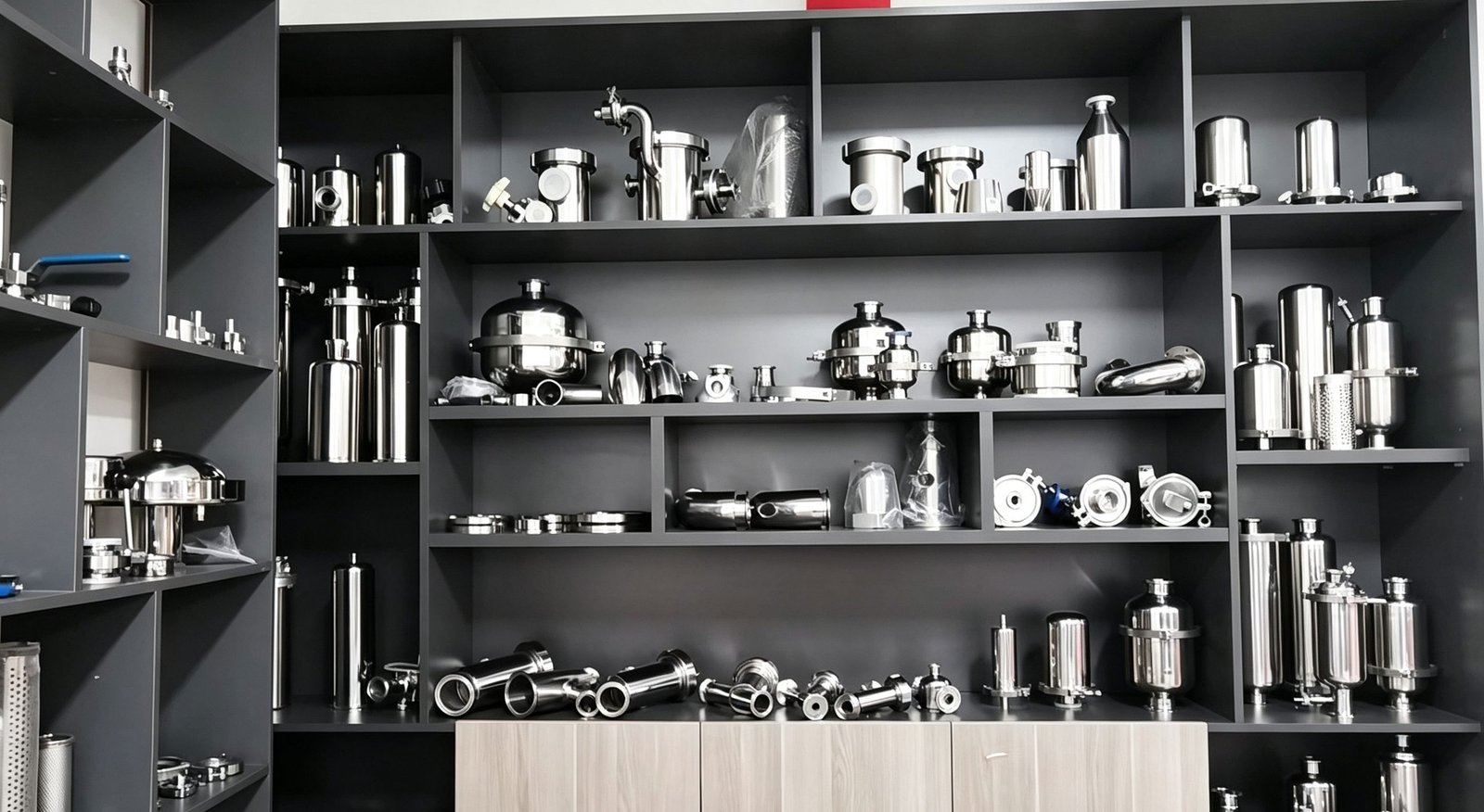
For example, Haoqintech supplies sanitary stainless steel filtration components for food, beverage, dairy, pharmaceutical, fermentation, and other process applications. Its product range includes stainless steel filter housings and inline filtration solutions.
Why Is Filtration Important in Hygienic Processing?
Even when a process fluid looks clean, it may still contain particles or suspended materials that are not easily visible.
Potential sources include:
- Rust or scale from upstream equipment
- Welding residue or installation debris
- Sediment and suspended particles
- Fibers or other foreign materials
- Particles introduced during transfer or storage
Depending on the process, filtration may also be used as part of a broader strategy for controlling microbial or particulate contamination.
However, filtration should not be viewed as a universal solution for every contamination risk. The appropriate filter type, filtration rating, operating conditions, and validation procedure depend on the specific process.
What Does a Sanitary Cartridge Filter Actually Do?
The role of a sanitary cartridge filter can vary depending on where it is installed.
1. Remove or Reduce Unwanted Particles
The primary function of a filter is to retain particles according to the characteristics of the selected filter element.
Different processes require different filtration levels. A coarse filter may be suitable for larger particles, while a finer filter may be selected when smaller particles need to be controlled.
Therefore, choosing a filter should always begin with understanding the actual process requirement rather than simply selecting the finest available filtration rating.
2. Protect Downstream Equipment
Filtration can also protect equipment installed downstream.
Particles entering pumps, valves, filling equipment, heat exchangers, spray nozzles, or other process components may contribute to clogging, wear, or maintenance problems.
Installing an appropriate filter upstream can help reduce the amount of unwanted material reaching these components.
3. Support Consistent Process Conditions
In many processing systems, controlling particles is part of maintaining stable operating conditions.
For example, filtration may be used on process liquids before transfer, filling, or another critical processing step.
A properly selected filter can help reduce unwanted particles while allowing the process fluid to continue flowing through the system.
4. Make Maintenance More Practical
Sanitary filter designs often allow the filter element to be inspected, cleaned, or replaced without replacing the entire housing.
This can make routine maintenance more manageable.
For example, Haoqintech’s 304 stainless steel Tri-Clamp inline filter uses a removable stainless steel mesh screen and a quick-connect sanitary clamp design, allowing the filter assembly to be opened for cleaning and maintenance.
Where Are Sanitary Cartridge Filters Commonly Used?
Sanitary filtration can be found in many different areas of hygienic processing.
Food and Beverage Processing
Filters may be used to remove unwanted particles from process liquids, ingredients, or other fluids.
Applications can include:
- Beverage processing
- Dairy processing
- Food ingredient filtration
- Brewing
- Liquid transfer systems
The exact filtration method depends on the product and process requirements.
Pharmaceutical and High-Purity Processing
Pharmaceutical and high-purity applications often place greater emphasis on material selection, cleanability, filtration performance, and process control.
Filtration may be used for process liquids, gases, or other utilities depending on the system design.
For these applications, the filter should be selected according to the required filtration performance and applicable process or validation requirements.
Fermentation Systems
Filtration is particularly important in fermentation and liquid culture systems.
A fermentation system may include filtration or air-treatment components associated with:
- Air supply
- Tank breathing
- Process liquid transfer
- Downstream protection
- Gas or liquid filtration
Haoqintech’s experience with liquid culture and fermentation systems has also influenced its sanitary component range, including filters, fittings, valves, and breathing equipment.
Process Piping Systems
Filters and strainers can also be installed directly in process pipelines to protect downstream equipment and help control particles within the system.
The correct installation point depends on the process flow and the purpose of the filtration stage.
Cartridge Filter vs. Simple Strainer
It is important to understand that not every filtration application requires a cartridge filter.
A simple sanitary strainer may be suitable when the primary goal is to remove larger particles and provide straightforward screen cleaning.
For example, a sanitary Y-strainer uses a removable mesh screen and is designed for particle removal in hygienic process pipelines.
A cartridge filter, on the other hand, may be selected when the process requires a different filtration method or finer particle control.
The choice depends on:
- Particle size
- Required filtration level
- Fluid characteristics
- Flow rate
- Pressure drop
- Temperature
- Cleaning requirements
- Maintenance frequency
- Available installation space
In other words, a finer filter is not automatically a better filter. The filtration solution should match the actual process.
What Should You Consider When Choosing a Sanitary Filter?
Before purchasing a sanitary stainless steel filter, consider the following factors.
1. Filter Type
Determine whether the application requires:
- Cartridge filtration
- Mesh filtration
- Y-straining
- Air filtration
- Liquid filtration
- Another specialized filtration method
2. Filtration Rating
The required filtration rating should be based on the particles that need to be controlled and the requirements of the process.
Avoid selecting a filtration rating simply because it is the smallest number available.
3. Flow Rate
The filter must be suitable for the required process flow.
An undersized filter can create unnecessary pressure drop or require frequent maintenance.
4. Material
304 stainless steel is widely used for many food, beverage, and general hygienic applications.
316L stainless steel may be preferred where greater corrosion resistance is required, depending on the process fluid and operating environment.
5. Connection Type
The filter should match the existing piping system.
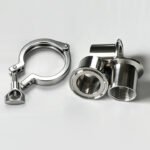
Sanitary Tri-Clamp connections are commonly used where quick assembly, disassembly, and hygienic connections are important.
6. Cleaning and Maintenance
Consider how frequently the filter will need to be opened, inspected, cleaned, or replaced.
A design that makes routine maintenance easier can help reduce unnecessary downtime.
7. Operating Conditions
Always check the actual:
- Operating pressure
- Temperature
- Fluid characteristics
- Chemical compatibility
- Cleaning method
- Installation orientation
The filter should be selected according to the manufacturer’s technical specifications and the requirements of the complete process system.
Why Stainless Steel Matters
The filter housing is an important part of a hygienic filtration system.
Stainless steel provides a durable material for process equipment and can be manufactured with smooth surfaces and sanitary connections.
However, material alone does not determine whether a filtration system is hygienically suitable.
The overall design also matters, including:
- Surface finish
- Weld quality
- Internal geometry
- Drainability
- Gasket selection
- Connection design
- Filter element compatibility
- Cleaning procedure
This is why sanitary filtration should be considered as part of the complete process system rather than as an isolated component.
How Haoqintech Approaches Sanitary Filtration
Haoqintech’s product range includes sanitary filters, Tri-Clamp fittings, valves, tank-cleaning equipment, breathers, and other stainless steel process components. The company also draws on practical experience from complete fermentation and liquid culture projects.
This system-level experience is useful when selecting filtration components because the correct filter depends on more than the filter itself.
Flow direction, pipe size, connection type, fluid characteristics, pressure, temperature, cleaning requirements, and downstream equipment all need to be considered together.
For customers who already have drawings or specifications, Haoqintech can review the application and recommend a suitable configuration based on the project requirements.
Final Thoughts
A sanitary stainless steel cartridge filter is more than a simple component for removing particles.
When properly selected and installed, filtration can help:
- Control unwanted particles
- Protect downstream equipment
- Support consistent process conditions
- Improve maintenance efficiency
- Support hygienic processing requirements
The most important point is that the right filter depends on the process.
Before selecting a sanitary filter, consider the fluid, particle size, required filtration level, flow rate, pressure, temperature, materials, connections, cleaning method, and maintenance requirements.
For food, beverage, pharmaceutical, fermentation, and liquid culture systems, a properly designed filtration solution can become an important part of a reliable hygienic process line.