Filtration is an important part of many food, beverage, dairy, fermentation, and other hygienic processing systems.
However, simply installing a filter does not automatically solve every filtration problem. The filter must be correctly selected, installed, cleaned, and maintained according to the process requirements.
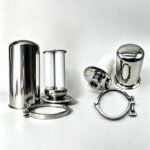
In many process lines, a 304 stainless steel sanitary Tri-Clamp filter can provide a practical solution for controlling unwanted particles while maintaining a hygienic and easy-to-maintain connection.
Common Filtration Problems in Hygienic Process Systems
1. Unwanted Particles in the Process Line
Particles can enter a process system from different sources, including upstream equipment, piping, storage vessels, installation work, or the process fluid itself.
Depending on the application, these particles may affect product quality or reach downstream equipment.
A suitable filter or strainer can help retain particles before they move further through the process line.
2. Clogging of Downstream Components
Particles can accumulate in valves, pumps, nozzles, filling equipment, or other components.
This may restrict flow and increase maintenance requirements.
Installing an appropriate filter upstream can help protect downstream components from unwanted particles.
3. Difficult Filter Cleaning
A filter that is difficult to open or remove can make routine maintenance inconvenient.
This is particularly important in hygienic processing, where equipment may need to be inspected and cleaned regularly.
A sanitary Tri-Clamp connection allows the filter assembly to be disconnected relatively quickly compared with some permanently fixed connection designs.
4. Poor Compatibility With Hygienic Piping
A filtration component should fit properly into the existing process piping system.
Incorrect connections, unsuitable gaskets, or poorly matched pipe sizes can create installation and maintenance problems.
Tri-Clamp connections are widely used in sanitary process piping because they provide a convenient clamp-based connection that can be disassembled when required.
5. Choosing the Wrong Filtration Level
A common mistake is assuming that a finer filter is always better.
A filtration element that is too fine for the application may increase pressure drop or require more frequent cleaning.
On the other hand, a filter that is too coarse may not provide the required particle control.
The correct filtration level should therefore be determined by the actual process requirements.
How Does a 304 Stainless Steel Sanitary Tri-Clamp Filter Help?
A 304 stainless steel sanitary Tri-Clamp filter combines three important features:
- Stainless steel construction
- A filtration element
- A sanitary Tri-Clamp connection
Together, these features make it suitable for many hygienic process applications.
304 Stainless Steel Construction
304 stainless steel is widely used for food, beverage, dairy, and general hygienic processing equipment.
It provides good corrosion resistance, durability, and a suitable material platform for sanitary process components.
However, material selection should always consider the actual fluid, cleaning chemicals, temperature, and operating environment.
Where greater corrosion resistance is required, 316L stainless steel may be more appropriate.
Removable Filter Element
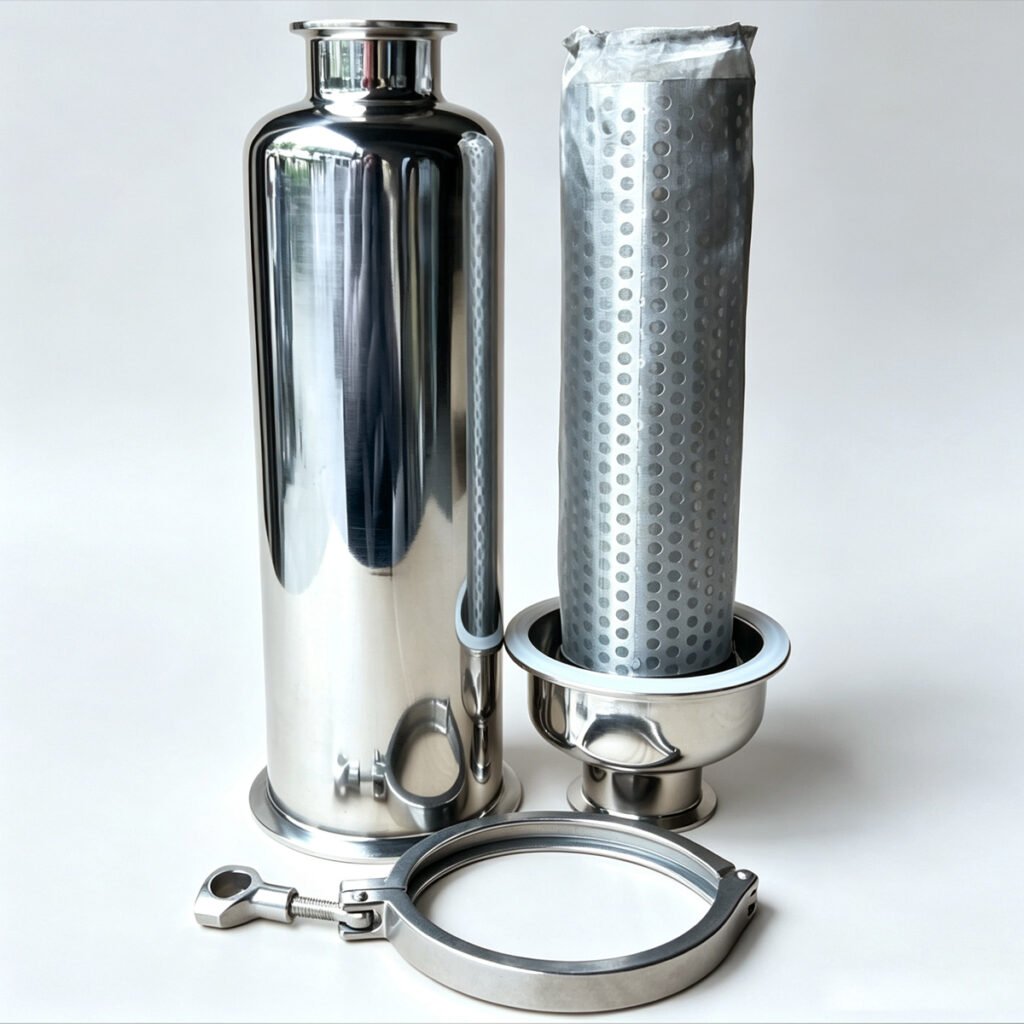
Many sanitary inline filters use a removable screen or filter element.
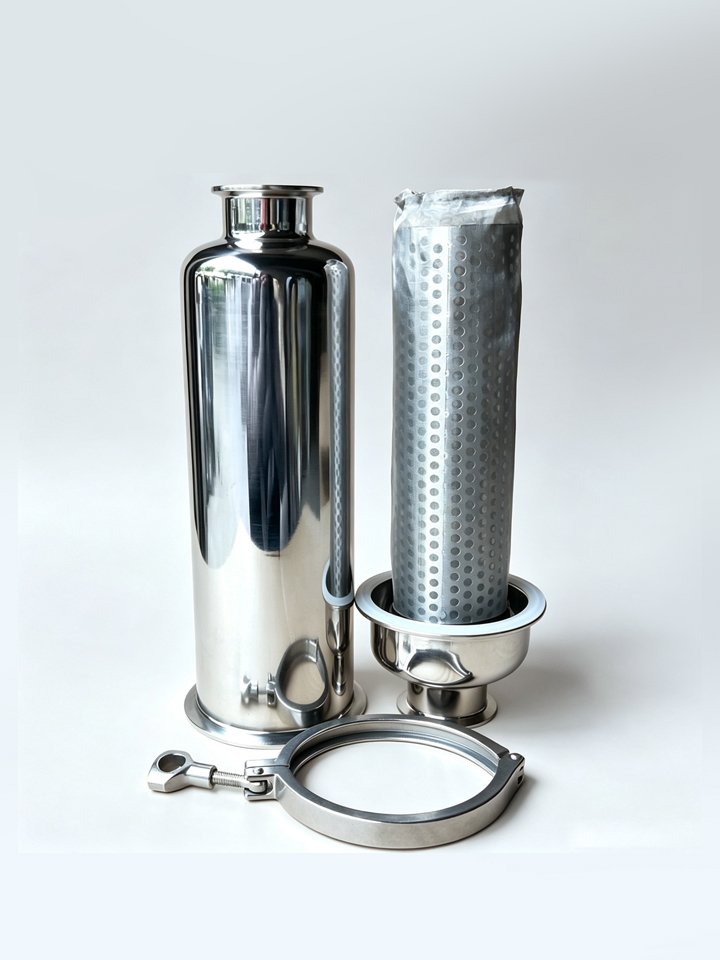
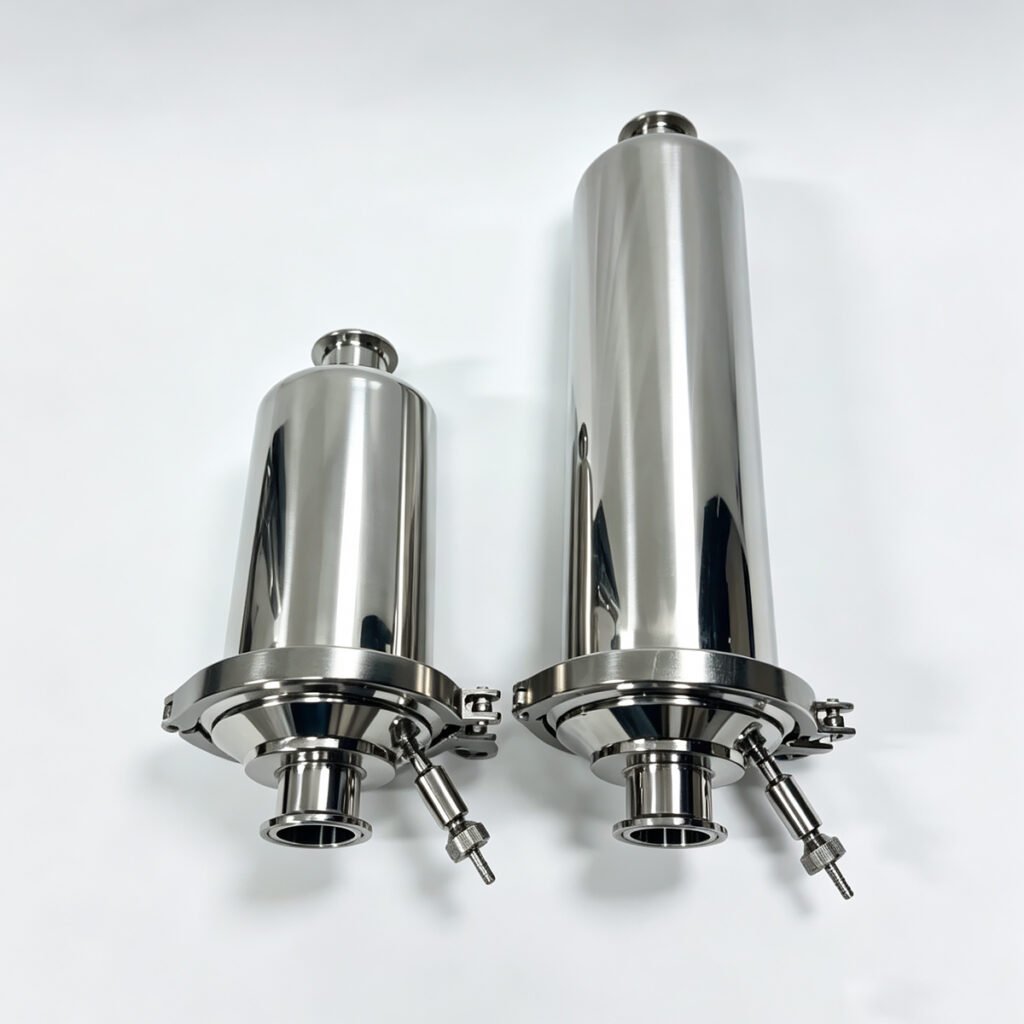
For example, Haoqintech’s 304 stainless steel Tri-Clamp inline filter uses a removable stainless steel mesh screen. This allows the filter to be opened for inspection and cleaning.
The appropriate mesh size should be selected according to the particles that need to be controlled and the required flow conditions.
Tri-Clamp Connection
The Tri-Clamp design provides a simple connection method for sanitary piping.
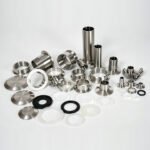
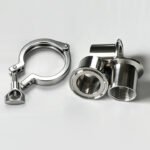
The clamp, ferrules, and gasket work together to create the connection.
Because the connection can be disassembled, it can also make inspection, cleaning, and component replacement more convenient.
Where Can a Sanitary Tri-Clamp Filter Be Used?
A 304 stainless steel sanitary inline filter may be considered for applications such as:
Food and Beverage Processing
Filters can help control unwanted particles in process liquid lines.
Typical applications may include beverage processing, dairy systems, food ingredients, brewing, and liquid transfer.
Fermentation and Liquid Culture Systems
Filtration can be used at different points in fermentation or liquid culture systems.
Depending on the system design, filtration components may be associated with process liquid transfer, air supply, or downstream equipment protection.
The filter type and filtration rating should be selected according to the specific process.
Water and Utility Lines
Sanitary filters and strainers can also be used in water or utility lines where particle control is required.
The material, filtration level, and connection should match the fluid and operating conditions.
Equipment Protection
A filter can be installed upstream of sensitive equipment to help reduce the amount of unwanted material entering pumps, valves, nozzles, or other downstream components.
Filter vs. Strainer: What Is the Difference?
The terms “filter” and “strainer” are sometimes used interchangeably, but they can describe different filtration functions.
A strainer commonly uses a relatively coarse mesh to remove larger particles and protect equipment.
A filter may be designed for finer particle control depending on the selected filter element.
For example, a sanitary Y-strainer may be appropriate for protecting a process line from larger particles, while an inline filter may be selected when a different or finer level of filtration is required.
The right choice depends on the process rather than the product name alone.
What Should You Check Before Buying a Sanitary Tri-Clamp Filter?
Before selecting a filter, consider these factors:
1. Pipe Size
Make sure the filter connection matches the process piping.
2. Filter Element or Mesh Size
Select the filtration level based on the particle size and process requirement.
3. Flow Rate
Check whether the filter can handle the required process flow without creating excessive pressure drop.
4. Material
304 stainless steel is suitable for many general hygienic applications.
316L may be considered for more demanding corrosion environments.
5. Operating Temperature and Pressure
Always confirm that the filter assembly and its components are suitable for the actual operating conditions.
6. Gasket Material
The gasket must be compatible with the process fluid, temperature, cleaning chemicals, and operating conditions.
7. Cleaning and Maintenance
Consider how often the filter needs to be opened, inspected, cleaned, or replaced.
A practical design can make routine maintenance easier and reduce unnecessary downtime.
Why Proper Installation Matters
Even a high-quality filter may perform poorly if it is installed incorrectly.
Before installation, check:
- Flow direction
- Connection size
- Gasket position
- Clamp installation
- Filter element condition
- Available space for maintenance
- Drainability and installation orientation
The filter should also be inspected and maintained according to the manufacturer’s instructions and the requirements of the process.
Why Choose Haoqintech Sanitary Filters?
Haoqintech supplies sanitary stainless steel filtration components for hygienic process applications.
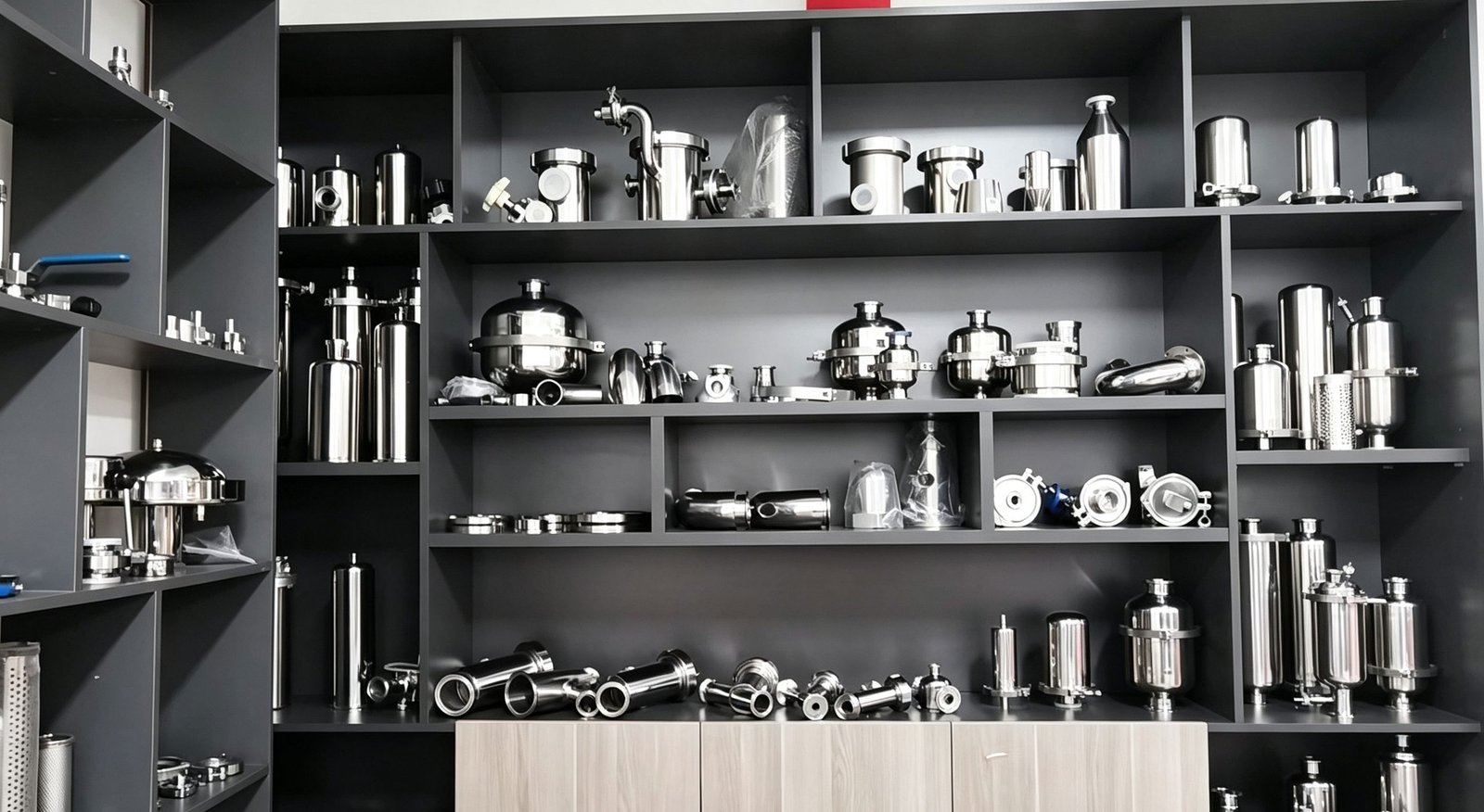
Its product range includes sanitary inline filters, Y-strainers, Tri-Clamp fittings, valves, tank-cleaning components, and other stainless steel process equipment.
The company’s practical experience with fermentation and liquid culture systems also provides a system-level perspective when selecting sanitary components.
Instead of looking at a filter as an isolated component, the selection can be considered together with the piping, valves, equipment, flow requirements, cleaning method, and downstream process.
Final Thoughts
Common filtration problems in hygienic processing are not always caused by the absence of a filter.
They can also result from:
- Incorrect filtration levels
- Improper sizing
- Difficult maintenance
- Poor connection compatibility
- Unsuitable materials
- Incorrect installation
A 304 stainless steel sanitary Tri-Clamp filter can be a practical option for many hygienic process lines where particle control, sanitary connections, and convenient maintenance are important.
The key is to select the filter according to the actual process requirements rather than simply choosing the finest or largest filter available.