In some food, beverage, fermentation, chemical, and other process environments, flammable gases or vapors may be present.
When a flammable atmosphere exists, ignition can potentially result in flame propagation through connected piping or equipment. This makes appropriate protection of vents, gas lines, and process equipment an important part of system design.
A sanitary Tri-Clamp flame arrester can be used in certain applications to help prevent flame propagation through a process connection.
But what exactly does a flame arrester do, and where can it be used?
What Is a Flame Arrester?
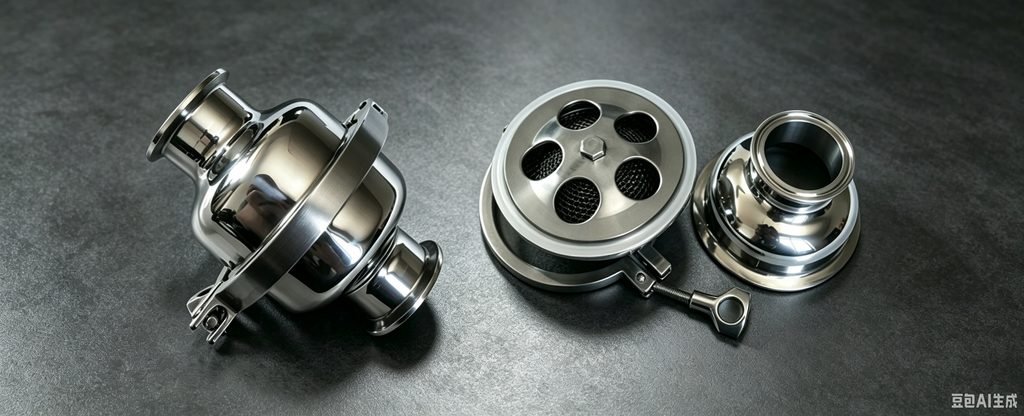
A flame arrester is a safety device designed to stop or reduce the propagation of flames through a pipeline or gas passage under specified conditions.
It typically contains a flame-arresting element with narrow passages. When a flame attempts to travel through the device, heat is transferred away from the flame front, helping prevent continued flame propagation under the conditions for which the arrester is designed.
A sanitary flame arrester combines this protective function with a hygienic process connection, such as a Tri-Clamp connection.
The exact design and performance depend on the specific flame arrester, gas composition, operating conditions, and applicable standards.
Why Can Flame Flashback Be a Risk?
In a process system containing flammable gases or vapors, ignition can occur under the right combination of fuel, oxygen, and an ignition source.
If the resulting flame can travel through connected piping, it may reach another part of the system.
This is sometimes described as flame flashback or flame propagation.
Potentially relevant areas can include:
- Gas lines
- Tank vents
- Fermentation systems
- Storage vessels
- Solvent-containing process equipment
- Flammable vapor handling systems
Not every hygienic process presents a flammable atmosphere. The need for a flame arrester therefore depends on the actual process and risk assessment.
How Does a Flame Arrester Work?
The flame-arresting element is designed with passages that are small enough to interrupt flame propagation under specified conditions.
When a flame reaches the element, heat is transferred to the metal structure.
This reduces the temperature of the flame front and can prevent the flame from continuing through the device.
However, flame arresters are not universal protection devices.
Their performance depends on factors such as:
- Gas or vapor composition
- Gas concentration
- Pressure
- Temperature
- Flow conditions
- Flame speed
- Installation configuration
- Device design
For this reason, the flame arrester must be selected for the specific application.
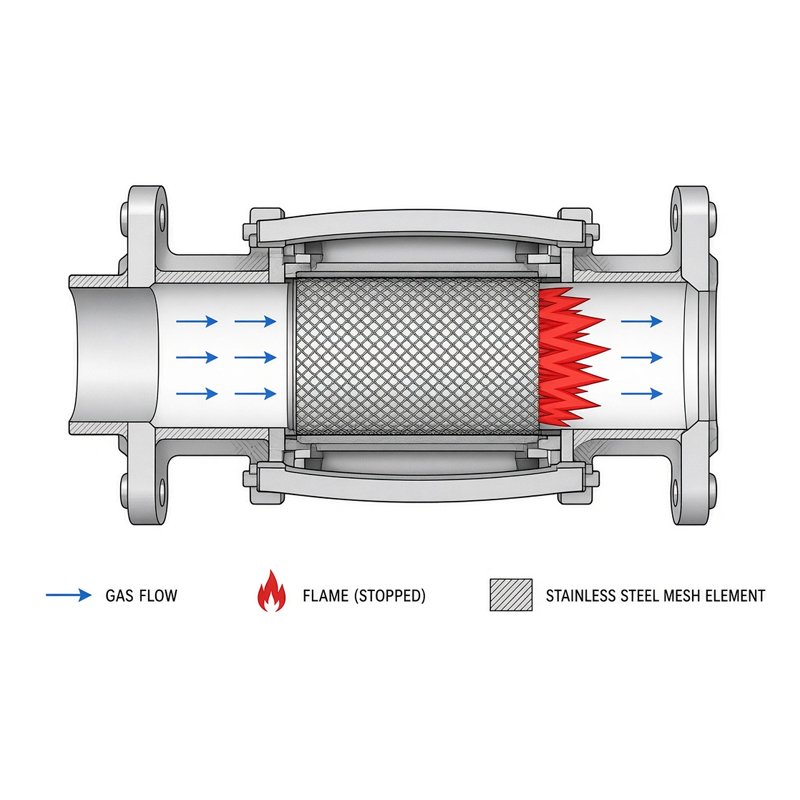
What Is a Sanitary Tri-Clamp Flame Arrester?
A sanitary Tri-Clamp flame arrester is designed to integrate flame-arresting protection into a hygienic process connection.
Tri-Clamp connections can be useful in process systems where equipment needs to be disconnected for inspection, cleaning, or maintenance.
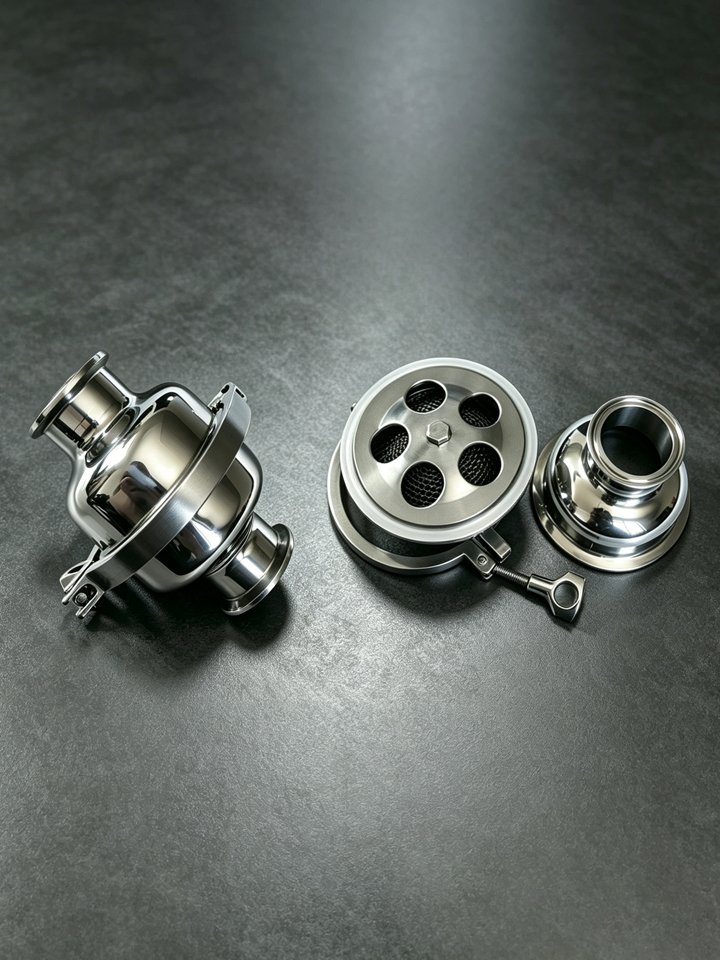
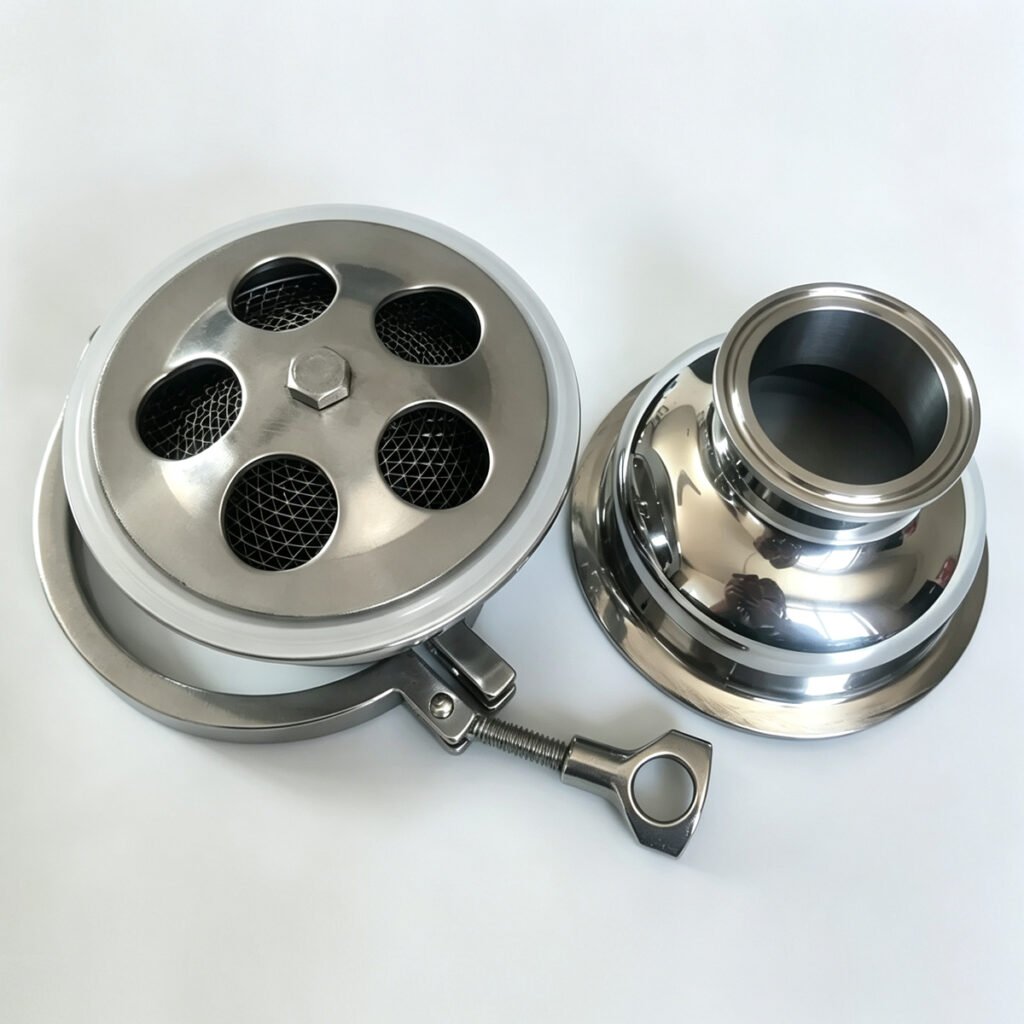
A typical sanitary flame arrester may include:
- Stainless steel housing
- Flame-arresting element
- Sanitary Tri-Clamp connections
- Gaskets
- Clamps
The actual construction varies between products.
Material, connection size, pressure rating, temperature rating, and flame-arresting performance should always be confirmed from the manufacturer’s technical documentation.
Where Might a Sanitary Flame Arrester Be Used?
The application depends strongly on the process risk.
Fermentation and Bioprocess Systems
Fermentation systems may generate gases during biological processes.
Most fermentation gases are not automatically a flame hazard, but certain processes or process environments may involve combustible gases or vapors.
Where a flammable atmosphere is identified, suitable vent protection may need to be considered as part of the overall safety design.
Tank Vent Lines
A flame arrester may be installed on an appropriate tank vent or gas outlet when the process requires protection against flame propagation.
The installation must be designed according to the specific tank, gas composition, operating conditions, and safety requirements.
Flammable Vapor Systems
Processes involving flammable liquids or vapors may require specialized explosion and flame protection.
In such systems, a flame arrester can be one component of a broader safety strategy.
The complete system may also require pressure protection, ventilation, gas detection, ignition-source control, and other safety measures.
Flame Arrester vs. Pressure Relief Device
A flame arrester and a pressure relief device perform different functions.
A flame arrester is intended to address flame propagation.
A pressure relief device is designed to protect equipment against excessive pressure.
These functions should not be confused.
Depending on the process, both types of protection may be required.
A flame arrester should therefore never be treated as a substitute for properly designed pressure relief or other required safety systems.
What Should You Consider When Selecting a Flame Arrester?
Choosing a flame arrester requires more information than simply selecting a pipe size.
1. Gas or Vapor Composition
The gas or vapor being handled is one of the most important factors.
Different gases can have different combustion characteristics and flame speeds.
2. Operating Pressure
The arrester must be suitable for the system’s operating and potential pressure conditions.
3. Operating Temperature
Temperature affects both the process and the performance requirements of the flame-arresting device.
4. Flame Characteristics
The device should be appropriate for the expected flame conditions and installation configuration.
5. Connection Size
The Tri-Clamp connection must match the process piping or equipment connection.
6. Material Compatibility
The stainless steel grade and other materials should be compatible with the process environment.
304 stainless steel may be suitable for many general hygienic applications, while 316L may be considered where greater corrosion resistance is required.
7. Pressure Drop
Any device installed in a process gas line can affect flow resistance.
The pressure drop should therefore be considered as part of the overall system design.
8. Applicable Standards and Certification
Safety-critical equipment should be selected according to the applicable regulations, standards, certifications, and site requirements.
For hazardous or potentially explosive environments, qualified engineering and safety professionals should verify the suitability of the selected device.
Installation and Maintenance
Correct installation is essential for any flame-arresting device.
Before installation, confirm:
- Correct flow direction
- Correct connection size
- Correct gasket and sealing arrangement
- Suitable installation location
- Operating temperature and pressure
- Accessibility for inspection and maintenance
The flame-arresting element should also be inspected according to the manufacturer’s maintenance requirements.
If deposits or contamination accumulate on the element, flow resistance may increase and the device may not perform as intended.
Maintenance intervals should therefore be established based on the process conditions and manufacturer’s recommendations.
Why Stainless Steel Is Used
Stainless steel is widely used in hygienic process equipment because of its corrosion resistance, durability, and cleanable surface characteristics.
For sanitary applications, however, the overall design is just as important as the material.
Factors such as:
- Surface finish
- Weld quality
- Internal geometry
- Gasket selection
- Drainability
- Connection design
can all affect the suitability of a component for a hygienic process system.
Haoqintech Sanitary Flame-Arrester Solutions
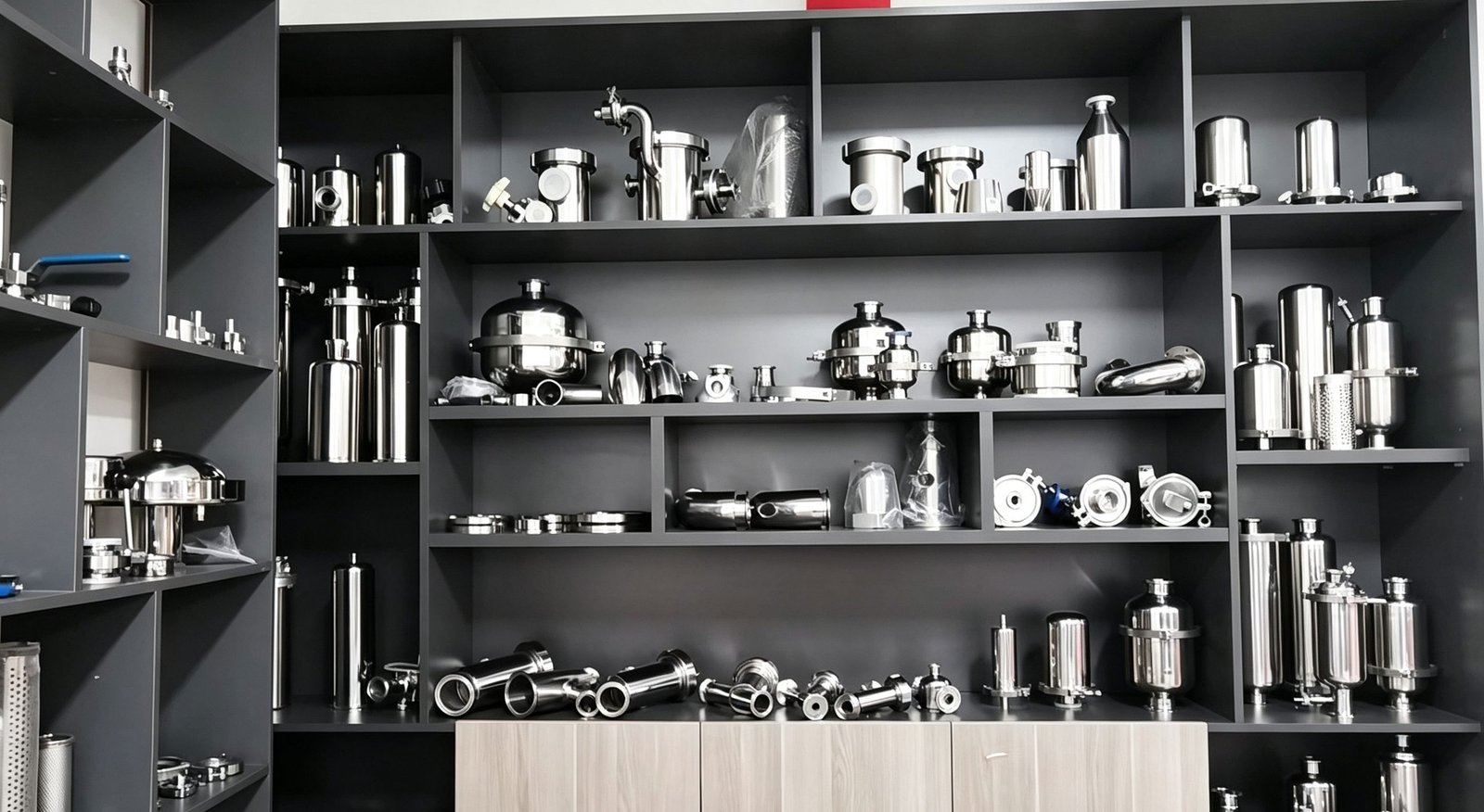
Haoqintech focuses on sanitary stainless steel components and fluid-handling equipment for food, beverage, fermentation, and other process applications.
Its product range includes sanitary fittings, valves, filters, strainers, tank-cleaning components, breathing and safety-related components, and custom stainless steel solutions.
For safety-related components such as flame arresters, the correct specification depends heavily on the actual process conditions.
Customers should provide information such as the gas or vapor handled, operating pressure, temperature, connection size, and intended installation location so that the appropriate configuration can be evaluated.
Final Thoughts
A sanitary Tri-Clamp flame arrester can be an important component in process systems where flame propagation is a potential hazard.
Its purpose is different from that of a filter, strainer, or pressure relief device.
The correct solution depends on the actual gas or vapor, operating conditions, installation configuration, and applicable safety requirements.
For any system involving potentially flammable atmospheres, flame protection should be considered as part of the complete process safety design rather than as an isolated component.
Proper selection, installation, inspection, and maintenance are essential to ensure that the device is appropriate for its intended application.